Hezbollah shifts to fibre-optic drones to bypass Israeli defences
The Lebanese armed group has deployed small first-person view drones controlled by fibre-optic cables, rendering traditional interception methods ineffective and causing casualties among IDF personnel.
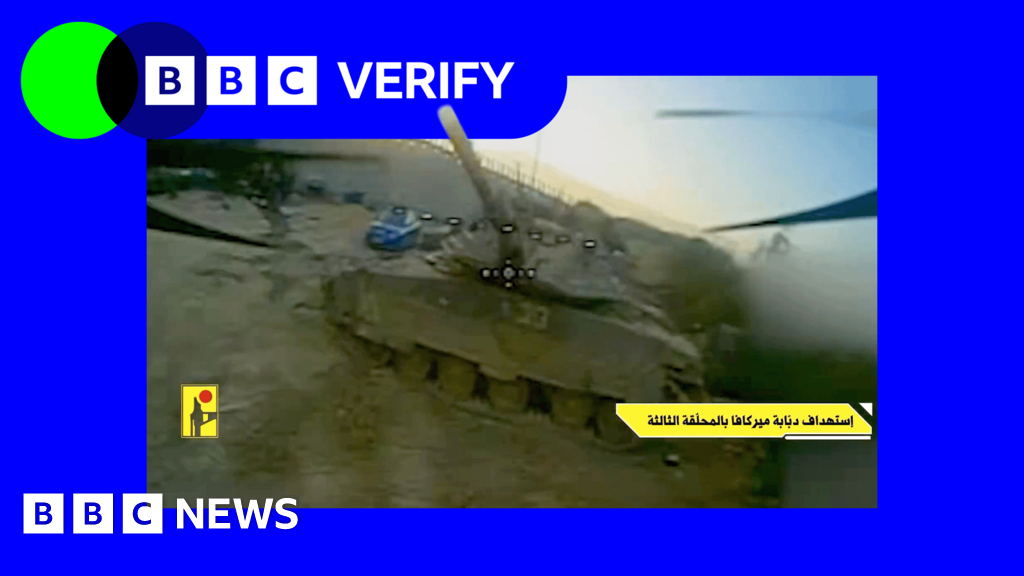
Hezbollah has significantly escalated its tactical approach in the conflict with Israel by increasing the deployment of small, first-person view (FPV) drones, many of which are controlled via fibre-optic cables. According to an analysis by BBC Verify, the Lebanese armed group has shared nearly 100 apparent attack videos on its Telegram channel since 26 March, with 35 of these instances verified through geolocation. The footage documents strikes against Israeli military targets in southern Lebanon and northern Israel, including attacks on soldiers, armoured vehicles, and air defence systems.
Experts indicate that the use of fibre-optic connections allows these drones to evade Israeli electronic countermeasures and radar detection, a capability that has rendered current interception methods largely ineffective. Dr Andreas Krieg, a security expert at King’s College London Centre for Information Resilience, stated that the fibre-optic technology renders Israel’s capacity to detect, jam, and intercept drones largely irrelevant. This technological shift forces Israeli troops to adopt more cautious operational postures, including hardening positions and utilising physical protective measures such as nets and cages.
The drones are described as low-cost, commercially sourced devices assembled from components sourced from places such as China, supplemented by 3D-printed parts. Experts estimate the cost of each unit to be between $300 and $500. Leone Hadavi, a senior investigator and weapons expert for the Centre for Information Resilience, noted that tracing these components is difficult due to their non-military nature and widespread accessibility. Most of the FPV drones carry rocket-propelled grenade warheads, which are readily available in the region.
Casualty figures and damage reports highlight the impact of these strikes. Israeli media reports indicate that four IDF soldiers and one civilian have been killed in FPV attacks, with dozens more injured. Verified videos show specific incidents, including an attack on an Israeli border outpost near Kiryat Shmona where at least two military vehicles were heavily damaged or destroyed. Another verified incident in the Lebanese town of Taybeh on 26 April showed strikes on soldiers and an IDF helicopter attempting to rescue injured troops, resulting in one soldier killed and six others injured.
The Institute for National Security Studies noted that the Israel Defense Forces (IDF) has also been operating FPV drones for several years, including in southern Lebanon and against Hamas in Gaza. The IDF told BBC Verify it recognises the threat and is investing significant resources in improving defences and training soldiers. The broader conflict, which intensified on 2 March following air strikes in Iran that resulted in the death of Iran’s supreme leader, Ayatollah Ali Khamenei, has led to significant displacement in Lebanon, with more than one million people displaced since the fighting began.