Hezbollah rejects US-backed Lebanon ceasefire as strikes continue
The US State Department announced a new agreement requiring Hezbollah’s evacuation north of the Litani River, but military operations persisted on Thursday, resulting in civilian deaths and the loss of a UN peacekeeper.
Hezbollah has emphatically rejected a US-brokered ceasefire agreement between Israel and Lebanon, with the group’s leader Naim Qassem describing the terms as "futile" and "humiliating." In a statement released on Thursday, Qassem, who was not part of the negotiations, categorically dismissed the deal as tantamount to surrender, arguing it would fulfil Israel’s objectives rather than secure peace for Lebanon. The rejection underscores the deep scepticism among local residents in Beirut’s southern suburbs, where one storekeeper noted that a ceasefire cannot be imposed unilaterally.
The agreement, announced by the US State Department following a fourth round of talks in Washington, mandates the evacuation of all Hezbollah operatives from the area between the Israeli border and the Litani River. It establishes "pilot" security zones under the exclusive control of the Lebanese Armed Forces, excluding all non-state actors. However, the deal lacks specific maps or practical explanations for how these zones will function, and it remains contingent on a complete cessation of fire by Hezbollah. Lebanese President Joseph Aoun stated the ceasefire could be implemented within 24 hours of final approval by all parties.
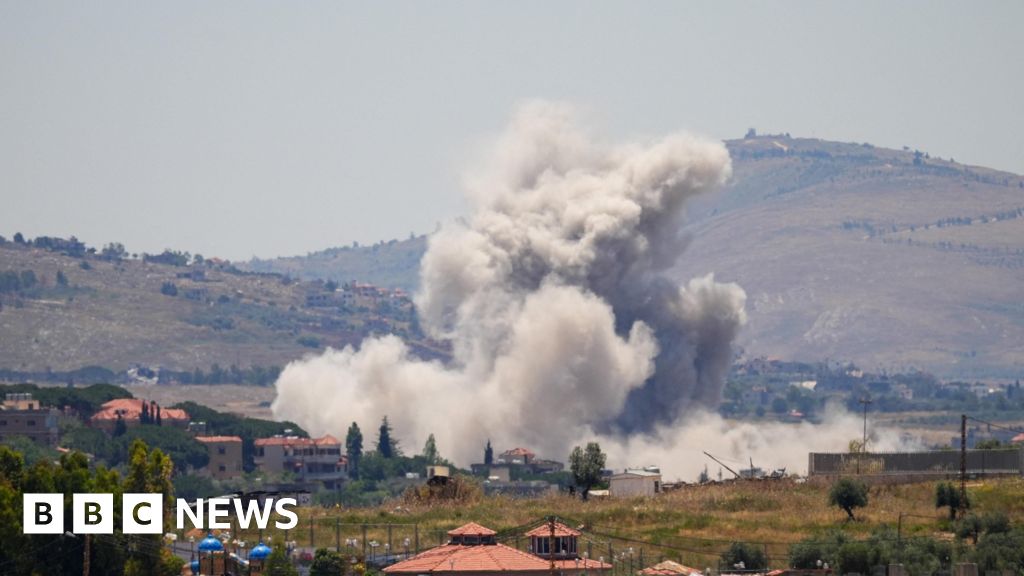
Despite the diplomatic announcement, Israeli military operations continued in southern Lebanon on Thursday. Israeli Defence Minister Israel Katz declared that the military would continue its fire and ground operations to "dismantle terrorist infrastructure in the area." Lebanese media reported that air strikes killed five people in the Bekaa Valley town of Sohmor and one person in Maaroub near Tyre. Hezbollah also confirmed it had targeted Israeli troops and military vehicles in Qantara and Beaufort Castle with drones and rockets.
The violence resulted in the death of a UN peacekeeper, raising the stakes of the ongoing conflict. Senior Sergeant Milovan Jovanovic of Serbia died from wounds sustained when mortar shells struck his position near Marjayoun late on Wednesday. The Israeli military accused Hezbollah of firing the mortars that landed inside the UN position, though the group has not yet commented on this specific incident. The United Nations peacekeeping force in Lebanon (Unifil) confirmed the death of the Serbian soldier, one of approximately 170 Serbian peacekeepers in the 7,500-strong force.
Further talks between Israel and Lebanon are scheduled for 22 June, with representatives aiming to reach a comprehensive agreement. The conflict, which escalated on 2 March following an Israeli strike that killed Iran’s supreme leader, has seen at least 3,526 people killed in Lebanon and over one million displaced. A previous US-brokered ceasefire on 16 April failed to halt the fighting, leading Prime Minister Benjamin Netanyahu to order intensified strikes in response to attacks on northern Israeli communities.