Hezbollah MP claims resistance fills void left by state failure in Lebanon
The Lebanese parliamentarian argues that armed resistance is a necessary response to governmental inability to protect citizens, amid a fragile ceasefire and heightened regional tensions.
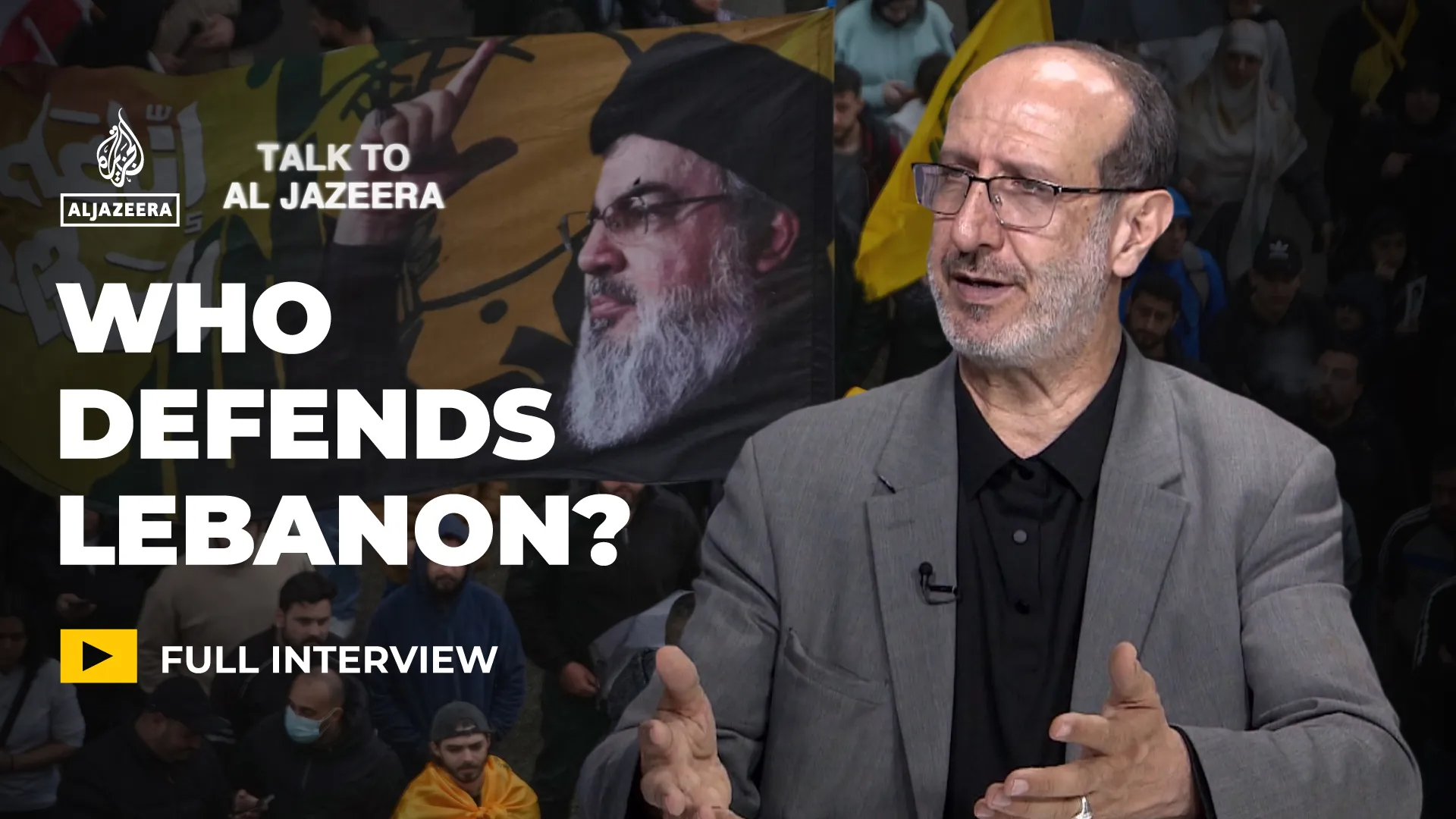
Hezbollah Member of Parliament Ibrahim Moussawi has rejected accusations that the group undermines the Lebanese state, arguing instead that the resistance movement remains essential because diplomatic efforts have failed. Speaking in an interview with Al Jazeera published on 7 June 2026, Moussawi contended that Israel continues to violate Lebanese sovereignty, necessitating the group's intervention to protect citizens where the government has been unable to act.
Moussawi characterised the current security environment as a fragile ceasefire, noting that the Lebanese state has not succeeded in safeguarding national borders or upholding sovereignty through conventional diplomatic channels. He posited that resistance is required when governments cannot protect their populations, framing the group’s actions as a defensive response to ongoing violations rather than an attempt to destabilise the state apparatus.
The interview also addressed the broader political struggle within Lebanon regarding who holds the authority to make decisions on war, peace, and national sovereignty. Moussawi highlighted the internal debate over these powers, suggesting that the current security realities have exposed the limitations of state institutions in managing external threats.
Regional tensions were also a focal point, with Moussawi discussing Hezbollah’s relations with Iran. The comments come against a backdrop of heightened instability, including recent direct exchanges of fire between Iran and Israel. These exchanges were described as the first direct bombardment between the two nations since April, underscoring the volatile context in which the Lebanese political discourse is unfolding.
Historical context for the current standoff includes Israeli military operations in Lebanon’s Dahiyeh district, which Israel stated were in response to cross-border fire from Hezbollah. In retaliation, Hezbollah confirmed launching a drone at the Dovev Barracks. Moussawi’s assertions regarding state failure are made within this framework of ongoing military exchanges and diplomatic impasse.
The parliamentarian’s remarks reflect the persistent dispute over the balance of power between the Lebanese state and non-state actors like Hezbollah. By framing the resistance as a substitute for state failure, Moussawi challenges the narrative that the group operates outside the bounds of national interest, arguing instead that it acts where official channels have broken down.
As Lebanon navigates this fragile ceasefire, the debate over sovereignty and decision-making authority remains unresolved. Moussawi’s interview with Al Jazeera provides a clear articulation of the group’s stance: that in the absence of effective diplomacy and state protection, resistance remains a necessary component of national defence.