Hegseth faces sharp scrutiny over Iran conflict costs and conduct before House committee
US Defence Secretary Pete Hegseth appeared before the House Armed Services Committee to address the financial toll of the ongoing conflict in Iran and a controversial airstrike on a school in Minab.
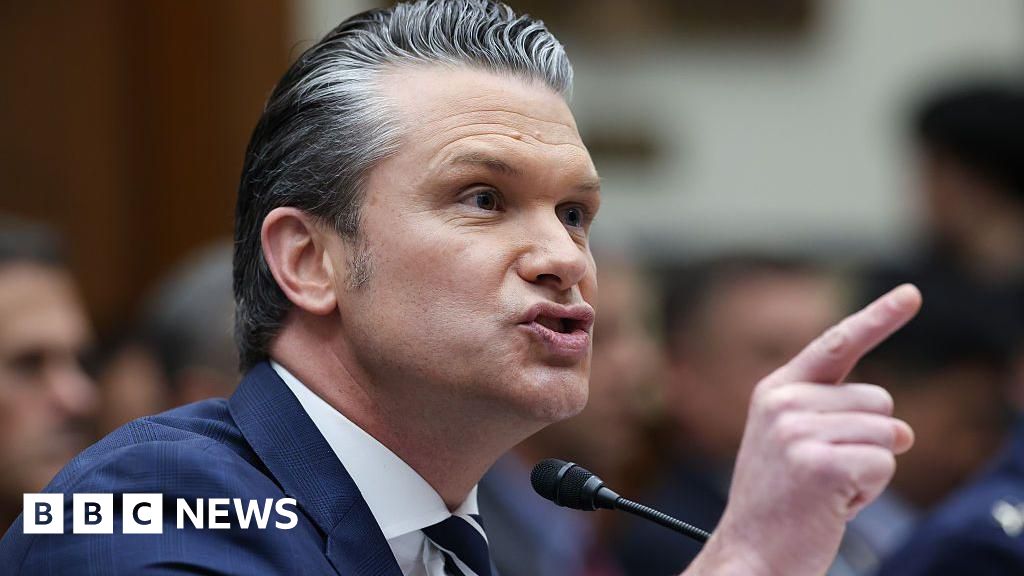
US Defence Secretary Pete Hegseth appeared before the House Armed Services Committee for a nearly six-hour hearing, marking his first time facing questions under oath since the commencement of military action in Iran. The session highlighted a significant divergence between the administration and Democratic lawmakers regarding the financial implications of the conflict and the justification for a substantial increase in defence spending.
During the proceedings, Defence Department Chief Financial Officer Jules Hurst revealed that the war has cost the United States $25bn to date. Hurst indicated that the majority of these expenses have been attributed to munitions and the replacement of equipment, noting that a full assessment of the total cost would be provided at a later time. The hearing also addressed the White House request to boost the defence budget to $1.5tn, a figure the administration describes as a historic down payment for future security reflecting the urgency of the moment.
The justification for this sweeping budget increase drew sharp criticism from Democrats, who characterised the military action as an unauthorised war of choice waged without Congressional approval. Joint Chiefs Chairman Gen Dan Caine supported the request, arguing it is necessary to keep pace with fast-evolving technology. However, opposition lawmakers argued that the spending represents an expensive engagement that has not received proper legislative sanction.
A significant point of contention during the session was a controversial airstrike on a school in Minab, Iran, which killed 168 people. While acknowledging that a mistake was made, Hegseth refused to attach a specific cost to the operation, stating that the situation remains under investigation. Democrats demanded accountability for the incident, with some pressing the defence secretary on the financial implications of the strike.
The hearing also saw Hegseth engage in a heated exchange with Democratic lawmakers, accusing them of spreading defeatist words and failing to recognise the existential threat posed by Iran. In response, Democratic representatives condemned the administration's handling of the conflict, with one lawmaker stating that the president has been lying to the American public about the war from day one.
Beyond the immediate military and financial disputes, the session touched on international economic ramifications, including rising global oil prices and their knock-on impacts for consumer goods. With the United States and Iran having agreed on a ceasefire to facilitate peace talks, though the conflict has not officially ended, the administration is scheduled to appear before the US Senate for another hearing on Thursday.