Hebron farmers report attacks and restrictions threatening livelihoods
Farmers in Beit Ummar say settler attacks, livestock theft and movement restrictions are obstructing access to land and damaging crops.
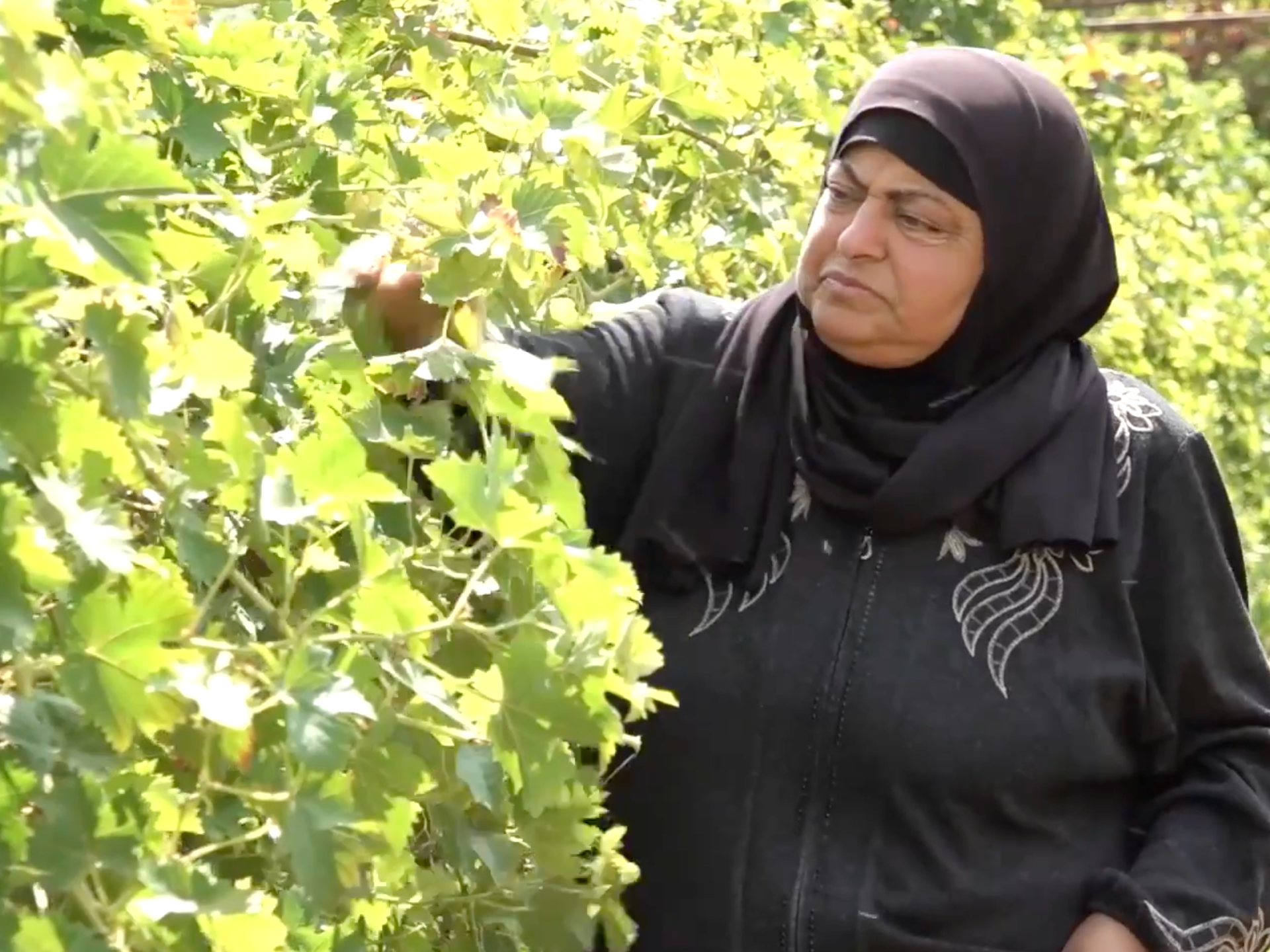
Palestinian farmers in Beit Ummar, north of Hebron, say settler attacks and Israeli military restrictions are threatening their crops, livestock and access to farmland.
Theeba al-Sabaa, a 56-year-old farmer, told Al Jazeera that settlers have released sheep into cultivated fields, damaging crops, while monitoring and confronting her family. She said new settler outposts had appeared on nearby hills since mid-2024 and blocked access to parts of her land.
Anwar Sabarneh said two of his brothers had abandoned their land because of repeated violations. He said his sheep had remained confined for more than eight months because taking them outside exposed them to theft, and that Israeli soldiers arrested and beat children who tried to recover allegedly stolen animals.
Sabarneh also said the Israeli army demanded permits for Palestinians to work on land they owned and that farmers were prevented from building there. The report describes military gates, movement controls and bypass roads as further barriers to reaching orchards and vineyards.
The Colonisation and Wall Resistance Commission recorded 11,074 attacks in the West Bank during the first half of 2026, including 3,488 attributed to settlers. The figures and farmers’ allegations were reported by Al Jazeera and have not been independently verified in the supplied material.
The report said some Palestinian farmers had gone four consecutive seasons without harvesting olives, grapes or guava. It also highlighted the role of women in maintaining family farms, particularly where men have been killed or detained.