Heatwave curtailments strain European nuclear output and electricity markets
While annual production losses remain minimal, extreme weather events are increasingly impacting grid stability, prompting France to adjust its long-term nuclear infrastructure strategy.
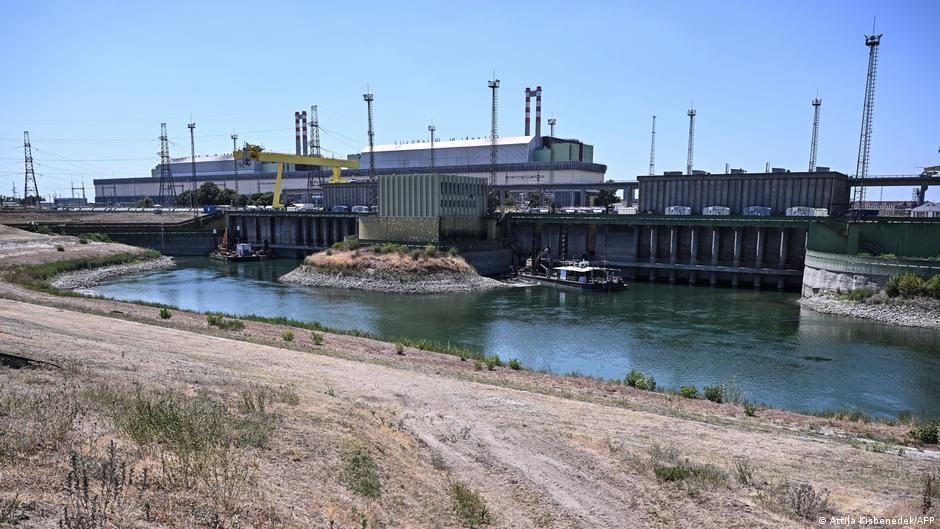
Record-low river levels and high water temperatures across Europe are forcing nuclear power plants, particularly in France and Hungary, to reduce output or temporarily shut down reactors. The primary driver for these curtailments is environmental regulation: warm water contains less oxygen and exceeds legal temperature limits designed to protect aquatic life, rather than immediate reactor safety concerns. While annual production losses are minimal (typically under 1%), short-term capacity reductions during heatwaves have impacted grid stability and caused electricity prices in France and Germany to spike to their highest levels since January 2025.
Specific data from the 2026 heatwaves highlights the severity of the disruption. In late June and mid-July 2026, maximum available nuclear capacity in France was temporarily limited by eight to nine gigawatts, representing up to one-fifth of normal summer capacity. On June 24, 2026, capacity was reduced by approximately 4.1 gigawatts due to high river temperatures, directly contributing to price spikes. On July 13, 2026, eight reactors with a combined capacity of 6.3 gigawatts were affected, with two taken completely offline.
The Paks nuclear plant in Hungary, which supplies about 40% of the country's electricity, had only one of four turbine units operating due to record-low Danube water levels. In France, the Golfech plant, despite having cooling towers, remains vulnerable due to its location on the warm Garonne River. The Chooz plant on the Meuse River had to throttle back reactors in 2020 to protect the Belgian drinking water supply, illustrating that cooling towers do not fully insulate plants from weather impacts.
France imported affordable solar and wind power from Spain during the July heatwaves to offset domestic curtailments. France, which relies heavily on nuclear power, remains an electricity exporter overall but saw exports drop significantly during recent heatwaves (e.g., from 10–12 gigawatts to 3 gigawatts in late June 2026). Future projections suggest climate-related reactor downtime could triple or quadruple by 2050, prompting France to plan new EPR2 reactors on the coast to mitigate thermal load on rivers.