HDMI cables: Why price is not the best guide for picture quality
A new analysis suggests that expensive HDMI cables rarely offer superior performance to cheaper alternatives, provided the correct certification category is selected for the specific bandwidth and distance required.
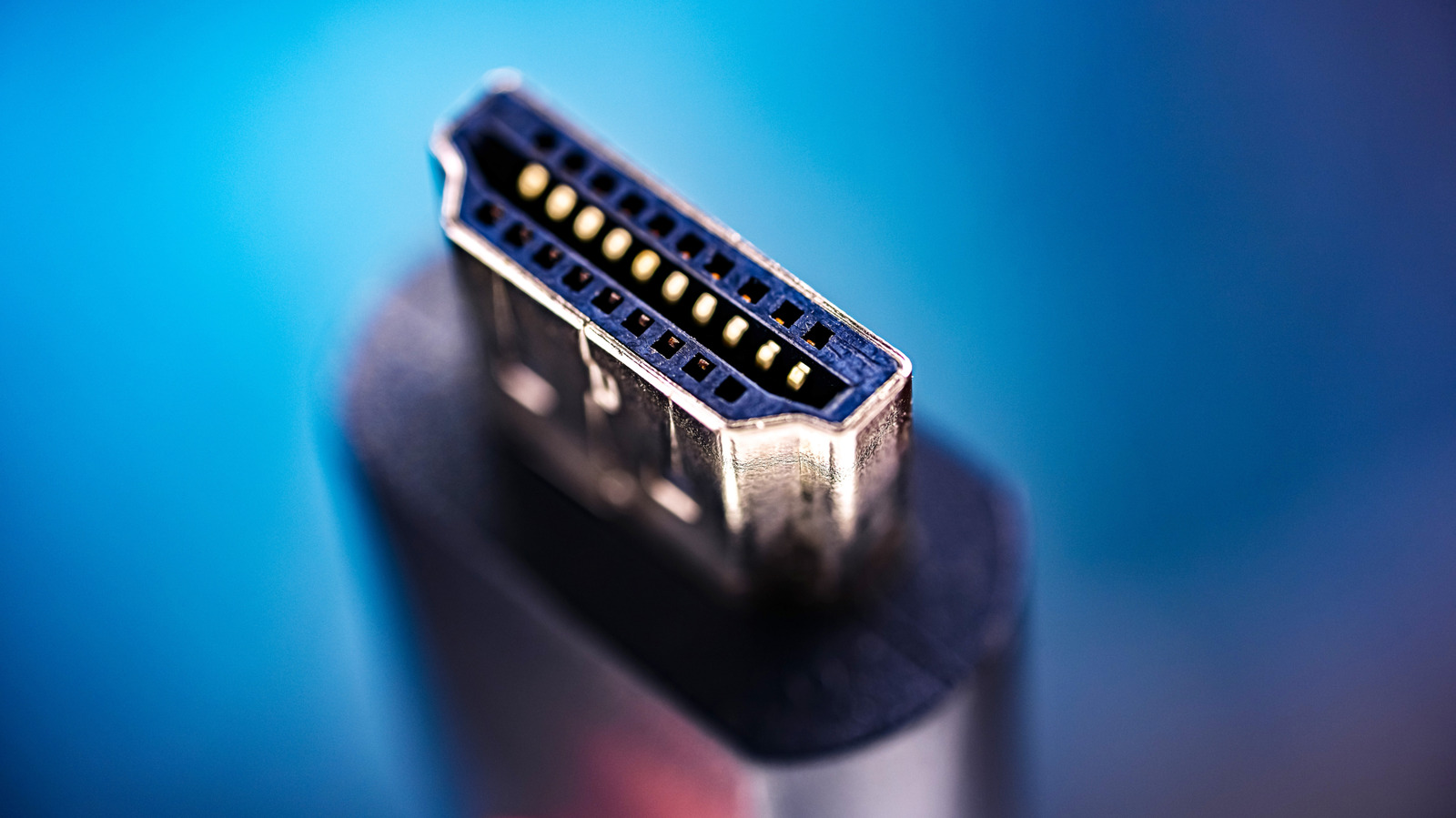
Expensive HDMI cables generally do not deliver better picture or sound quality than their cheaper counterparts, according to a consumer analysis published by Engadget. The report concludes that as long as a cable can reliably carry the required signal, paying a premium does not make the image sharper or the audio clearer. The primary factors that justify higher costs are specific bandwidth requirements, such as those for 4K/120Hz gaming consoles, or longer cable runs that necessitate active or optical fibre technology.
The core function of an HDMI cable is to transport digital video and audio between devices, not to process the signal. This means that a pricier cable adds no extra quality if it successfully carries the data. While the common adage that digital cables either work or do not work is broadly useful, it can be misleading. A cable may be sufficient for one video mode but struggle when subjected to higher demands, such as a PlayStation 5 running at 4K/120Hz. Sony recommends using the cable included with the console or an Ultra High Speed cable rated for 4K/120Hz to avoid issues like no picture or incorrect resolution.
To navigate the market effectively, consumers are advised to select cables based on official certification categories rather than price or brand alone. Under the rules of the HDMI Licensing Administrator, version numbers cannot be used in isolation for labeling, packaging, or promotion. Instead, three official categories are recognised: Premium High Speed cables, certified for up to 18Gbps; Ultra High Speed cables, supporting up to 48Gbps; and Ultra96 cables, which support up to 96Gbps.
For most users, the fastest category is unnecessary. Premium High Speed cables are sufficient for most 4K streaming, while Ultra High Speed cables cover the demands of 4K/120Hz gaming. The newest category, Ultra96 (also known as HDMI 2.2), is only required for rare setups needing more than 48Gbps, such as uncompressed 4K at 240Hz or 8K at 60Hz. Ultra96 devices may support maximum bandwidths of 64Gbps, 80Gbps, or 96Gbps, but if a setup tops out at 48Gbps, an Ultra High Speed cable is adequate.
Cable length represents the other significant exception to the rule that cheaper cables are sufficient. The HDMI Licensing Administrator does not specify a universal maximum length because workable distance depends on the cable’s type and construction. However, at the higher demands of Ultra High Speed HDMI, cables longer than a few meters are likely to need powered active circuitry. These active cables use electronics to extend the signal, while some longer cables use optical fibre for high-speed portions of the connection.
It is important to note that active HDMI cables can be directional. The end marked for the source must connect to the device sending the signal, such as a console or streaming box. For short connections behind a television, a properly certified cable with sufficient bandwidth is usually all that is needed. Paying more for an appropriate active or optical cable makes sense primarily for longer runs, where a different method of moving the signal is required.