Havana Waste Crisis Deepens as US Oil Blockade Strains Infrastructure
The Trump administration’s oil blockade has left garbage trucks without fuel in Cuba’s capital, prompting residents to burn waste and experts to warn of a surge in mosquito-borne illnesses.
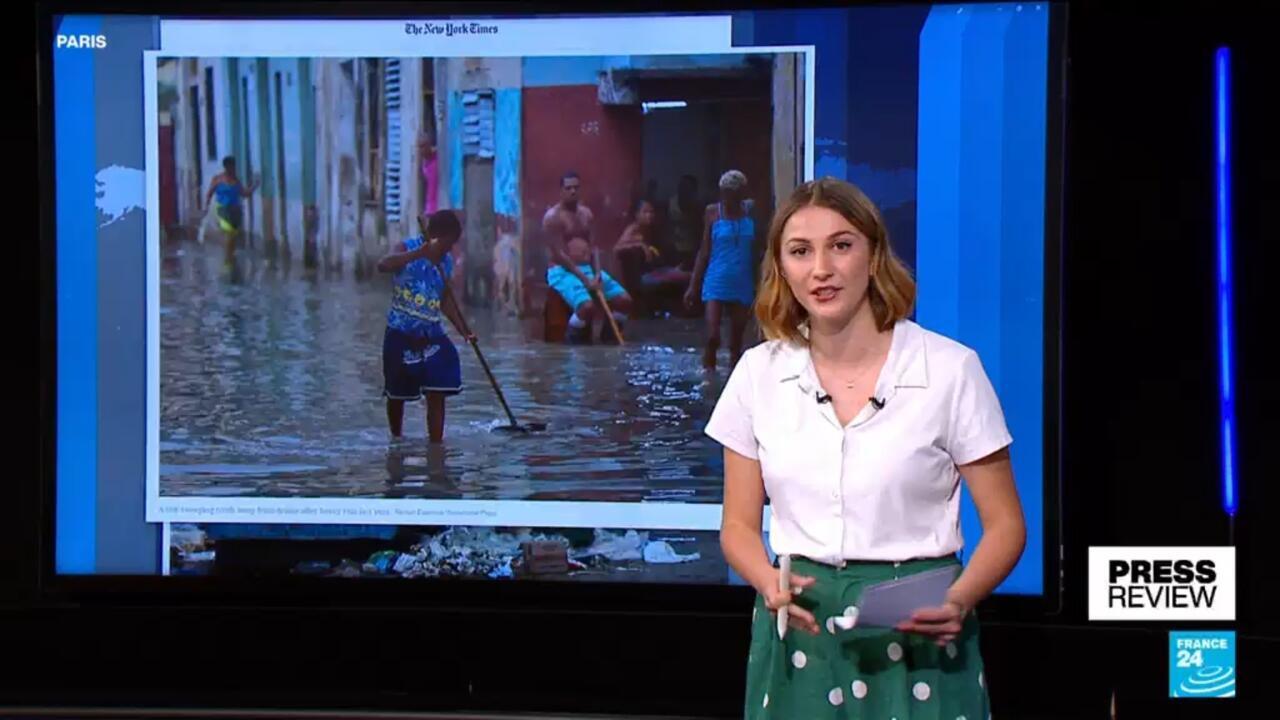
The Trump administration’s oil blockade on Cuba has severely exacerbated a waste management crisis in Havana, leaving garbage trucks without the fuel required for collection. According to The New York Times, the blockade has aggravated pre-existing deficiencies in the island’s garbage pickup services, resulting in enormous piles of refuse blocking streets and residential entrances.
Jose Fernandes Zaldivar, a street sweeper earning $9 per month, reported that waste accumulation has become so severe it occasionally blocks the entry to his home. With gasoline scarce due to the blockade, municipal services have struggled to maintain operations, forcing residents to resort to burning garbage as a coping mechanism. The situation deteriorates further during rainfall, when water clogs the streets amidst the debris.
The newspaper characterises the overflowing trash as a visible symbol of the extreme consequences of the US policy. Public health experts have issued warnings that the stagnant waste poses a significant risk of an explosion in mosquito-borne illnesses during the upcoming summer months, compounding the humanitarian impact of the economic restrictions.
Beyond the geopolitical tensions in the Caribbean, global developments in health and industry are drawing attention. A clinical trial highlighted by The Guardian suggests a new daily pill treatment for pancreatic cancer could double survival times with fewer side effects than chemotherapy. Concurrently, Libération notes that China has significantly increased its investment in cancer research and drug production over the past two decades, raising concerns from European institutions like the Institut Curie about the future of Western research leadership.
In other international developments, Wired reports that Turkey has become a global hub for hair transplants, attracting 1.39 million medical tourists in 2025, with one-third seeking aesthetic procedures. Meanwhile, the Wall Street Journal examines US farmers monetising farm life through social media, and Le Monde details the struggles of French herders seeking fair pay and unionisation despite the UN declaring 2026 the International Year of Pastoralism. In Paris, Le Figaro notes that metro stations have been temporarily renamed to celebrate Paris Saint-Germain’s Champions League victory.