Havana secures Chinese rice aid as US oil blockade deepens humanitarian crisis
The arrival of 15,000 tonnes of grain from Beijing underscores Cuba’s pivot to Asian partners as the Trump administration tightens sanctions and threatens regime change.
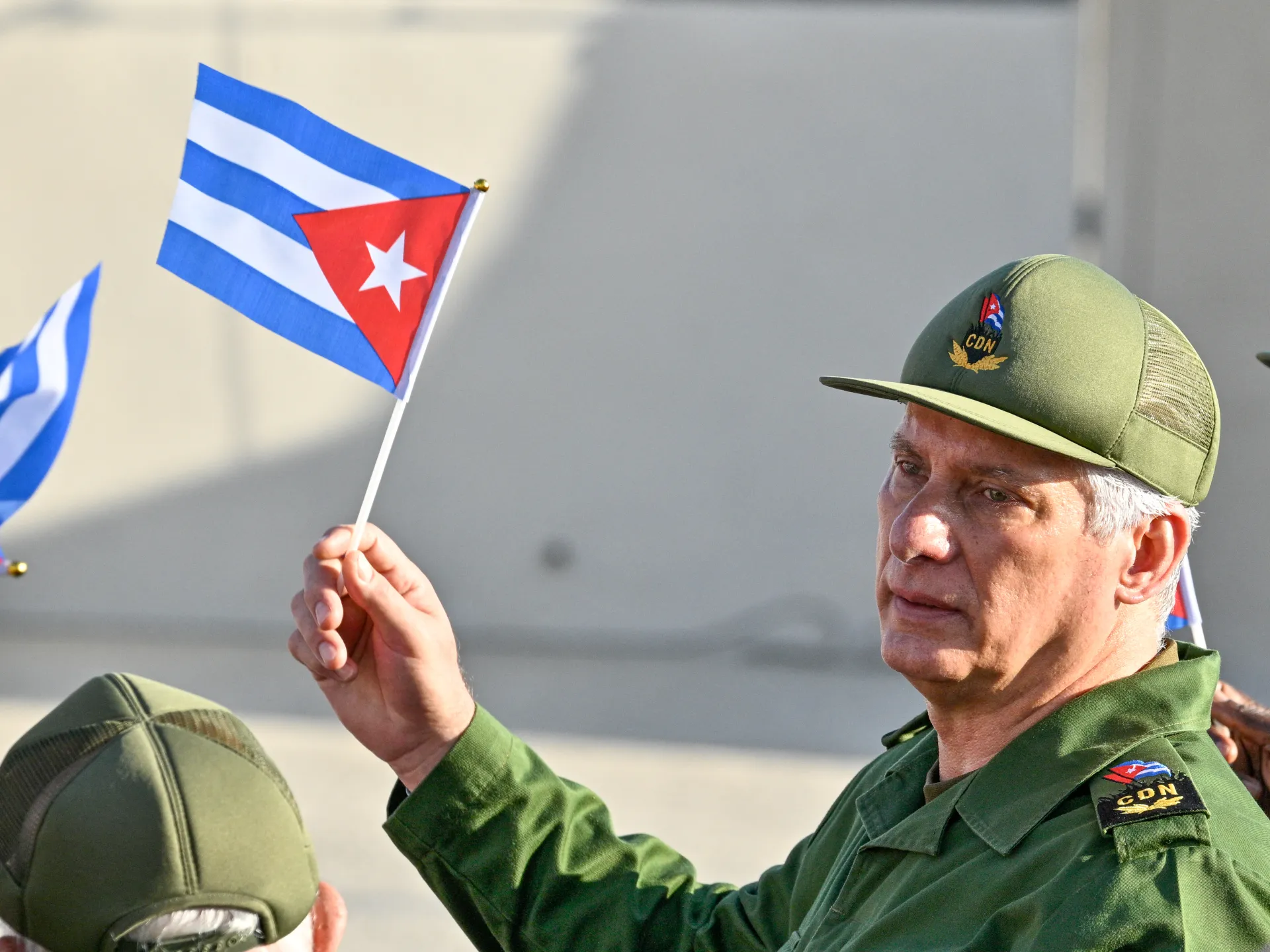
Cuban President Miguel Diaz-Canel has confirmed the arrival of the first 15,000 tonnes of a 60,000-tonne rice donation from China, marking a critical lifeline for an island grappling with severe humanitarian conditions. Speaking on social media on Sunday, Diaz-Canel expressed deep gratitude to Beijing for the shipment, which arrived at the port of Havana on Saturday, while simultaneously condemning the United States’ escalating pressure campaign as collective punishment.
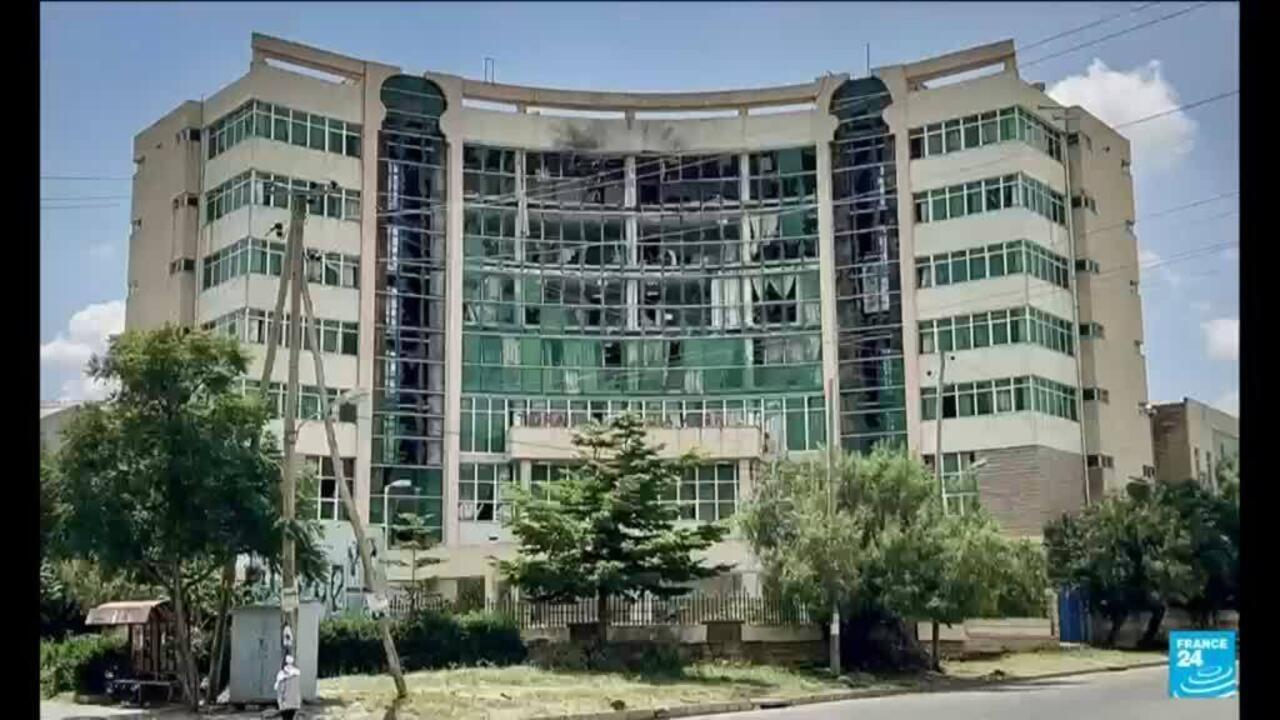
The aid arrives against the backdrop of a de facto oil blockade imposed by the Trump administration, which has effectively halted Venezuelan oil transfers and sanctioned nations supplying fuel to Havana. The blockade, initiated in January following the US military operation to detain Venezuelan President Nicolas Maduro, has left Cuba with exhausted oil reserves. This energy shortfall has triggered island-wide blackouts, bringing public services including transportation and medical care to a standstill, according to reports from Energy Minister Vicente de la O Levy.
Diaz-Canel characterised the US strategy as an attempt to justify a false narrative of impending collapse to pave the way for military intervention. He likened the situation to genocide, echoing sentiments shared by members of the European Parliament who have denounced the sanctions. The Cuban leader affirmed that the island would continue to strengthen its ties with China, describing the bonds of friendship as growing stronger in crucial times, despite US efforts to curb Beijing’s influence in Latin America.
Tensions between Washington and Havana have intensified through a series of punitive measures. The US Treasury recently imposed sanctions on Cuba’s main intelligence agency, nine Cuban nationals, and senior Communist Party officials. Furthermore, the Trump administration has unveiled a murder indictment against former President Raul Castro regarding the 1996 downing of two planes run by Cuban exiles, a move likely to strain any potential diplomatic negotiations. US Secretary of State Marco Rubio has also disclosed that Washington offered $100m in humanitarian aid conditional on meaningful reforms, a proposal the Cuban government has rejected as part of a regime change strategy.
While Cuba has reportedly acquired over 300 military drones from Russia and Iran, Diaz-Canel warned of a bloodbath should the US launch an attack, asserting Havana’s right to self-defence. The Trump administration has identified Cuba as an unusual and extraordinary threat, with President Donald Trump suggesting he may be the one to take decisive action after decades of inaction. As Cuba relies on imports for nearly 60 percent of its oil supply, the continued blockade poses a significant challenge to the island’s stability and its ability to maintain essential services.