Hantavirus pandemic risk assessed as low by Lancaster University virologist
An interview conducted by France 24 highlights the role of incubation periods in limiting global outbreak potential
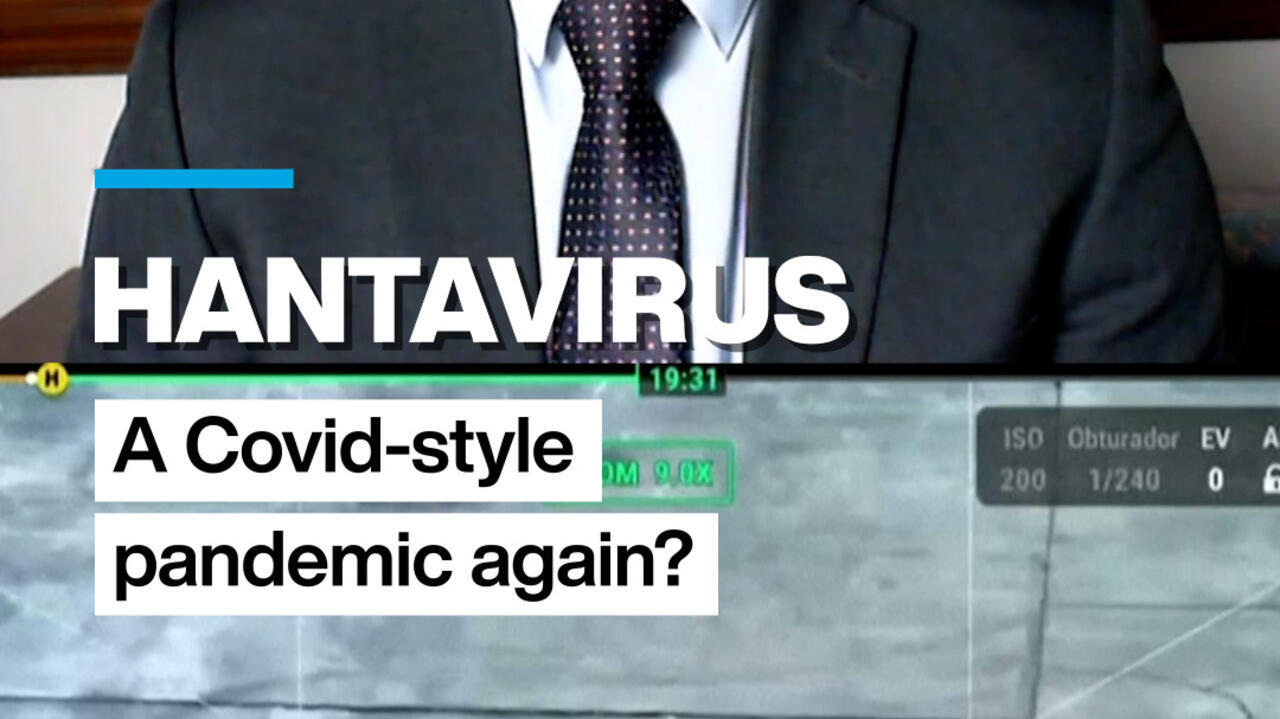
France 24 has engaged with virologist Muhammad Munir of Lancaster University to evaluate the potential for a hantavirus outbreak to mirror the scale of the Covid-19 pandemic. The discussion, recorded on 12 May 2026, centres on the biological constraints that distinguish this pathogen from previous global viral crises.
According to the expert commentary relayed by the international broadcaster, the long incubation period inherent to hantavirus acts as a critical barrier to rapid, widespread transmission. This biological factor fundamentally alters the dynamics of how the virus spreads compared to the coronavirus, which facilitated an unprecedented global surge.
Health experts cited in the assessment maintain that a global pandemic scenario comparable to the one seen during the Covid-19 era remains unlikely for hantavirus. This conclusion is drawn from an analysis of transmission risks rather than specific case numbers or geographic outbreak data, which were not provided in the source material.
The assessment underscores the importance of distinguishing between different viral mechanisms when evaluating pandemic preparedness. While the topic of viral transmission risks frequently appears in public health discourse, the specific characteristics of hantavirus suggest a lower probability of a worldwide event of this magnitude.
The interview serves as a reminder that expert opinion often relies on established virological principles rather than immediate statistical predictions. Consequently, the consensus that a Covid-style scenario is improbable should be viewed as a qualitative risk assessment grounded in the virus's known biological behaviour.
Ultimately, the dialogue with Professor Munir reinforces the need for nuanced understanding of pathogen-specific risks. The focus remains on the structural differences in transmission that prevent hantavirus from replicating the conditions that led to the global spread of the coronavirus.