Hantavirus outbreak on luxury cruise ship reignites debate on elite mobility and public health
The MV Hondius incident, which has resulted in three deaths and seven confirmed cases, mirrors patterns seen during the early stages of the COVID-19 pandemic, where affluent travellers facilitated international pathogen spread while poorer populations bore the brunt of health risks.
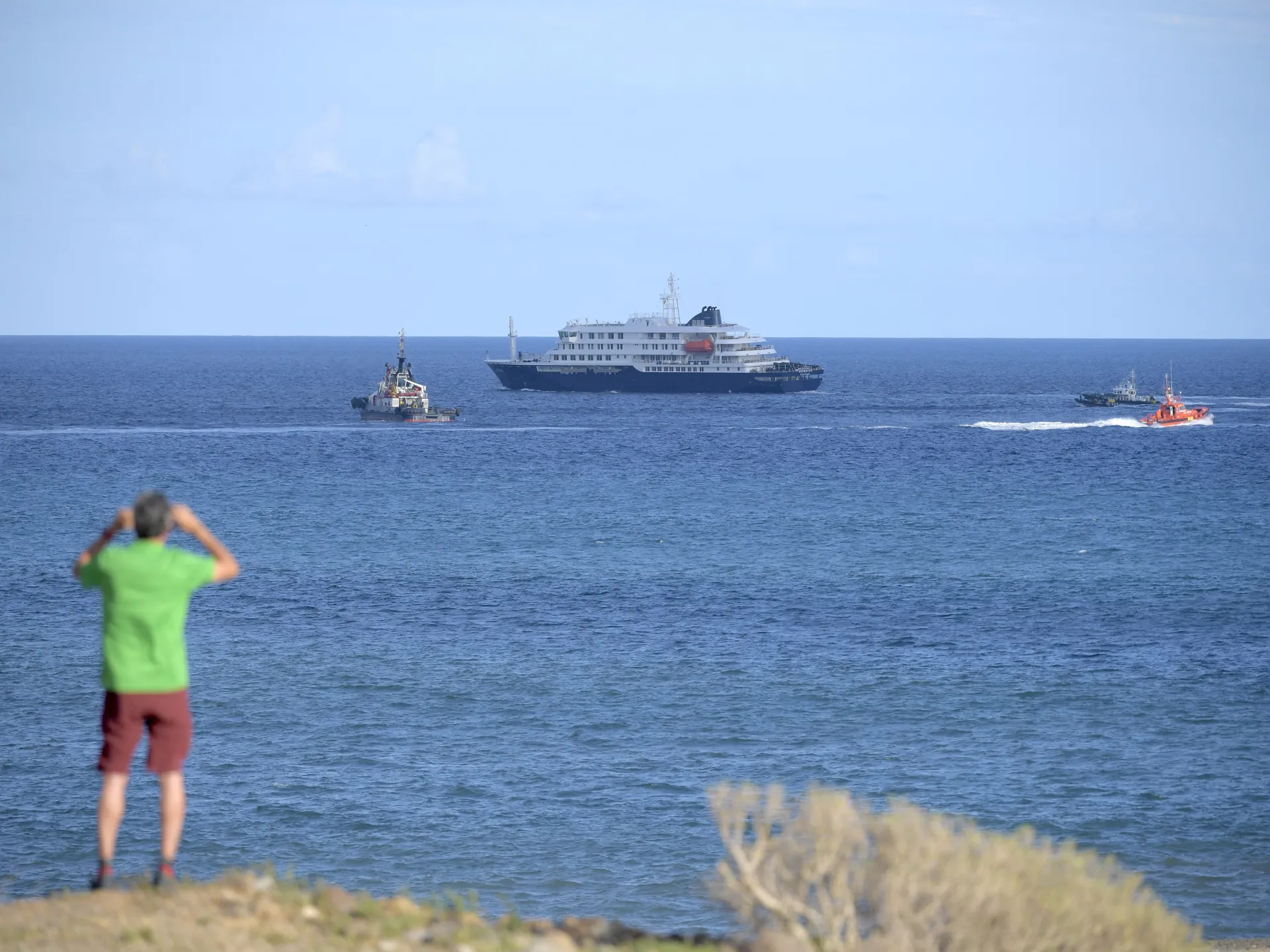
A hantavirus outbreak aboard the luxury cruise ship MV Hondius has intensified scrutiny over the intersection of elite mobility and public health governance. The vessel, which departed Ushuaia, Argentina, on 1 April for a voyage to Cape Verde, is carrying 88 passengers and 59 crew members from 23 countries. Spanish authorities have permitted the ship to remain offshore near Tenerife after initially refusing it entry to the Canary Islands, citing concerns that infected rodents on board could reach land.
The outbreak has resulted in seven confirmed cases, two suspected cases, and three deaths. One French passenger repatriated from the vessel is currently in intensive care at Bichat Hospital in Paris, undergoing treatment with an artificial lung. Dr Xavier Lescure, an infectious disease specialist at the hospital, described the device as the final stage of supportive care, designed to relieve pressure on the patient’s lungs and heart to allow for potential recovery.
The incident has drawn parallels to the early spread of the novel coronavirus, where affluent travellers and business elites were often the vectors for international pathogen transmission. During the initial months of the pandemic, outbreaks were frequently linked to ski holidays and luxury cruises, with pathogens moving along the same routes as wealthy tourists. This dynamic created a paradox where those with the greatest freedom of movement generated disproportionate epidemiological risk, while poorer populations, who lacked the resources to isolate or flee, absorbed the brunt of the health consequences.
Spanish officials initially defended their refusal to allow the MV Hondius to dock by warning of the potential for infected rodents to spread disease ashore. While Spanish health officials later downplayed the likelihood of such transmission, the episode highlighted broader anxieties regarding the introduction of pathogens into regions where local populations may ultimately bear the consequences. Following protests from passengers and their families, a compromise was reached allowing the ship to remain offshore.
The cost of the journey for some passengers reportedly reached up to 18,000 euros ($21,000), underscoring the stratified nature of global mobility. As the MV Hondius incident demonstrates, wealthy societies may need to bear greater responsibility for the epidemiological risks generated by elite travel. The outbreak serves as a reminder that while the privileged remain the most mobile people on earth, they are rarely the most exposed to the consequences of that mobility, leaving less resourced communities to manage the resulting uncertainty and health risks.