Hanson opposes federal-state gun buyback scheme over taxpayer cost concerns
The One Nation leader has publicly rejected the two-phase firearms buyback, arguing that the 50:50 cost split between the federal and NSW governments places an undue burden on taxpayers and law-abiding citizens.
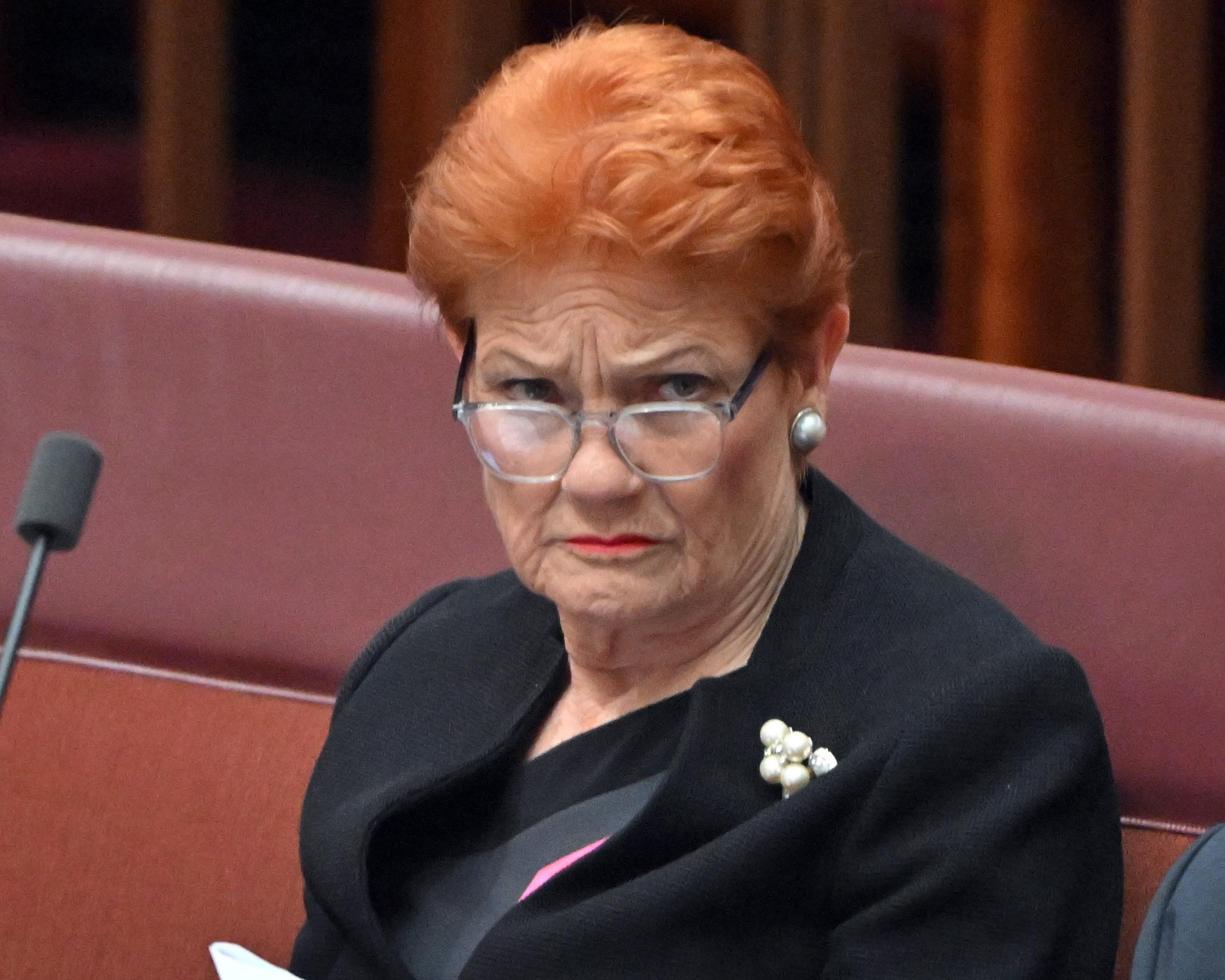
Pauline Hanson has formally opposed a major gun buyback scheme announced by Prime Minister Anthony Albanese and NSW Premier Chris Minns in Sydney. The legislation, which passed parliament earlier this year as a direct response to the Bondi beach terror attack, outlines a two-phase compensation program funded through an equal cost split between the federal and NSW governments.
Under the scheme’s compensation structure, owners of revolvers are eligible for $1,000, while semi-automatic handguns attract $850. Double-barrel shotguns are valued at $850, with single-barrel models receiving $650. Rifles offer a variable compensation range between $650 and $1,000, and air rifles are fixed at $450.
Speaking to News24, Hanson argued that taxpayers should not be responsible for funding the initiative. She contended that the policy would negatively impact law-abiding Australians, specifically highlighting farmers who rely on firearms for their work.
Hanson, who confirmed she holds a gun licence, stated that she understands the needs of gun owners. She emphasised that different firearms serve different purposes and suggested that policymakers must have a practical understanding of these tools to regulate them effectively.
The opposition from Hanson marks a political challenge to the bipartisan security measures introduced following the Bondi attack. While the federal and state governments proceed with the buyback, her comments underscore ongoing tensions regarding the role of firearms in rural communities and the allocation of public funds for such regulatory measures.