Hamas leadership vote signals continuity as Gaza residents prioritise survival
Mixed reactions emerge in the Gaza Strip as the movement announces plans to transfer power to a UN-backed technocratic body, though Israel has not yet permitted its entry.
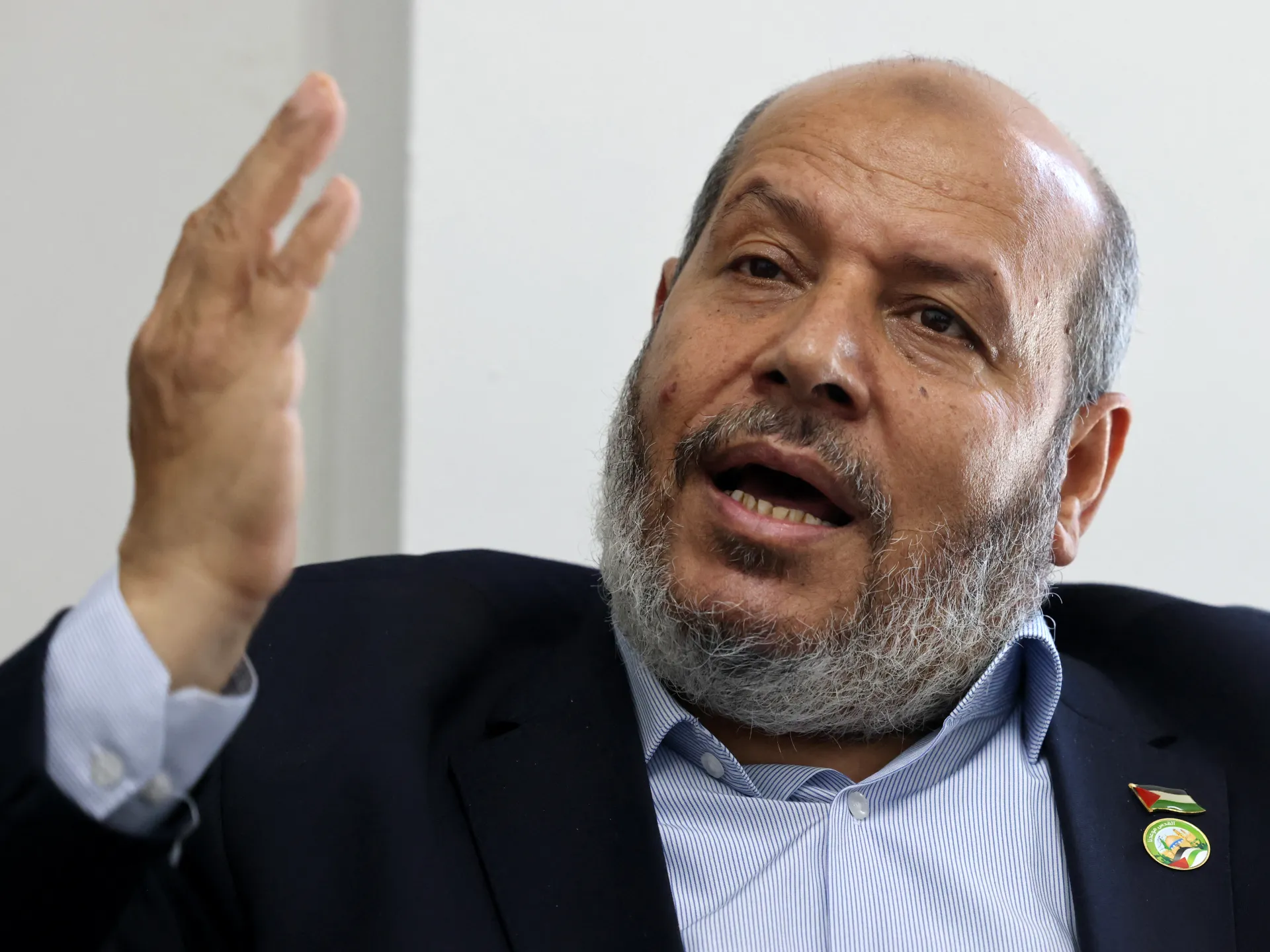
Khalil al-Hayya has been elected leader of Hamas, defeating former political chief Khaled Meshaal in an internal vote that has drawn mixed responses from Palestinians in the Gaza Strip. While the result marks a significant shift within the movement’s leadership, many residents remain focused on immediate survival needs, including access to food, clean water, and shelter, rather than political developments.
The election took place against the backdrop of widespread destruction following Israel’s military campaign that began on 7 October 2023. An ongoing Israeli siege has restricted access to basic commodities, leaving the population in a state of severe hardship. For many, the political transition is overshadowed by the daily struggle to endure the conflict and its aftermath.
Noman Saleh, a 63-year-old resident who lost his factory during the war, expressed deep frustration with political factions. He stated that people are hungry and humiliated, blaming all political groups for failures in representing the national cause. Saleh emphasised that leadership changes do not currently impact his daily reality, stating that the priority is finding someone loyal and honest to address the suffering.
Ali Abu Amshi, 28, who has lost 22 family members and was displaced from his home in Gaza City, echoed these sentiments. He told Al Jazeera that the news of the election does not make a difference to ordinary people who simply want to live, eat, and drink. Abu Amshi described feeling dead inside yet alive, highlighting a desire to end the cycle of pain and war rather than engage in political blame.
Palestinian journalist Mahmoud Haniyeh interpreted the election as a strategic message from Hamas, indicating continuity in its political direction. He noted that Israel considers al-Hayya a figure involved in the decision-making circle behind the events of 7 October. By choosing him, Haniyeh said, Hamas is signalling that it does not distance itself from October 7 and still considers it part of its strategic path.
Hamas has announced plans to dissolve its government and transfer power to the National Committee for the Administration of Gaza (NCAG), a UN-backed technocratic body. The NCAG was formed in January 2026 under UN Security Council Resolution 2803 as part of a US-backed 20-point peace plan. It is currently headquartered in Cairo and led by Palestinian technocrat Ali Abdel Hamid Shaath.
However, Israel has not yet permitted NCAG members to enter the Gaza Strip. Mustafa Ibrahim, a political analyst based in Gaza, said the reactions to the election reflect a wider crisis of trust between Palestinians and political factions. He noted that many people no longer see Hamas as having a political future and would prefer an end to the war over new elections.