Hamas elects Khalil al-Hayya in razor-thin vote, exposing deep rifts over Iran
Khalil al-Hayya has been elected head of Hamas, defeating former political bureau chief Khaled Meshaal by a single vote. The narrow margin underscores the movement’s ongoing struggle to reconcile rival factions and maintain political independence amid shifting regional alliances.
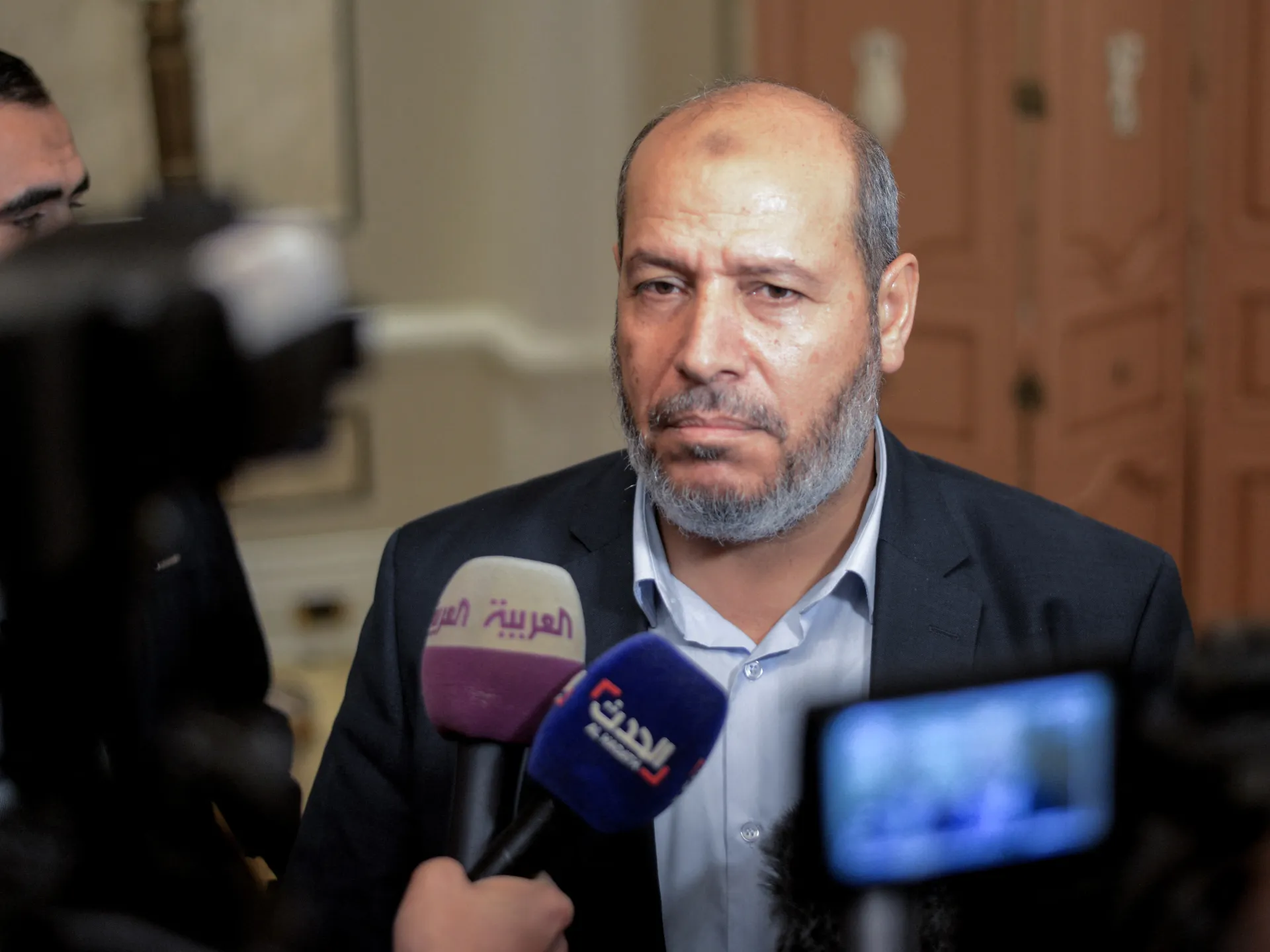
Khalil al-Hayya has been elected as the new head of Hamas, defeating former political bureau chief Khaled Meshaal by a single vote in a 35-34 result. The election concludes nearly two years of collective leadership that followed the killing of Yahya Sinwar in October 2024. Al-Hayya, who served as Sinwar’s former deputy in Gaza and sat on the five-person council that has led the movement since Sinwar’s death, now faces the immediate challenge of reconciling rival factions and preserving the group’s political independence.
The razor-thin margin of victory highlights deep divisions within the organisation, particularly regarding its relationship with Iran. While some interpretations suggest the result consolidates the influence of the camp most closely aligned with Tehran, the closeness of the vote indicates that Hamas remains deeply fractured. Al-Hayya’s win does not constitute a decisive mandate to marginalise opposing currents, leaving him with the difficult task of bridging competing ideological and strategic divides within the movement.
Hamas was established in December 1987 as a transformation of the Muslim Brotherhood’s organisation in Gaza. Initially governed by a simple executive office elected from a Shura Council, the leadership structure was disrupted by severe Israeli repression and mass detentions. This crisis prompted the involvement of external support networks, marking the beginning of a transfer of leadership from Gaza to the diaspora. Mousa Abu Marzouk was sent to salvage the battered organisation before moving to Jordan to head the political bureau, a role he held until his arrest in 1995.
Khaled Meshaal succeeded Abu Marzouk and led the political bureau until 2017. Under his tenure, Hamas reorganised into three constituencies—Gaza, the West Bank, and the diaspora—in an attempt to decentralise decision-making. However, this structure also generated bureaucracy and conflicting interests. The movement’s leadership base moved from Jordan to Damascus in the late 1990s, where it expanded its international relations and began to align with the so-called axis of resistance comprising Iran, Syria, and Hezbollah.
The relationship with Iran was severely tested during the Arab Spring. Hamas rejected Iranian demands to support the Syrian government, leading to its departure from Damascus to Doha. This decision coincided with internal political strife when Meshaal was persuaded to amend rules to stand for a third term, creating a rift between him and his Gaza-based deputy, Ismail Haniyeh. Subsequent shifts in funding and political pressure further entrenched divisions, with Iran increasingly dictating financial support to strengthen pro-Iran currents while weakening those aligned with Meshaal.
Neither Sinwar’s rise nor the subsequent collective leadership resolved these underlying struggles. Al-Hayya’s victory is viewed by some as a triumph for the pro-Iran camp, which has grown in strength due to perceptions of Iranian regional resilience. However, the narrow result demonstrates that the movement is not unified. Meshaal remains a commanding figure, and Al-Hayya’s primary challenge is to repair the internal rift that has developed over more than a decade, ensuring the movement retains clarity of vision and political independence.