Hamas elects Khalil al-Hayya as new leader in tight vote
Experts view the pragmatic former exiled Gaza chief as a continuity candidate who will maintain the movement’s focus on Gaza and its calibrated relationship with Iran, rather than fundamentally altering its trajectory.
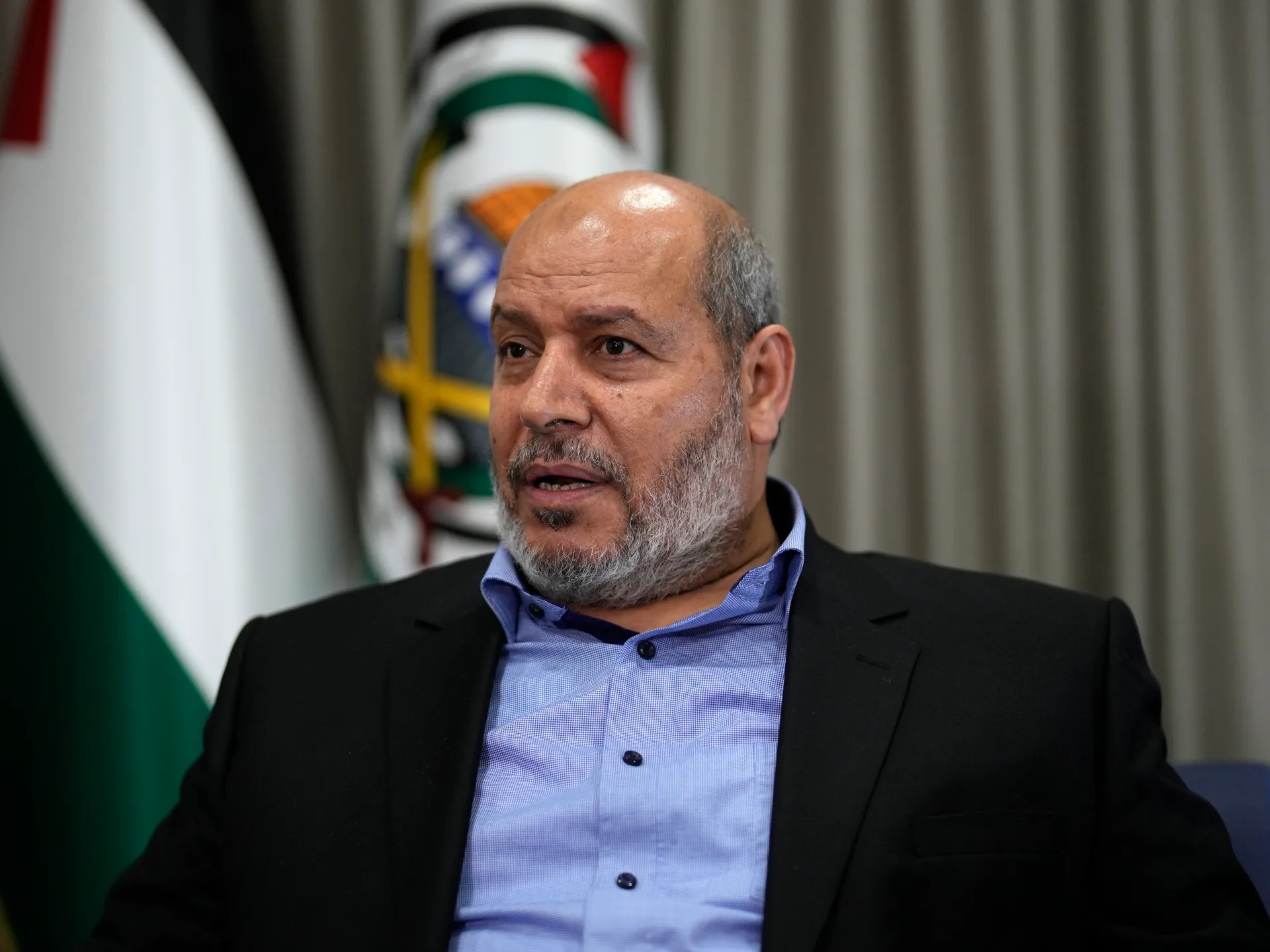
Khalil al-Hayya has been elected as the new head of Hamas, securing 35 of the 69 votes cast in a leadership challenge that saw him defeat former political bureau chief Khaled Meshaal by a single-vote margin. The election concludes nearly two years without a formal leader following the assassination of Yahya Sinwar in October 2024, during which time the group was managed by a five-member leadership council of which al-Hayya was a member.
Al-Hayya, previously the group’s exiled Gaza chief, is characterised by analysts as a pragmatist who has engaged in direct negotiations with US officials, including Special Envoy Steve Witkoff and Jared Kushner. His rapport with Witkoff, which the envoy described as a shared bond between parents who have buried children, suggests a potential pathway for US-led negotiations on Gaza’s future, despite al-Hayya’s historical association with the Iranian-styled Axis of Resistance.
Muhammad Shehada, a visiting fellow with the European Council on Foreign Relations (ECFR), noted that al-Hayya is seen as an organic part of the resistance but is equally comfortable pursuing diplomatic paths. Shehada highlighted that al-Hayya is known inside Hamas as the “father of four martyrs,” including two sons killed before October 7, one killed during Israeli strikes on Doha in September 2025 while discussing Witkoff’s proposal, and one killed subsequently.
Hugh Lovatt, a senior policy fellow at the ECFR, described al-Hayya as a continuity candidate who served as deputy head in Gaza under Sinwar. Lovatt argued that while al-Hayya has been described as hardline and close to Iran, these labels come with heavy caveats. He suggested that al-Hayya’s election is unlikely to fundamentally change the movement’s internal structures or its calibrated support between Arab states and Tehran, indicating that Hamas is not about to come under Iranian control.
Khaled al-Hroub, a professor in residence at Northwestern University in Qatar, stated that the appointment signals that Hamas’s internal processes remain intact despite the killing of most of its political and military leadership. He emphasised that the election also indicates that Gaza retains priority in decision-making, with al-Hayya maintaining a reputational affinity with the territory even as its military functions are depleted and basic civil services continue under the group’s oversight.