Hall of Fame class of 2026 underscores international growth and institutional stability
The Baseball Hall of Fame in Cooperstown has inducted Carlos Beltran, Jeff Kent and Andruw Jones, a class representing three nations and a dozen organisations, as visitor numbers reach record highs.
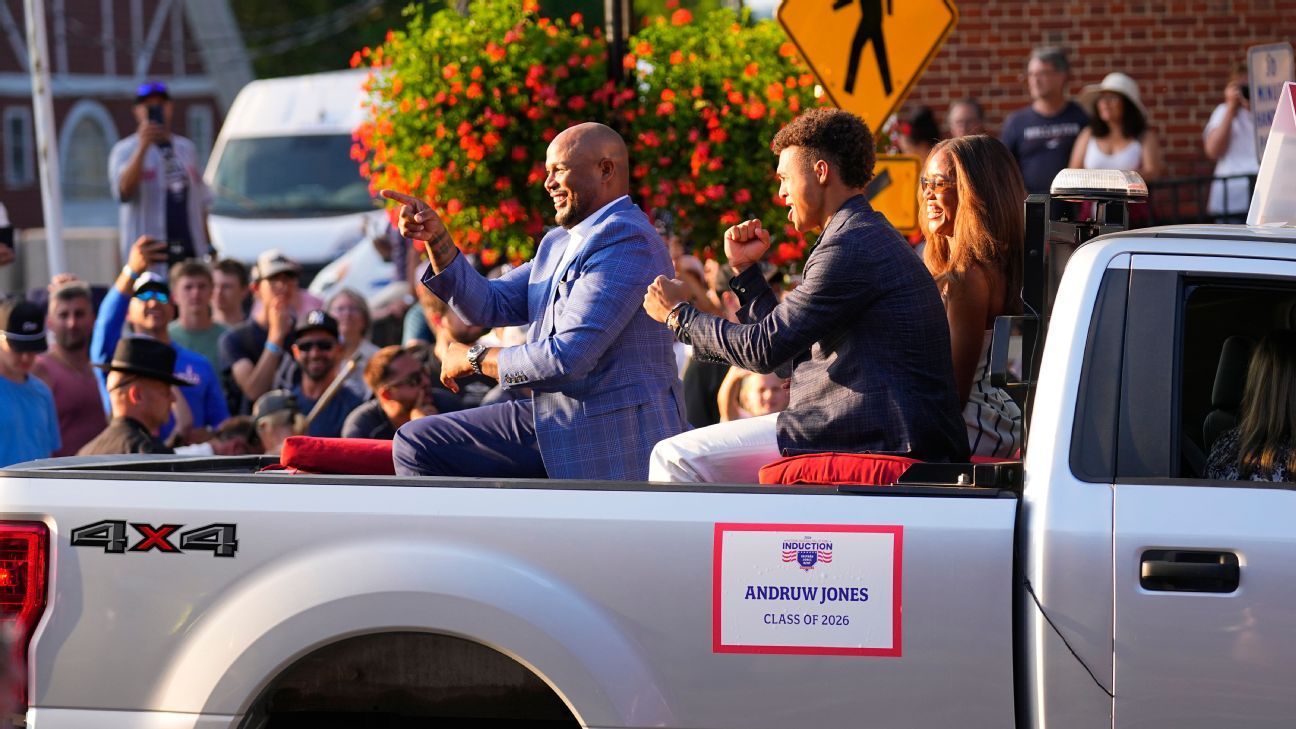
The Baseball Hall of Fame in Cooperstown, New York, inducted Carlos Beltran, Jeff Kent and Andruw Jones into its class of 2026 in July. The trio represents three different nations and a combined dozen Major League Baseball organisations, highlighting the increasing international diversity of the sport and the institution's continued growth.
Attendance at the Hall of Fame has risen for five consecutive years, marking the first such streak since the 1980s. A record 60 Hall of Famers were scheduled to attend the 2026 induction weekend, reflecting the institution's strategy of maintaining membership growth to ensure sustainability. This expansion has allowed the Hall to weather the aftermath of the steroid era controversies and transform a period of uncertainty into one of stability.
The 2026 class includes Andruw Jones, the first Hall of Famer from Curacao, and Carlos Beltran, the sixth from Puerto Rico. Since 2017, 11 players born outside the United States have been inducted, doubling the total from the previous period. This trend aligns with broader demographic shifts in the sport, with MLB reporting that 247 players representing 16 countries and territories outside the 50 US states made Opening Day rosters in 2026.
Jeff Kent was elected by a Hall Era Committee, while Beltran chose to have the New York Mets logo on his Hall of Fame plaque, citing it as the place where he experienced his greatest personal and professional growth. Jones stated that his 1996 World Series debut at age 19 helped open doors for younger players from the Caribbean. Kent acknowledged that playing behind Barry Bonds on the San Francisco Giants helped his career statistics and Hall of Fame candidacy.
Over the 10-year span through 2025, 35 new player members were added to the Hall, the most since the mid-1970s. The average career bWAR for new Hall of Famers over the last decade is 60.5, higher than the previous decade (54.8) but lower than any decade since the mid-1970s. The Hall's membership growth has been driven by a shift away from biases against players associated with multiple teams, a byproduct of the free agent era.