Gustave-Roussy expert highlights experimental targeted therapy for pancreatic cancer
The medical oncologist, speaking to France 24, notes the treatment targets specific genetic drivers in a disease that has remained resistant to recent advances in immunotherapy and precision medicine.
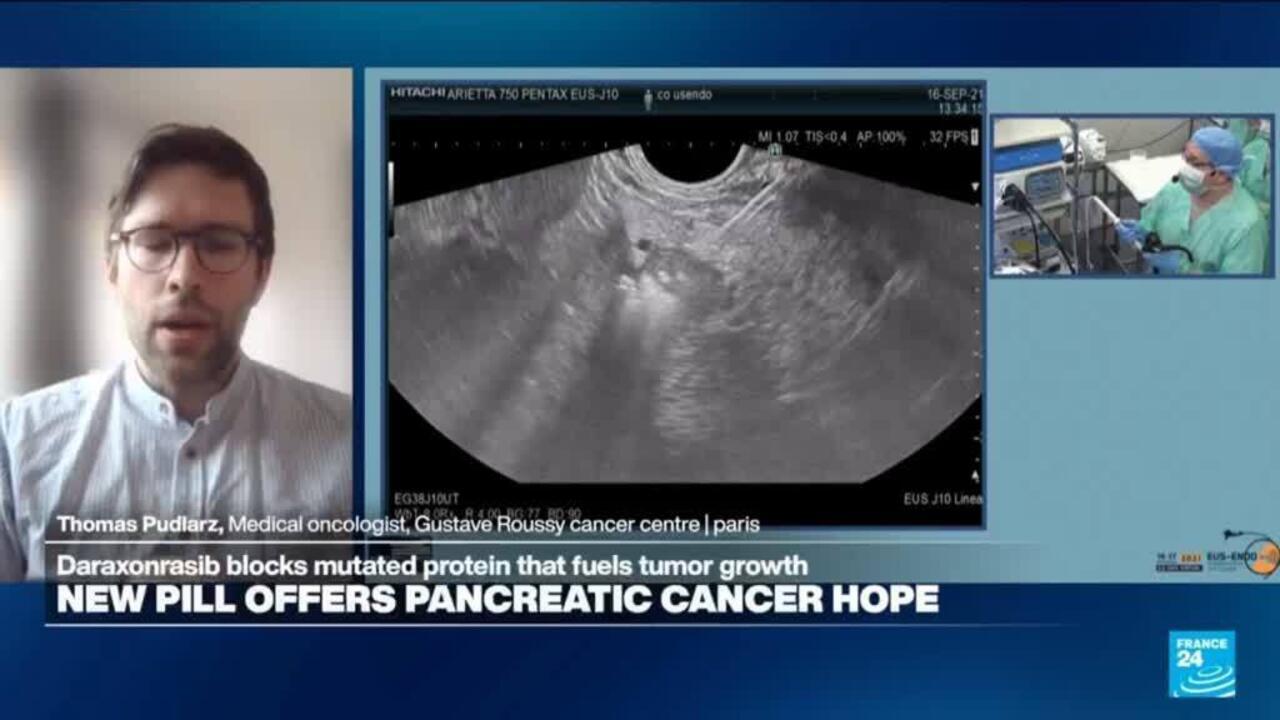
Dr Thomas Pudlarz, a medical oncologist and head of the pancreatic care pathway at the Gustave-Roussy Institute, has endorsed a new generation of experimental targeted therapy designed to inhibit specific gene mutations associated with pancreatic cancer. Speaking to France 24’s Oliver Farry, Dr Pudlarz characterised the emergence of this treatment as one of the first significant improvements in the field in many years.
Pancreatic cancer remains one of oncology’s most formidable challenges, widely recognised as one of the most aggressive and deadliest forms of the disease. Despite major advances in immunotherapy and precision medicine over recent decades, effective treatment options have remained elusive for many patients, leaving a critical gap in clinical management.
The experimental therapy under discussion operates by targeting specific gene mutations, offering a mechanism distinct from broader immunotherapeutic approaches. Dr Pudlarz highlighted that this targeted approach represents a potential shift in how the disease is managed, addressing a long-standing limitation in current therapeutic strategies.
However, the treatment is currently classified as experimental, indicating it has not yet been approved for general clinical use or widely available to the public. Dr Pudlarz’s commentary does not provide specific details regarding the name of the drug, the exact nature of the gene mutations targeted, or data from clinical trials, underscoring the early stage of this development.
The Gustave-Roussy Institute, a leading cancer centre in France, continues to focus on refining pancreatic care pathways through its 'Interception' program. Dr Pudlarz’s role within this framework positions him to evaluate emerging treatments that may eventually transition from experimental status to standard care protocols.
While the development is described as a notable improvement, it is not presented as a definitive cure. The distinction between experimental therapies and approved treatments remains crucial, as the new targeted therapy is not yet accessible outside of specific clinical or institutional settings.
As research into precision medicine continues, the identification of effective gene-targeting mechanisms may provide new avenues for managing pancreatic cancer. For now, the therapy remains a subject of expert interest and further evaluation rather than a widely available solution for patients.