Gunfire at White House Correspondents' Dinner triggers security overhaul and political fallout
Federal probes into the President's safety protocols intensify following a breach at the gala attended by high-ranking officials and media personalities.
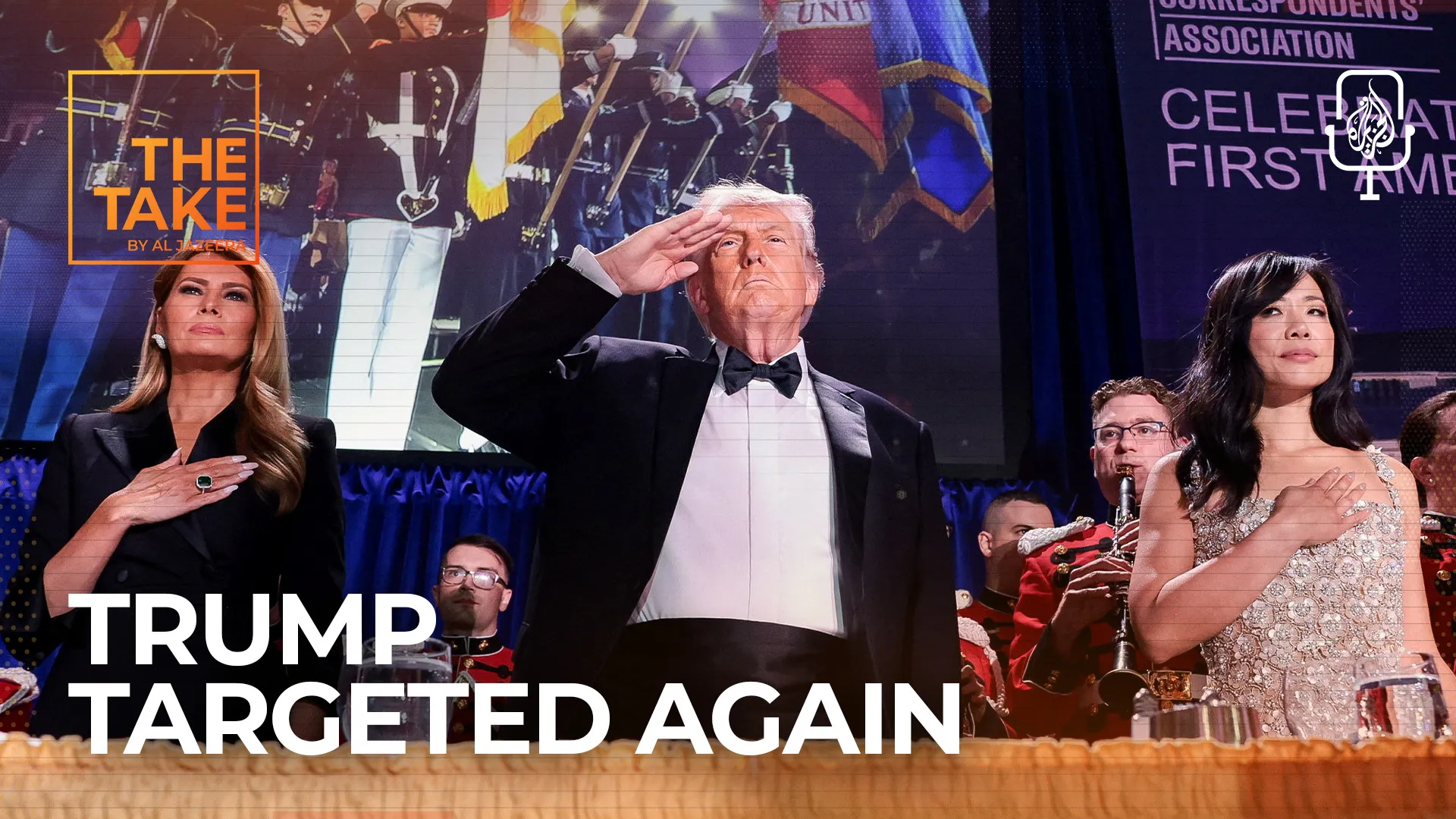
Gunshots erupted at the White House Correspondents' Dinner, throwing Washington's premier annual gathering into immediate disorder. The incident, which occurred at a gala attended by high-ranking US government officials and media personalities, has sparked fresh questions regarding the security arrangements for President Donald Trump and his administration's response to the breach.
Federal investigators have confirmed that the gunman who managed to breach security at the event intended to assassinate President Trump and several top officials. This revelation has elevated the incident from a chaotic disruption to a critical failure in the protective measures surrounding the President, forcing a rapid reassessment of safety protocols.
In the wake of the shooting, security protocols for the White House are now under increased scrutiny. The breach has exposed vulnerabilities that officials must address immediately, leading to urgent debates within the administration about the adequacy of current security frameworks for high-profile events.
The incident has also ignited broader political and security debates surrounding the Trump administration. As the fallout unfolds, the event serves as a stark reminder of the risks inherent in hosting such gatherings and the potential consequences for the President's safety and political standing.
Amidst these domestic security concerns, global diplomatic tensions remain high. King Charles III has arrived in Washington to commence a four-day state visit, an event intended to strengthen trans-Atlantic relations despite strained ties. The timing of this visit against the backdrop of the shooting adds a layer of complexity to the current diplomatic landscape.
Separately, the US Justice Department has dropped a criminal probe into Federal Reserve chair Jerome Powell regarding cost overruns on the Fed's headquarters renovations. While this development concerns federal oversight and financial governance, it stands as a distinct matter from the urgent security crisis unfolding at the White House gala.