Gulf states pivot to Red Sea routes as US-Iran conflict disrupts Hormuz shipping
New data reveals divergent outcomes for regional energy exporters as infrastructure limitations and war risks challenge efforts to bypass the critical waterway.
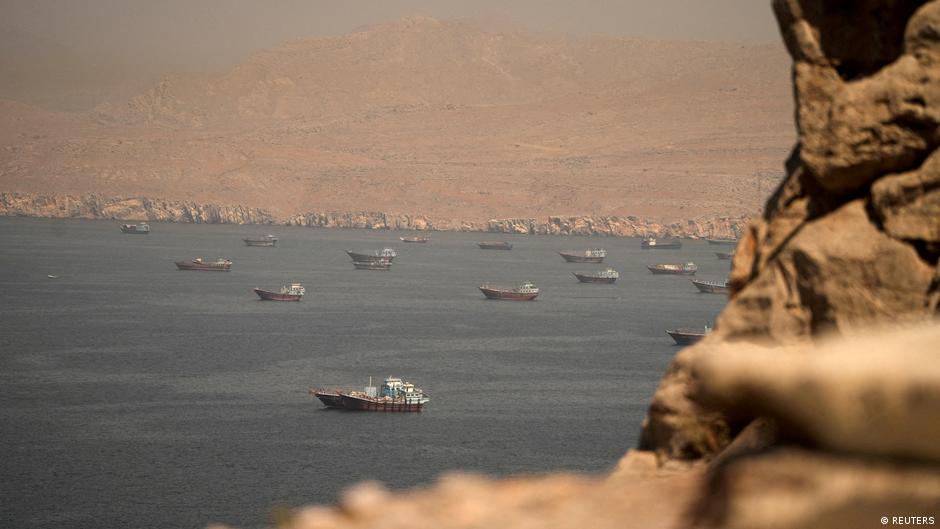
The outbreak of the US-Iran war has severely disrupted shipping through the Strait of Hormuz, prompting Gulf states to urgently seek alternative oil export routes. Saudi Arabia has successfully diverted significant volumes of crude via its East-West Pipeline to the Red Sea port of Yanbu, replacing approximately 61% of the volume previously exported via the Persian Gulf. Conversely, the United Arab Emirates has struggled to bypass the strait due to capacity constraints and security risks at alternative ports.
Data from the International Monetary Fund's Portwatch platform indicates that Saudi cargo shipments from its Gulf coast fell from 47.5 million tons to 6.3 million tons between April and May, while Red Sea exports rose from 29.6 million to 54.8 million tons. This shift demonstrates that the East-West Pipeline serves as a critical tool for maintaining export flows during a Hormuz closure, despite recent maritime blockades declared by Iran-backed Houthi rebels in Yemen.
The United Arab Emirates has experienced less success in bypassing the strait; traffic through its Persian Gulf coast ports fell from 68.5 million tons to 12 million tons, and alternative port traffic declined from 13.7 million tons to 6.3 million tons during the same period. While the UAE possesses the Abu Dhabi Crude Oil Pipeline and deepwater facilities at Fujairah, these locations remain vulnerable to drone and missile attacks, and physical capacity limits prevent them from immediately replacing the throughput of major Persian Gulf facilities.
Economist Hassan Mansour estimates that new pipeline projects, such as a Basra-Aqaba connection, could take five to seven years to complete and cost between $8 billion and $10 billion, while a Basra-Oman link could cost $10 billion to $15 billion. Israeli Prime Minister Benjamin Netanyahu has proposed a network of oil and gas pipelines running west through the Arabian Peninsula to Israel's Mediterranean ports to permanently eliminate chokepoints, though experts warn such infrastructure remains susceptible to attacks in wartime.
Iranian political analyst Rahman Ghahremanpour warned that prolonged closure of the Strait of Hormuz risks uniting a broader international coalition against Tehran, which remains Iran's primary objective to avoid. He noted that while alternative routes can reduce vulnerability, they cannot solve the immediate problem, as existing bypass capacity represents only a fraction of the 20 million barrels of oil that previously passed through the strait daily.