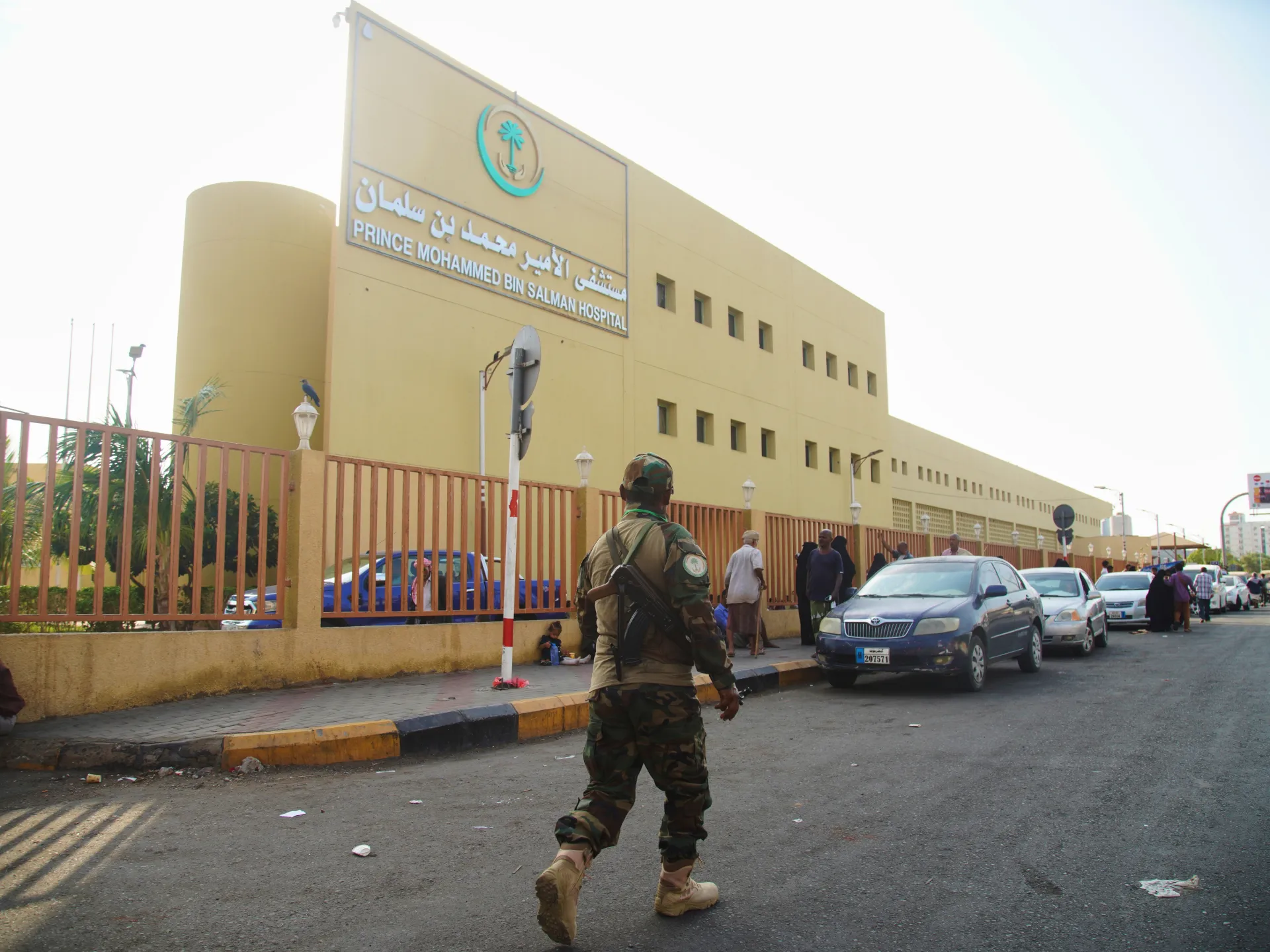
Gulf states pivot to hybrid security models as US-Iran ceasefire looms
With Washington and Tehran nearing a deal, regional experts argue that reliance on external guarantors is insufficient, pointing toward bilateral agreements and local defence investment as the new standard for stability.
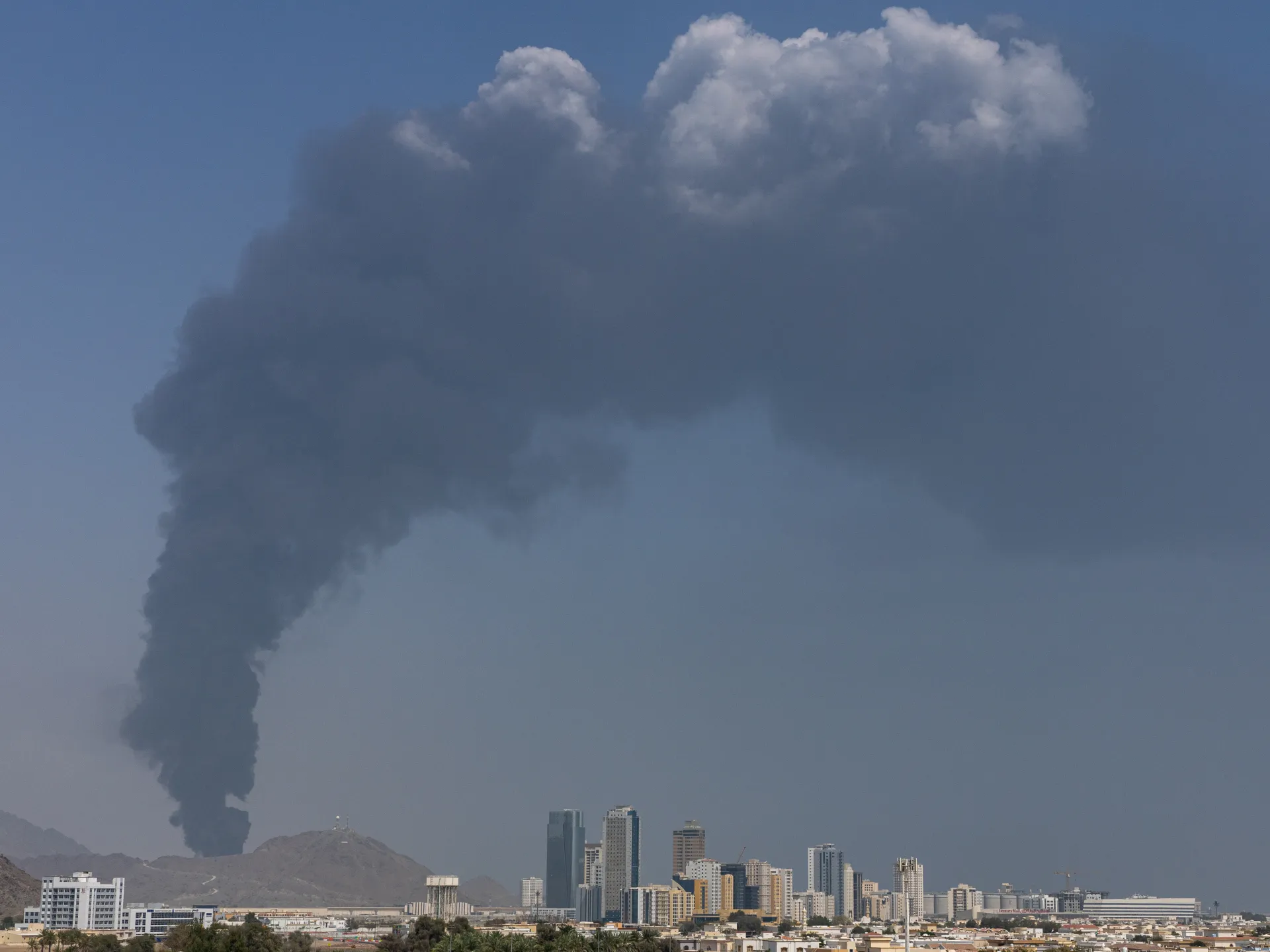
As the United States and Iran move toward a ceasefire agreement, Gulf Cooperation Council states are fundamentally reassessing their collective security strategies. The conflict, which began on 28 February 2026, has exposed significant limitations in the US security umbrella, with Iranian drone and rocket attacks killing at least 28 people across GCC territories despite Gulf protests that no attacks on Iran were launched from their soil.
The war has challenged the prevailing security model that has defined the region since the 1980s. Mahjoub Al-Zuwairi, an academic and expert on Middle East politics, noted that countries have historically aligned their security with broad international alliances to provide deterrent and logistical depth. However, the presence of US forces on their territory has directly made Gulf states targets, leading experts to describe the US security umbrella as moribund or ineffective in the current climate.
Simon Mabon, professor of international relations at Lancaster University, stated that the war has pierced the sense of security provided by American guarantees. He argued that while the region has long relied on these arrangements, the reality of geography means Iran cannot be ignored. Mabon suggested that Gulf states must find a way to deal with this reality rather than relying solely on Washington, which primarily protects its own interests.
Economic disruptions have further complicated the security landscape. The closure of the Strait of Hormuz has disrupted energy exports, though impacts have varied. Saudi Arabia redirected some oil exports through its East-West pipeline to the Red Sea, and Oman benefited from rising energy prices as its ports lie outside the strait. Conversely, the UAE, Bahrain, Kuwait, and Qatar have been more heavily affected due to their dependence on the waterway, highlighting the need for diversified economic and security arrangements.
In response to these vulnerabilities, experts suggest a shift toward hybrid security models. This approach would maintain ties with Washington while exploring deeper regional engagement with Iran, increased local defence investment, and strengthened bilateral ties. A potential blueprint for this is the mutual defence agreement between Saudi Arabia and Pakistan, signed in September 2025, which stipulates that an attack on one country would be considered an attack on both.
Diplomatic momentum is currently high, with US President Donald Trump cancelling new strikes on Iran and declaring a deal imminent. Pakistani Prime Minister Shehbaz Sharif has made comments suggesting a deal has been finalised, although a senior Iranian official told Al Jazeera that Tehran is still reviewing a proposed Memorandum of Understanding with Washington.
The conflict has also reignited discussions about regional security frameworks, such as the 2019 Hormuz Peace Initiative, which proposed a security structure involving Iran, Iraq, and the six GCC states. However, Al-Zuwairi noted that the distrust fostered since then, particularly Tehran’s strikes on its neighbours, makes such a formation unlikely in the near future.
Ultimately, the war has demonstrated that external guarantors may not always align with regional stability. Al-Zuwairi concluded that the security of the Gulf will not be created in Washington but must be built by Gulf countries themselves, as those closest to the flames are the ones who pay the price when fires start.