Gulf states pivot to defence pacts and domestic crackdowns 100 days into Iran conflict
One hundred days after US-Israeli strikes on Iran, GCC nations face severe economic disruption and a strategic reassessment of alliances, moving away from reliance on the US toward new defence agreements with France, Canada, and Israel.
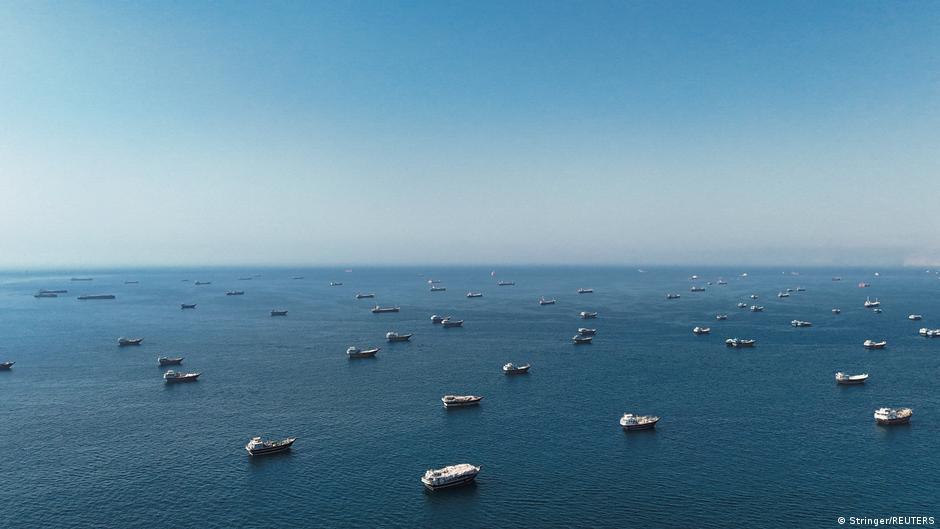
One hundred days after the United States and Israel launched joint strikes on Iran on 28 February, Gulf Cooperation Council states are grappling with severe security and economic consequences. The conflict, characterised by Iranian drone and missile attacks on regional infrastructure and a dual blockade of the Strait of Hormuz by Iran and the US, has disrupted trade, halted tourism, and damaged energy assets. While Qatar faces significant repair delays and Bahrain’s economic outlook has been downgraded, Saudi Arabia and the UAE have mitigated some impacts through alternative export pipelines and independent oil production decisions. The war has shattered the region’s image as a safe haven, prompting Gulf governments to pursue new defence pacts with France, Canada, and Israel, while simultaneously cracking down on domestic dissent.
The economic fallout has been swift and damaging, disrupting the ambitious diversification plans many Gulf states had implemented to reduce dependence on oil revenues. Tourism and aviation sectors have been particularly hard hit, with Dubai International Airport struck by drones in March, leading to the cancellation of more than 30,000 flights. Financial analysis firm Moody’s forecast that hotel occupancy in Dubai would plummet from 80% to 10% in the second quarter of 2026, while the World Bank cut its economic growth forecast for the GCC from 4.4% to 1.3%. Jet fuel prices have almost doubled year-on-year due to the blockage of the Strait of Hormuz, further straining the region’s logistics and aviation industries.
Energy infrastructure has also suffered significant damage, with QatarEnergy stating it would take up to five years to repair the Ras Laffan industrial hub after it was struck by an Iranian ballistic missile. QatarEnergy’s chief executive, Saad Al Kaabi, told the BBC that the scale of the damage had set the region back by 10 to 20 years. Oil and gas exports from Bahrain, Kuwait, and Qatar remain disrupted, with Moody’s recently downgrading Bahrain’s outlook from stable to negative. In contrast, Saudi Arabia and the UAE have utilised bypass infrastructure to mitigate some impacts. Saudi Arabia has diverted output to its east-west pipeline to the Red Sea, while the UAE uses a local onshore pipeline from Habshan to Fujairah. Additionally, the UAE’s departure from OPEC+ on 1 May 2026 allows it to make independent oil production decisions.
The security landscape has undergone a fundamental shift, with Gulf governments moving away from the assumption that they can rely exclusively on the US for their protection. Analysts note that the war has prompted a sea change in perceptions of security and politics, leading to new defence pacts. In May, the UAE signed a deal with France, and Qatar signed a new Memorandum of Understanding with Canada. Israel reportedly sent its Iron Dome air defense system and operating personnel to the UAE for the first time, marking a significant deepening of security cooperation. Despite these moves, the UAE has refrained from completely severing diplomatic ties with Iran, instead adopting a rhetoric of de-escalation and regional coexistence.
Domestically, the conflict has triggered a severe crackdown on dissent, with human rights watchdog Amnesty International reporting more than 1,000 arrests in a sweeping war-related crackdown on expression. Heba Morayef, Amnesty International’s regional director for the Middle East and North Africa, warned that the current crackdown goes far beyond what is permitted under international law. Think tank analysts describe this as part of a new normal where Gulf states must manage Iran as a permanent presence, predicting an even more authoritarian approach to governance. The suppression of freedom of expression, occasioned by the pressures of an active war, is viewed by some observers as a symptom of weakness that could outlast the conflict itself.