Gulf states deepen African footprint with $100 billion investment drive
New data reveals significant capital flows from the Gulf Cooperation Council into Africa, raising questions about industrialisation and long-term economic dependency.
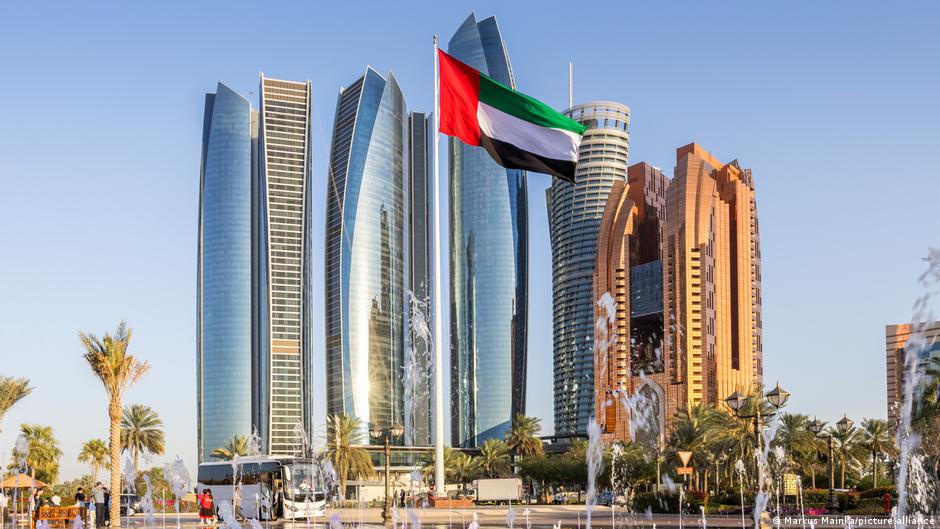
Wealthy Gulf states are significantly expanding their economic presence across the African continent, with the United Arab Emirates and Saudi Arabia leading a trend that has seen over $100 billion invested by Gulf Cooperation Council nations in the past decade. A prominent recent development involves ADNOC Distribution, the Abu Dhabi-based petroleum retailer, acquiring Shell’s fuel business in South Africa for approximately $1 billion. This transaction secures Abu Dhabi’s position in the African fuel market and serves as a tangible example of a broader strategic shift.
According to analysis by the UK-based think tank Chatham House, the UAE has contributed around $59 billion of this total, while Saudi Arabia has invested $26 billion. Experts attribute this surge to a need for Gulf states to diversify away from hydrocarbons, secure critical trade routes, and access raw materials such as copper, cobalt, and lithium. These commodities are essential for the development of electric vehicles and artificial intelligence, sectors that are increasingly vital to the global economy.
The investment strategies of individual Gulf states vary considerably. The UAE is viewed as the most involved, linking its commercial interests directly to foreign policy and security goals. By focusing on ports and logistics, the UAE aims to project political influence and challenge Saudi Arabia’s regional standing. In contrast, Saudi Arabia is described as more selective, concentrating on energy sectors and development financing through bilateral channels and multilateral institutions like the Islamic Development Bank.
For many African nations, this influx of capital arrives at a critical juncture. Estimates from the African Development Bank indicate that the continent’s financial needs are growing even as Western development funding shrinks and China reduces the volume of loans on offer. Unlike Chinese financing, which often takes the form of loans, Gulf states prefer direct investment. This approach offers African states financing with fewer political conditions, allowing them to broaden their international alliances without becoming overly dependent on a single partner.
However, the long-term implications of these investments remain a subject of debate. Think tanks such as Chatham House and the Brookings Institution have warned that current investments are heavily concentrated on ports, supply chains, and raw material extraction, which primarily serves the strategic interests of the financing states. There are concerns that this model reduces African nations to mere suppliers of unprocessed materials, potentially creating new dependencies and hindering local industrialisation.
Maddalena Procopio, a senior policy fellow at the European Council on Foreign Relations, noted that the UAE’s development model is inherently outward-looking due to its small domestic size, necessitating extensive global trade relationships. Conversely, Saudi Arabia, as a larger country, aligns its foreign trade goals more closely with its own domestic economic transformation plans. The disparity in their approaches reflects these foundational economic differences.
Ultimately, the success of these financial partnerships will depend on how African nations utilise the incoming capital. Both the Brookings Institution and the African Development Bank emphasise that foreign direct investment can only be sustainable if it supports domestic industry and long-term growth. The challenge for African governments lies in ensuring that these billions in Gulf investment translate into tangible industrialisation rather than simply reinforcing existing extractive structures.