Gulf states accelerate defence integration as Iranian attacks expose air defence vulnerabilities
Iran’s renewed offensive against military bases in Bahrain, Kuwait, Oman, Qatar, the UAE and Jordan has forced Gulf governments to confront the high cost of intercepting low-cost drones and the security risks of hosting American forces.
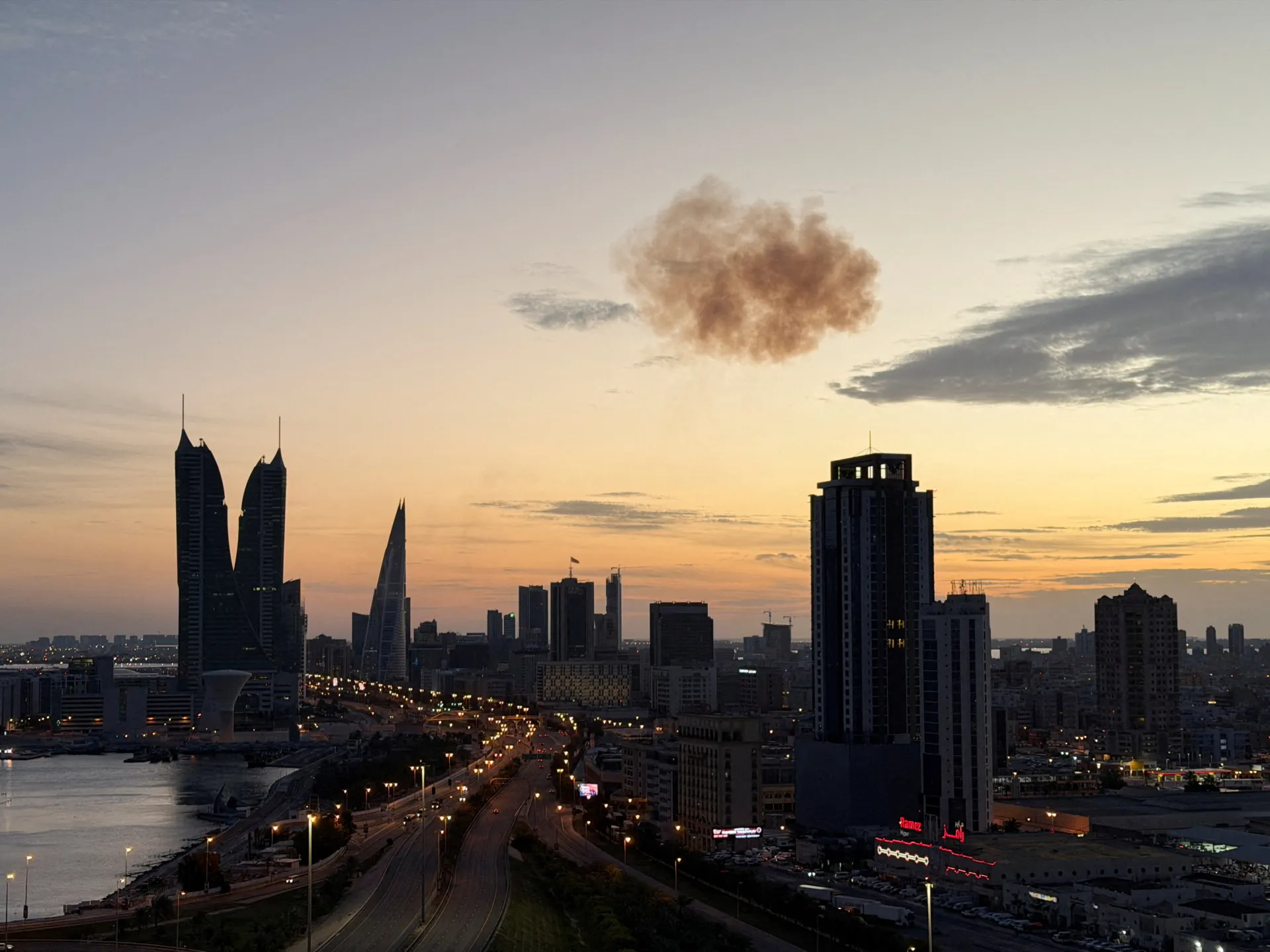
Iran has launched a fresh wave of missile and drone attacks targeting United States military installations across Bahrain, Kuwait, Oman, Qatar, the United Arab Emirates and Jordan. The strikes follow renewed American bombardment of Iran’s southern coast, including port cities such as Bandar Abbas, Sirik and Jask, as well as Qeshm island. The escalation occurred less than a month after Washington and Tehran signed a memorandum of understanding intended to halt a conflict that began on 28 February following strikes by Israel and the United States.
Both sides have accused each other of violating the agreement, with tensions centring on the Strait of Hormuz. Iranian forces have attacked commercial vessels off the coast of Oman, while the United States stated on 8 July that it had hit Iranian military positions involved in threats to shipping. Iran responded by firing missiles and drones at bases across the Gulf where US forces are deployed, claiming hits on a fuel depot in Jordan, a helicopter maintenance facility in Bahrain, fuel tanks in Kuwait and a Patriot air defence system. The Islamic Revolutionary Guard Corps also claimed to have destroyed radar systems in Oman, though these specific damage claims have not been independently verified.
The attacks have exposed an uncomfortable paradox for Washington’s regional partners. The presence of an estimated 50,000 US soldiers across at least 19 locations in the Middle East and North Africa provides protection but also renders Gulf states targets. Qatar reported three injuries, including a child, from falling shrapnel during the interception of an Iranian missile. Gulf governments have insisted their territory is not being used as a launchpad for strikes on Iran, yet their airspace remains contested as missiles and drones enter sovereign territory.
Gulf states have spent decades building layered air defence networks, combining systems from the United States, Europe, Russia, China and Israel. Saudi Arabia possesses the region’s largest network, anchored by US-made Terminal High Altitude Area Defense systems and Patriot batteries. The UAE operates similar systems alongside Israeli platforms, while Qatar, Kuwait and Bahrain have invested heavily in Patriot and NASAMS systems. Despite these capabilities, the economic vulnerability of these systems is becoming apparent. Iran’s Shahed drones can be produced for as little as $30,000, while advanced interceptor missiles cost millions each. Analysts warn that sustained campaigns could deplete interceptor stocks and stretch logistics, forcing a contest of endurance rather than just technology.
In response, Gulf governments are accelerating regional cooperation, including sharing radar data, tracking missiles across borders and coordinating warning systems. Saudi Arabia signed a mutual defence pact with Pakistan last September, stating an attack on one is considered an attack on both, while the UAE and Bahrain have deepened security ties with Israel. Defence industry responses include producing lower-cost interceptors to match the economics of asymmetric threats. Global oil inventories remain depleted, with some unable to be replenished during the ceasefire period, adding economic pressure to the security dilemma.