Gulf states accelerate bypass infrastructure to end Strait of Hormuz energy dominance
Existing Saudi and UAE conduits are running at maximum capacity, prompting calls for a dramatic scaling of bypass projects and new international routes to replace exports that previously flowed through the narrow waterway.
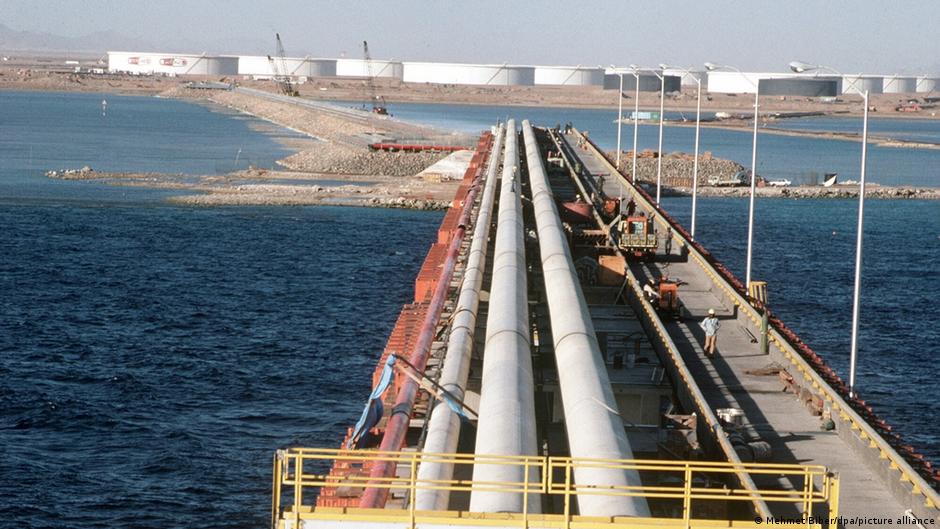
The temporary closure of the Strait of Hormuz in late February has forced a fundamental reassessment of global energy logistics, with Gulf leaders now prioritising infrastructure that renders the narrow waterway obsolete. The conflict between the United States, Israel and Iran stranded hundreds of tankers and disrupted approximately 20 per cent of the world's energy supply, exposing the vulnerability of a system that has relied on the strait for decades.
In response to this exposure, Saudi Arabia and the United Arab Emirates are actively considering new oil pipelines to run parallel with existing structures, alongside expanded export terminals on alternative coastlines. The existing 1,200-kilometer Saudi East-West Pipeline is currently operating at its maximum capacity of 7 million barrels per day, an increase from 5 million barrels per day prior to the war. Simultaneously, the UAE is piping an additional 1.8 million barrels per day to its Fujairah port, yet experts note that doubling current infrastructure would still be required to fully replace the volume of crude that previously transited the strait.
International bodies are also proposing significant new routes to diversify export pathways. The International Energy Agency is calling for a major pipeline from Iraq to Turkey's Mediterranean port of Ceyhan, with officials suggesting that financing issues can be overcome. Iraq has advanced the $4.6 billion Basra–Haditha segment to the bidding stage, with potential future extensions to Jordan's Red Sea port of Aqaba or Syria, capable of delivering up to 3 million barrels per day in phases.
Beyond crude oil, Gulf states are expanding rail and road networks to diversify freight exports and permanently derisk the region's energy security. The GCC Railway aims to deliver a 2,100-kilometer integrated network across all six GCC states by 2030 to facilitate non-crude freight. The UAE's Etihad Rail has ramped up freight services to shift containers away from vulnerable Gulf ports toward safer eastern outlets, while Saudi Arabia has increased capacity on its rail network to handle stranded cargo.
While these measures provide a buffer, the scale of the challenge remains significant. Robin Mills, CEO of Qamar Energy, noted that many bypass plans had been afoot for years but stalled due to distance, cost and regional rivalries. Kuwait, Bahrain and Qatar face particular geographical problems as they have no alternative coastlines and almost all their hydrocarbon exports transit the strait, meaning they would likely require long pipelines through Saudi Arabia or Iran involving complex political negotiations.
Landon Derentz of the Atlantic Council has called for the US administration to back new bypass projects with US funding to scale the Saudi model, arguing that the United States and its partners should rapidly build around the chokepoint rather than forcing ships through it. Whether Gulf states can muster the political will to clear the remaining hurdles will determine if this crisis marks the beginning of the end of the Strait of Hormuz's stranglehold on global energy.