Gulf nations weaponise nationality laws amid regional conflict
Authorities cite treason and collaboration with hostile forces, yet critics warn the Iran war is being used to target minority communities and silence dissent.
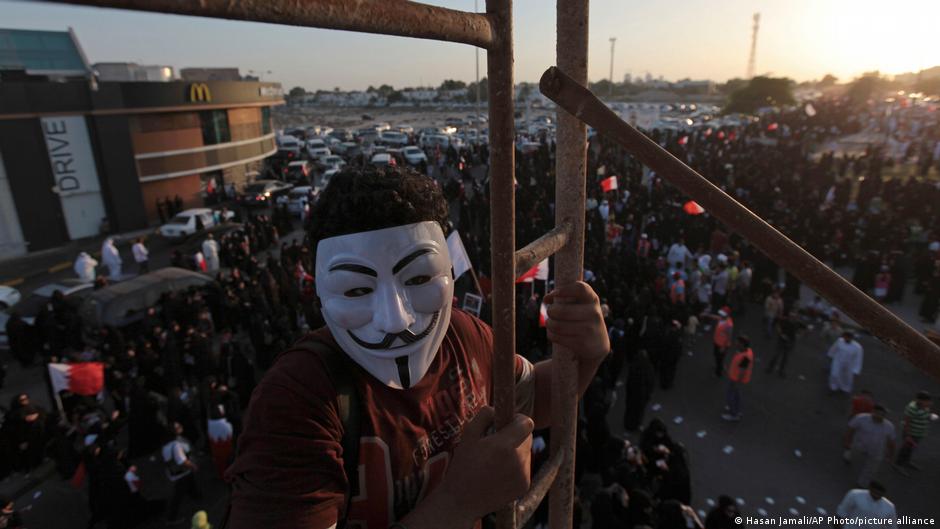
Several Gulf states, including Bahrain, Kuwait, Oman, and the United Arab Emirates, are actively reviewing or revoking the citizenship of citizens accused of disloyalty or sympathising with Iran during the ongoing conflict. While authorities cite national security concerns regarding treason and collaboration with hostile forces, human rights organisations and legal experts warn these measures are being weaponised to suppress political dissent and target specific minority communities.
The trend has resulted in the loss of nationality for over 70,000 Kuwaitis and nearly 1,000 Bahrainis, with estimates suggesting the true figure in Kuwait could rise to 300,000 when dependents are included. Experts caution that the war is intensifying existing controls on nationality as a tool of political control rather than creating entirely new practices. In Bahrain, the government announced a review of citizenship for anyone deemed "disloyal" following a surge in arrests of individuals posting anti-war messages or expressing sympathy for Iran in March.
Kuwait launched a campaign to revoke citizenship in March 2024, with mid-April updates to its laws resulting in further revocations. Oman updated its citizenship laws in February 2025, allowing for the withdrawal of nationality if citizens commit verbal or physical offenses against the Sultanate or join organisations deemed harmful to the country, though definitions remain vague. The UAE has reportedly revoked residency permits for Iranians living there, a move authorities deny but which has been corroborated by media interviews with affected individuals.
Critics argue that these dynamics affect a whole range of different communities, not only Shia minorities but also citizens of Persian descent, including Sunnis. In Bahrain, where the ruling Sunni royal family governs a population estimated to be over 50% Shiite, the measures appear designed to exploit historical tensions. The practice of stripping citizenship to create statelessness was notably used by Bahrain in 2012 against opposition figures during the Arab Spring, a precedent now being revisited.
International legal experts warn that the Iran war is acting as a catalyst to intensify existing citizenship controls. A 2026 report by the Global Citizenship Observatory notes that Kuwait's evolving nationality regime reveals how citizenship can be transformed into a political instrument of control. Lindsey Kingston, a professor of international human rights, states that while states have been weaponising citizenship for a long time, the nature of that weaponisation is changing, with citizenship increasingly viewed as a privilege rather than a fundamental right.
The erosion of international law norms is also cited as a factor emboldening these actions. With the International Court of Justice investigating allegations of genocide by Israel in Gaza, some experts argue that a wider context of legal impunity allows Gulf states to disregard human rights norms regarding statelessness. Analysts suggest the conflict has upset the fragile balance between controlled reform and political stability in the Gulf, leading to a regression in rights protections.