Gulf ceasefire tested as US and Iran exchange strikes in escalating confrontation
American forces strike Iranian radar sites while Tehran targets US bases in Kuwait and Bahrain, highlighting the fragility of the April truce amid stalled negotiations.
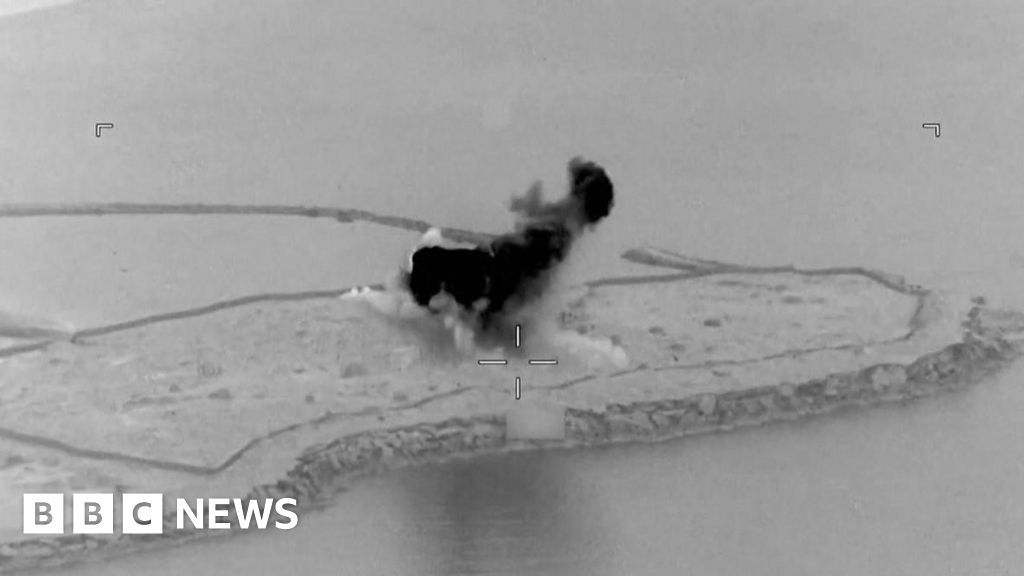
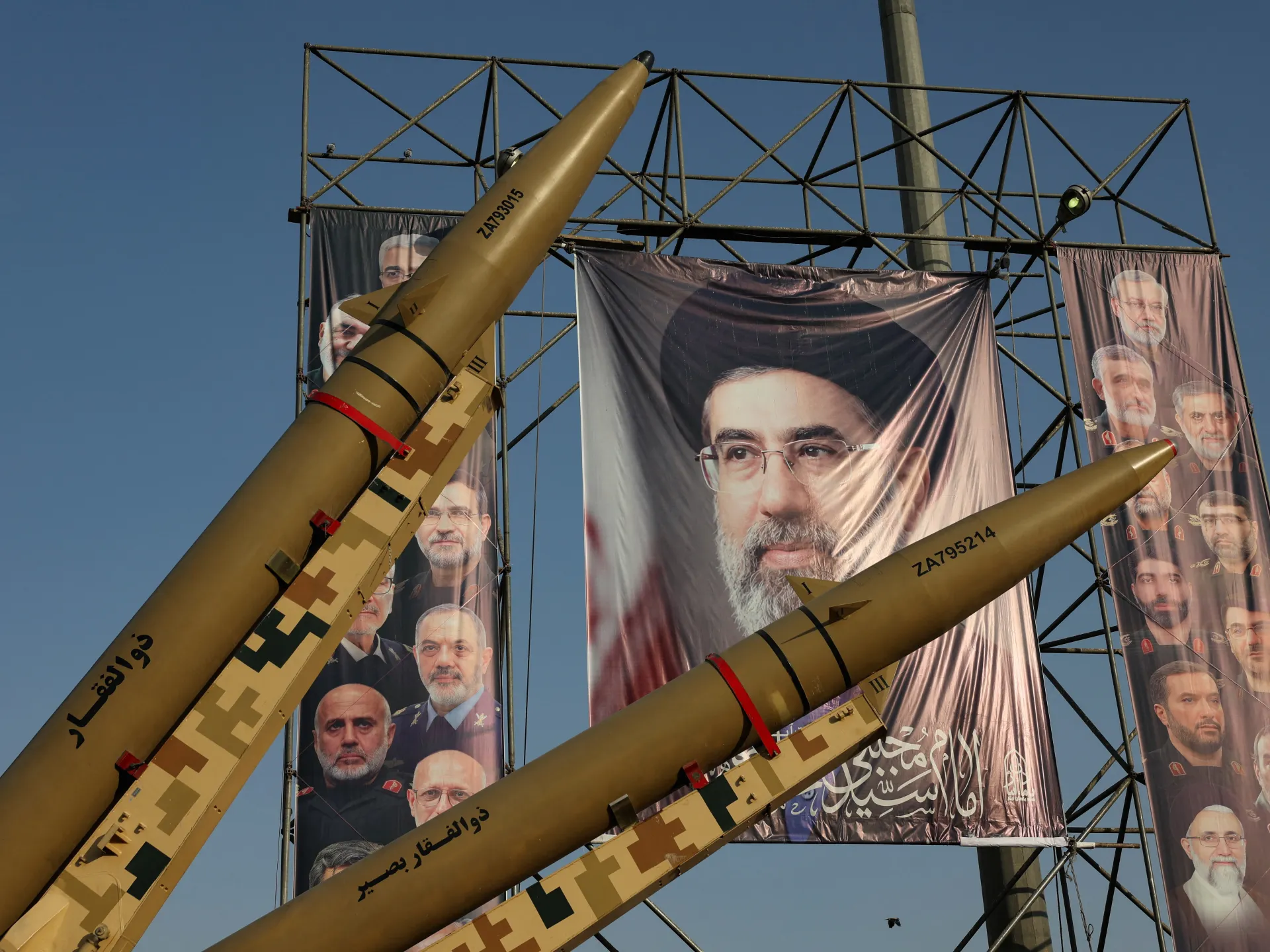
The fragile ceasefire between the United States and Iran has faced a significant challenge following a coordinated exchange of military strikes in the Gulf region. US Central Command confirmed that American forces shot down four Iranian "one-way attack drones" directed at the Strait of Hormuz, describing the projectiles as an immediate threat to regional maritime traffic. In response to the aerial threat, US military assets struck Iranian coastal surveillance radar sites located in southern Iran, specifically in Goruk and on Qeshm Island, to prevent further attacks.
Tehran retaliated swiftly, with Iranian state media reporting that ballistic missiles were fired at two US air bases in Kuwait and facilities belonging to the US Navy in Bahrain. According to initial assessments from US Central Command, six of the seven Iranian missiles launched at the two Gulf states were intercepted, while a seventh failed to reach its intended target. The Islamic Revolution Guard Corps (IRGC) stated that these strikes were a direct response to previous US military actions against an Iranian oil tanker and infrastructure on Qeshm Island.
This escalation occurs just days after a separate incident involving Iranian drone strikes on Kuwait’s international airport, which resulted in one death and more than 60 injuries. The IRGC has denied responsibility for the airport attack, attributing the damage to a malfunctioning US missile interceptor. US Central Command has rejected this claim, characterising the incident as a deliberate and unjustified attack by Iran.
The military exchanges take place against a backdrop of stalled diplomatic negotiations. Reports indicate that President Donald Trump has requested changes to the terms of a prospective agreement, leading to accusations from Iran’s foreign ministry that the United States is constantly altering its position and presenting contradictory demands. The conflict, which began with wide-ranging strikes by the US and Israel on 28 February, previously saw Iran effectively close the Strait of Hormuz, disrupting the transport of approximately 20 per cent of the world’s oil and liquefied natural gas.
Despite the ongoing hostilities and the US maintaining a blockade of Iranian ports, diplomatic anomalies persist. The United States has granted visas to Iran’s World Cup football team for their match in Los Angeles on 15 June, marking the first time a host nation has received a team from a country with which it is at war. Concurrently, diplomatic friction has emerged between Tehran and Beirut, with Iranian Foreign Minister Abbas Araqchi rejecting allegations from Lebanese President Joseph Aoun that Iran is using Lebanon as a bargaining chip in its negotiations with Washington.