Gulf ceasefire strained by US-Iran clashes as Lebanon death toll surpasses 3,500
Tensions escalate in the Gulf as military engagements test the existing truce, while Lebanese authorities report a rising casualty count from Israeli strikes.
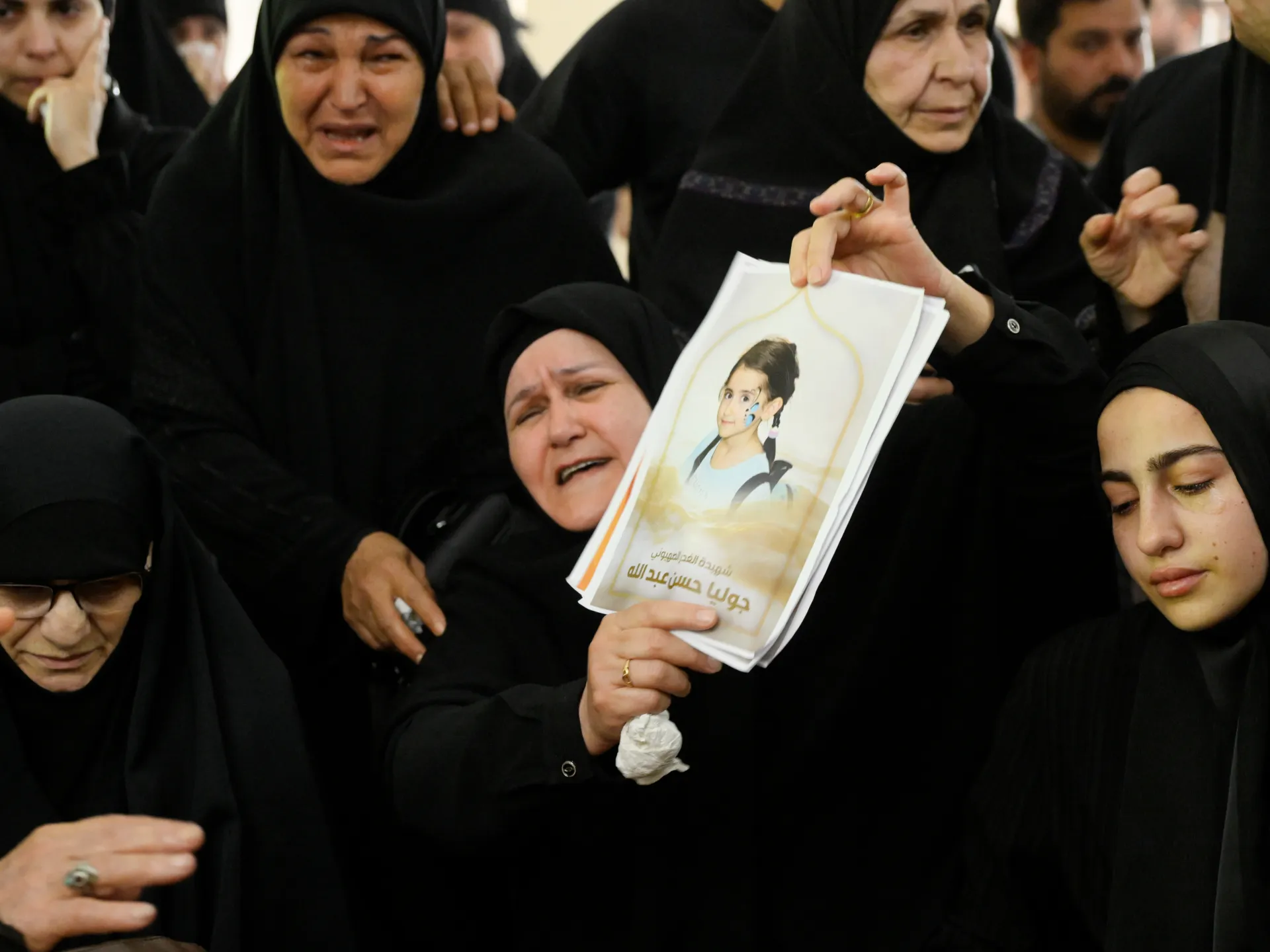
Diplomatic and military stability in the Gulf region is facing renewed scrutiny following the latest clashes between the United States and Iran. The engagements have placed significant strain on the existing ceasefire arrangement, with observers noting that the limits of the truce are being actively tested. The incident underscores the fragility of current de-escalation efforts in a region where tensions have remained persistently high.
Concurrently, the conflict in the Middle East has resulted in a significant escalation of casualties in Lebanon. According to data released by Lebanon’s Health Ministry, 3,516 people have been killed by Israeli attacks on the country since March. The figures, reported by the Al Jazeera Global News feed, highlight the intensifying human cost of the ongoing hostilities in the area.
The recent military exchanges between the United States and Iran mark a critical development in the broader geopolitical landscape. While the specific operational details of the clashes are not fully elaborated in the available reporting, the occurrence of direct engagements between the two powers suggests a potential shift in the regional security dynamic. The testing of the ceasefire raises questions about the durability of diplomatic agreements in the face of escalating military activity.
The rising death toll in Lebanon adds another layer of complexity to the regional crisis. The Lebanese Health Ministry’s report of 3,516 fatalities since March indicates a sustained period of violence. This data point, sourced from official Lebanese health authorities, provides a grim metric for the impact of the Israeli attacks on the civilian population and infrastructure within the country.
As the situation evolves, the interplay between the US-Iran tensions in the Gulf and the ongoing conflict in Lebanon presents a challenging environment for regional governance. The simultaneous pressure on the ceasefire and the rising casualty figures suggest that the current diplomatic frameworks are under severe stress. Stakeholders are closely monitoring these developments as the region navigates a period of heightened instability.