Gulf allies reject Trump’s Iran-Israel deal conditions amid diplomatic standoff
Reports indicate significant resistance from regional powers as Washington seeks to link a peace agreement with Iran to Arab recognition of Israel.
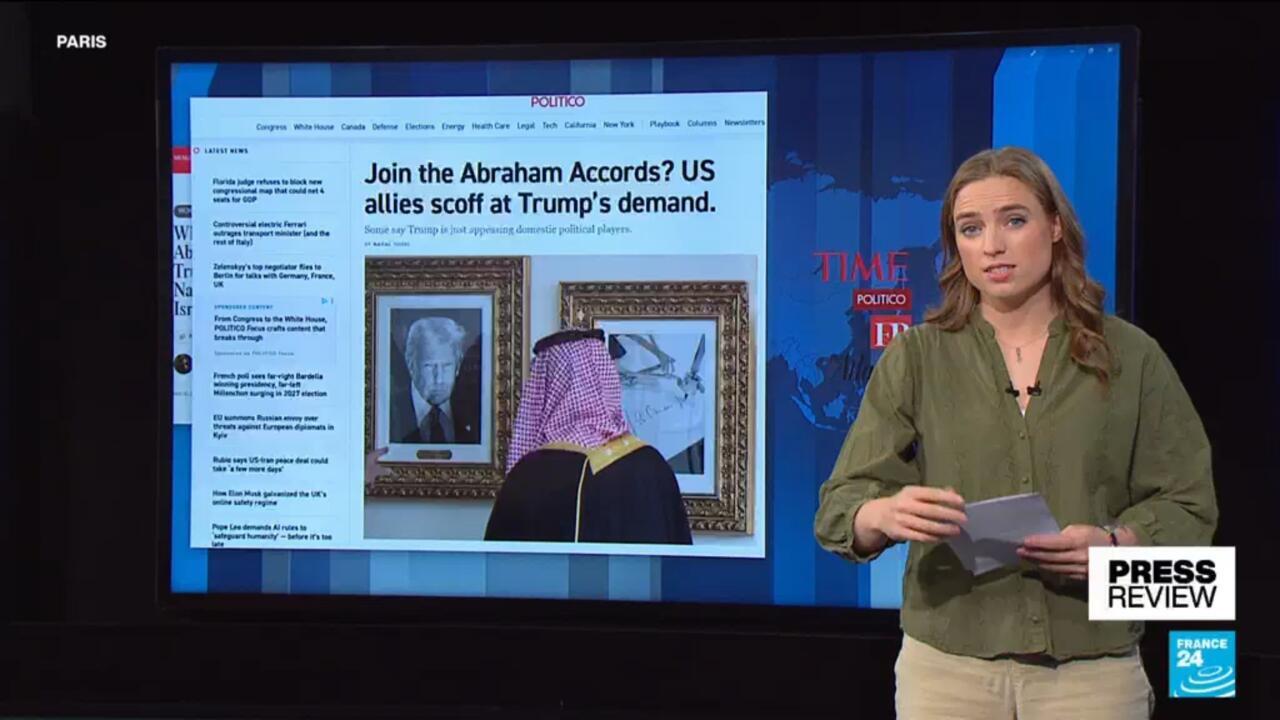
US President Donald Trump’s diplomatic initiative to broker a peace agreement with Iran has encountered substantial resistance from key allies in the Gulf region. According to reports from Politico, the President’s demands for Gulf leaders to formally sign the Abraham Accords were met with laughter, dismissal, and silence during recent meetings.
Time Magazine has outlined the core of Washington’s strategy, noting that Trump is linking a potential deal with Iran to the requirement that Arab nations recognise Israel. In pursuit of this objective, the President reportedly reached out to leaders in Saudi Arabia, the United Arab Emirates, Qatar, and Pakistan, urging them to endorse the previous peace frameworks that normalised relations between Israel and several Arab states.
The reception of these demands suggests a growing divergence in strategic priorities. Foreign Policy argues that the ongoing conflict involving Iran has fundamentally reshaped the Gulf, with regional countries refusing to align exclusively with any single power. This analysis indicates that Gulf states are unwilling to "lurch" towards one side, complicating US efforts to consolidate a unified regional front.
Further scrutiny of the President’s diplomatic tactics has emerged from The Atlantic, which published analysis questioning the outcomes of his negotiations. The commentary suggests that Trump is frequently "rolled" or outmanoeuvred in his talks, highlighting the challenges he faces in securing the concessions required for his proposed Iran deal.
The incident underscores the complexities of US foreign policy in the Middle East, as Washington attempts to leverage existing accords to address broader geopolitical tensions. The resistance from Gulf allies signals a shift in regional dynamics, where strategic autonomy is prioritised over alignment with US diplomatic conditions.