Guinea’s bauxite wealth fails to alleviate local poverty despite global demand
As Guinea pushes to retain value from its vast mineral reserves, local communities face environmental degradation and displacement, driving a surge in migration to Spain.
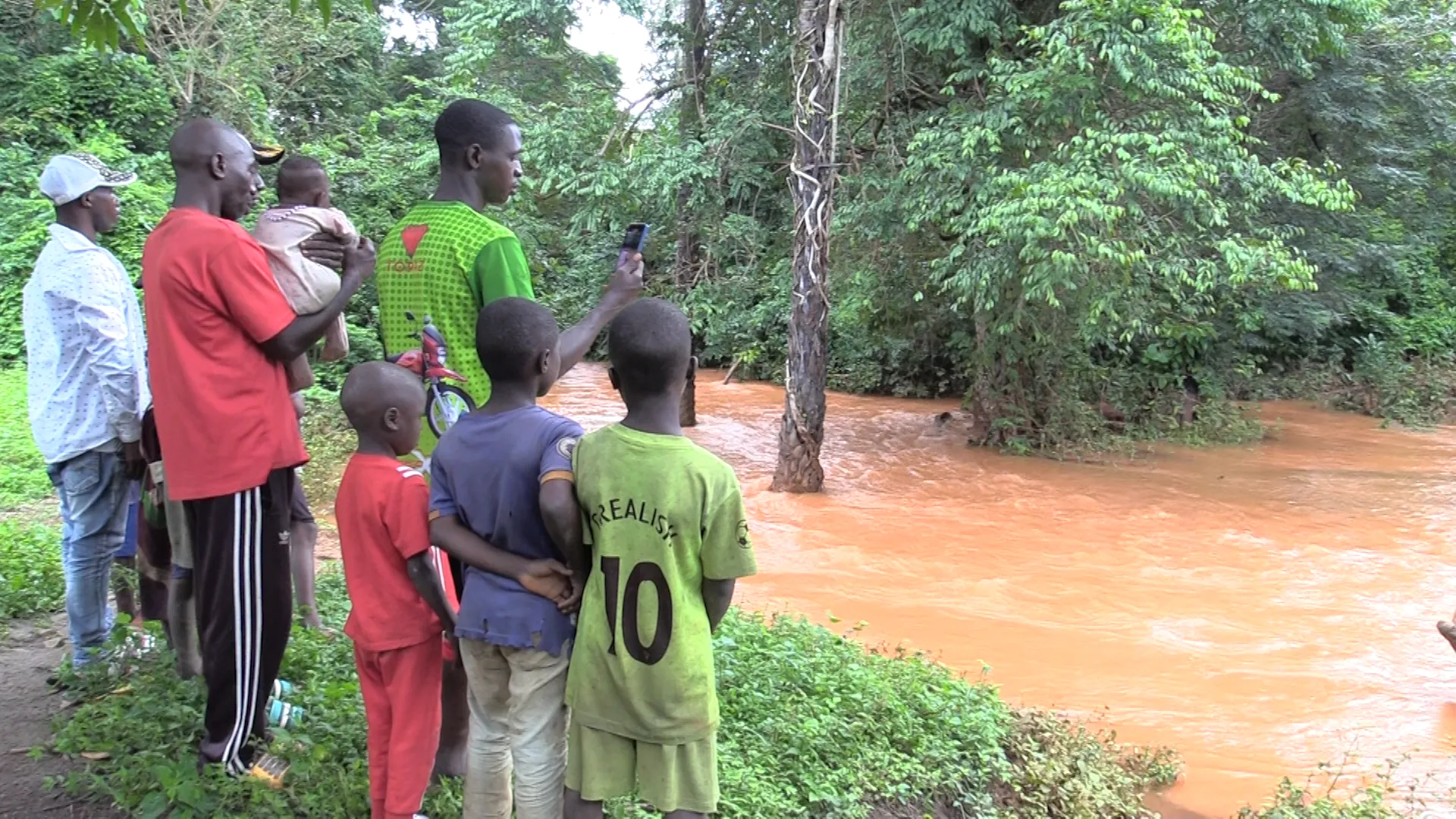
Guinea holds the world’s largest bauxite reserves, yet the nation faces a stark paradox where immense mineral wealth coexists with widespread poverty. Over the past three decades, production has increased tenfold, with approximately 75 percent of exports destined for China, which accounts for 60 percent of global aluminium production. Other key markets include Spain, Europe’s largest consumer of Guinean bauxite, and nations such as Russia, the United States, and the United Arab Emirates. Despite this strategic importance, local communities in mining regions like Bembou Silaty report significant socio-environmental harms, including the loss of agricultural land, inadequate compensation, and water contamination.
The government of President Mamady Doumbouya is attempting to reorganise the mining sector by pressing investors to process bauxite domestically. This policy aims to retain more economic value, as processing bauxite into aluminium can multiply its price by 37 times. However, infrastructure deficits remain a critical barrier. To support domestic processing, Guinea is collaborating with Senegal to utilise Senegalese gas for electricity generation, addressing the power shortages that currently hinder industrial development in rural areas and cause frequent blackouts in the capital, Conakry.
In mining heartlands such as Kindia and Boke, the impact on local livelihoods is severe. Residents in Bembou Silaty report that compensation payments, often ranging from 50 to 100 million Guinean francs, are frequently mismanaged or exhausted quickly, leaving families with no land or capital. Environmental concerns are also prominent, with locals citing iron contamination in village taps and polluted river water in neighbouring areas as causes for health issues. While Environment Minister Djami Diallo acknowledged that some companies have had impact studies rejected for non-compliance, he noted that operations may continue despite lacking full compliance certificates.
The disparity between resource-rich Guinea and consuming nations has driven a significant increase in Guinean migration to Spain. The Guinean population in Spain has quadrupled from 2,700 to 11,000 since 2000, with arrivals in the Canary Islands reaching 2,324 in 2023 and an additional 6,000 arriving in 2024–2025. This migration trend coincides with Guinea’s growing reliance on food imports, spending over $500 million on rice in 2024, as agricultural productivity declines due to land loss.
With aluminium prices surpassing $3,600 per tonne in April 2026, the economic stakes are high. While some workers in technical roles earn wages significantly higher than the national average, the broader population remains dependent on agriculture, with an estimated half of the population relying on farming for their livelihood. The government’s push for value retention and infrastructure development aims to reverse this trend, but the immediate reality for many Guineans remains one of economic precarity and displacement.