Guatemala rejects US military strikes amid security cooperation claims
The Guatemalan government has issued a formal denial that it authorised United States military operations on national soil, insisting that any joint action must remain under Guatemalan command and within existing legal frameworks.
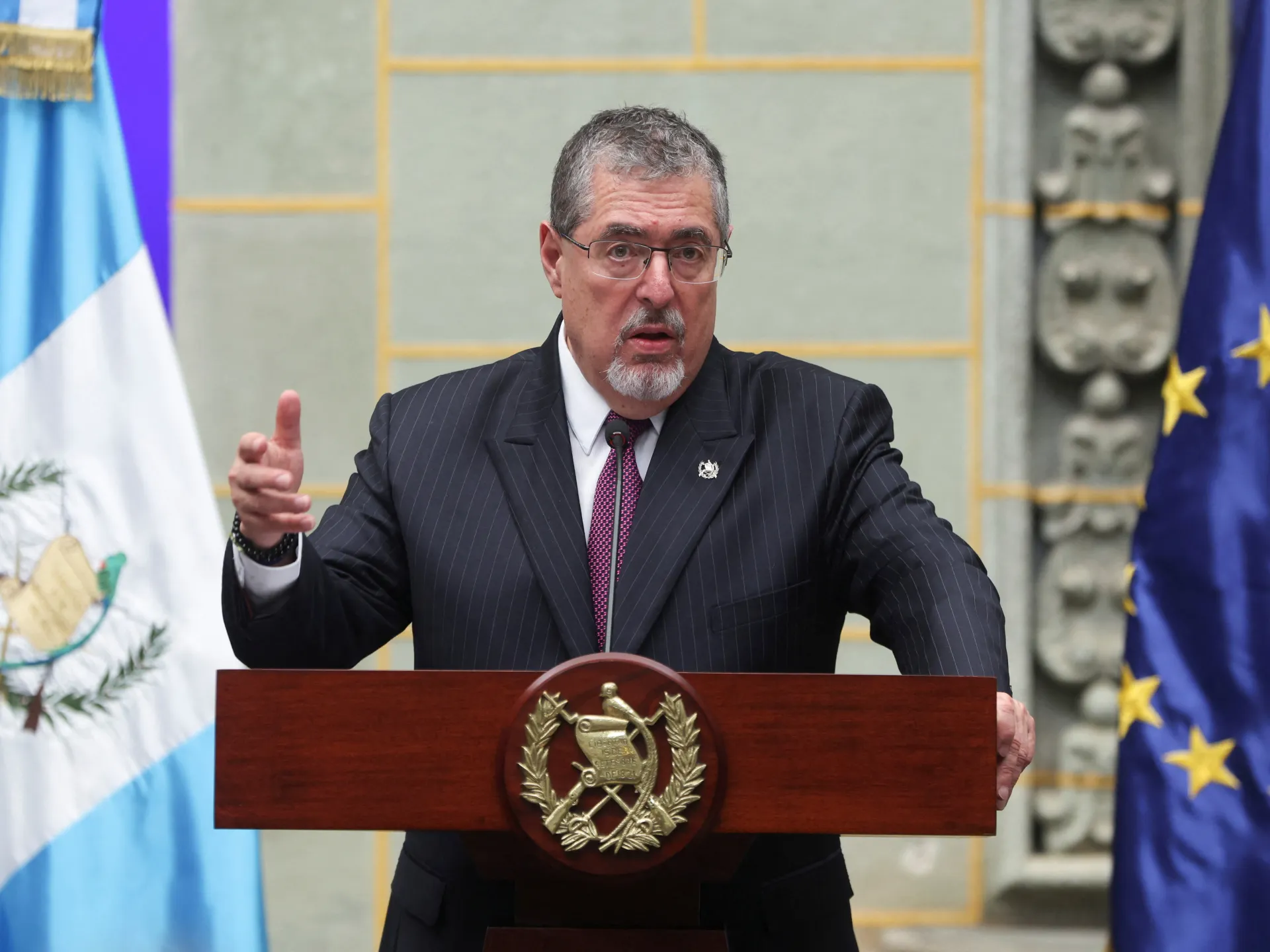
The Guatemalan government, led by President Bernardo Arevalo, has explicitly denied reports that it authorised United States military strikes against drug traffickers within its territory. In a statement issued on Thursday, officials confirmed that while Guatemala has requested security cooperation and joint operations with Washington, there is no agreement permitting foreign military operations on national soil.
The denial followed a New York Times report published earlier on Thursday, which cited two unidentified sources claiming Arevalo had agreed to US action. The government’s response sought to correct the record, stating clearly: “There is no agreement authorising foreign military operations by any country within national territory.”
Defence Minister Henry Saenz reinforced this position in a letter to US Defence Secretary Pete Hegseth, dated May 28. Saenz outlined Guatemala’s desire to lead active military operations against drug groups identified as “designated terrorist organisations” by Washington, with US assistance. He emphasised that such combined operations would further bilateral interests in defeating these groups while advancing regional security, provided they adhered to existing bilateral agreements.
The Guatemalan government stressed that its request for assistance was not an invitation for unilateral US attacks. Officials noted that the request falls strictly within the framework of existing bilateral agreements and complies with the provisions of the Constitution and applicable laws regarding cooperation on civil or military security.
This clarification comes against a backdrop of heightened US military activity in the region. Under President Donald Trump, the United States has demonstrated a willingness to use force in Latin America, conducting air strikes against alleged drug boats in the Caribbean Sea and Pacific Ocean since last year. These operations have resulted in at least 194 deaths, a campaign rights advocates have described as extrajudicial killings.
Regional leaders have generally remained wary of accepting US military intervention, preferring intelligence and security cooperation instead. This caution persists despite significant domestic challenges; in January, President Arevalo declared a state of emergency after suspected gang members killed at least 10 police officers, highlighting the ongoing struggle with gang violence related to the drug trade.