Guardian podcast questions UK trajectory a decade after Brexit vote
Ten years on from the referendum, The Guardian’s economics editor Heather Stewart and Nosheen Iqbal discuss whether the UK is plotting a return to the European Union and if Brussels would accept such a move.
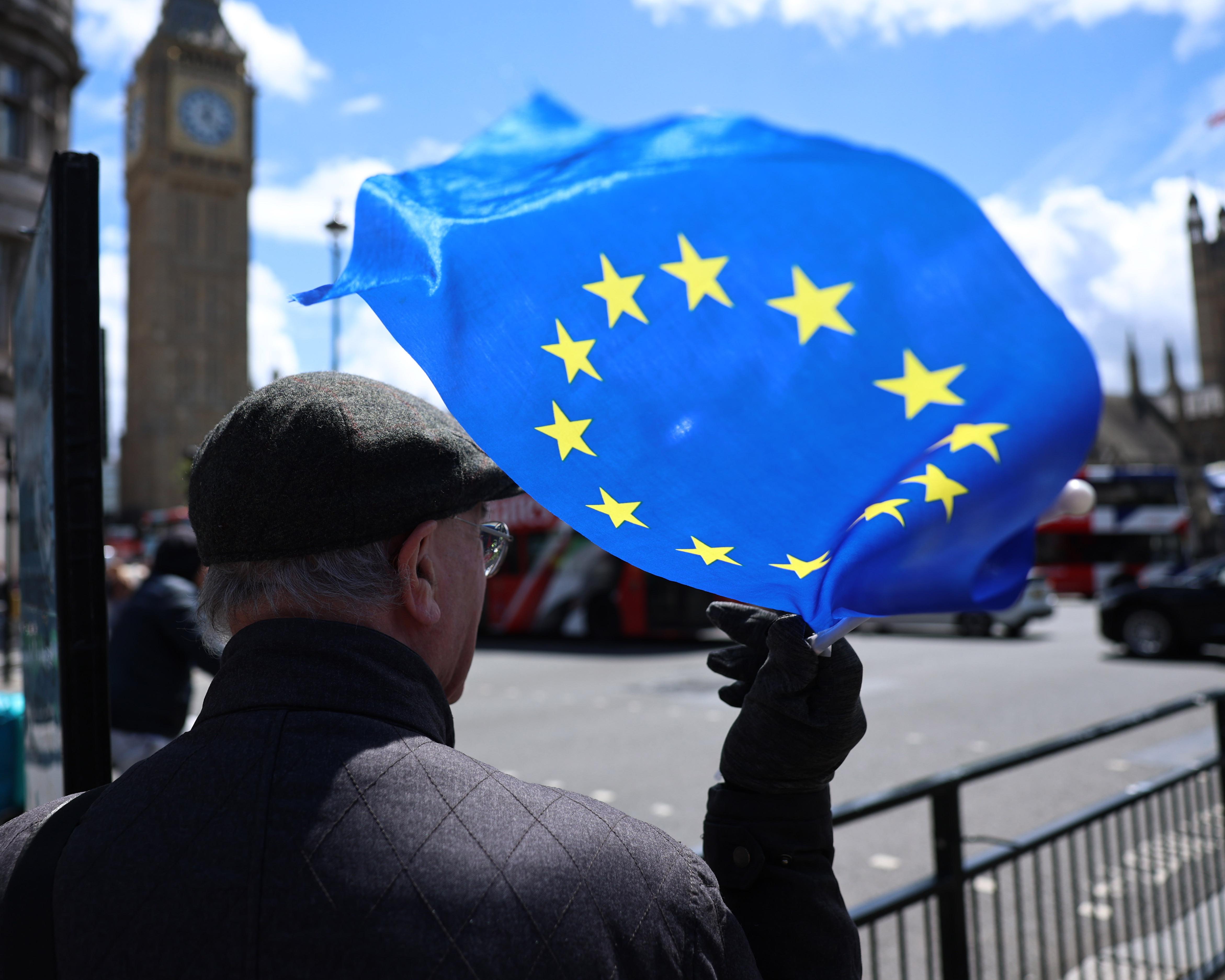
Exactly a decade after the Brexit referendum result fundamentally altered British politics, The Guardian has released a podcast episode examining the enduring legacy of the vote. Published on 24 June 2026, the discussion features economics editor Heather Stewart and Nosheen Iqbal, who analyse the political and economic consequences that have persisted since the UK’s departure from the European Union.
The episode highlights the structural instability that has characterised the post-referendum era, citing economic friction, a toxic immigration debate, and frequent changes in prime ministers as key indicators of the country’s inability to shake off the referendum’s impact. Stewart and Iqbal note that the initial shock of the result continues to rattle the political establishment, with no clear resolution to the underlying tensions.
Central to the discussion is the political ascent of Andy Burnham, described in the podcast as being on the cusp of seizing power. The hosts explore whether Burnham’s rise signals a significant shift in leadership dynamics and whether it correlates with a renewed interest in re-engaging with European institutions. The narrative suggests that shifting public opinion may be creating a political environment conducive to reconsidering the UK’s relationship with the EU.
However, the podcast frames the potential for rejoining as a complex diplomatic and political challenge rather than a settled domestic policy. Stewart and Iqbal question whether the European Union would be willing to accept the UK back into its fold, indicating that any future integration would depend heavily on the willingness of EU member states rather than solely on British political will.
The discussion does not confirm specific timelines or mechanisms for a potential return, but rather poses rhetorical questions about the UK’s future trajectory. By focusing on the interplay between domestic political shifts and external diplomatic realities, the episode underscores the uncertainty surrounding Britain’s long-term strategic direction ten years after the vote.