Guardian opinion: Sydney writer questions survival skills in Alone Australia
The Sydney-based author describes the show as her "idea of torture" while noting the disconnect between modern society and basic survival knowledge.
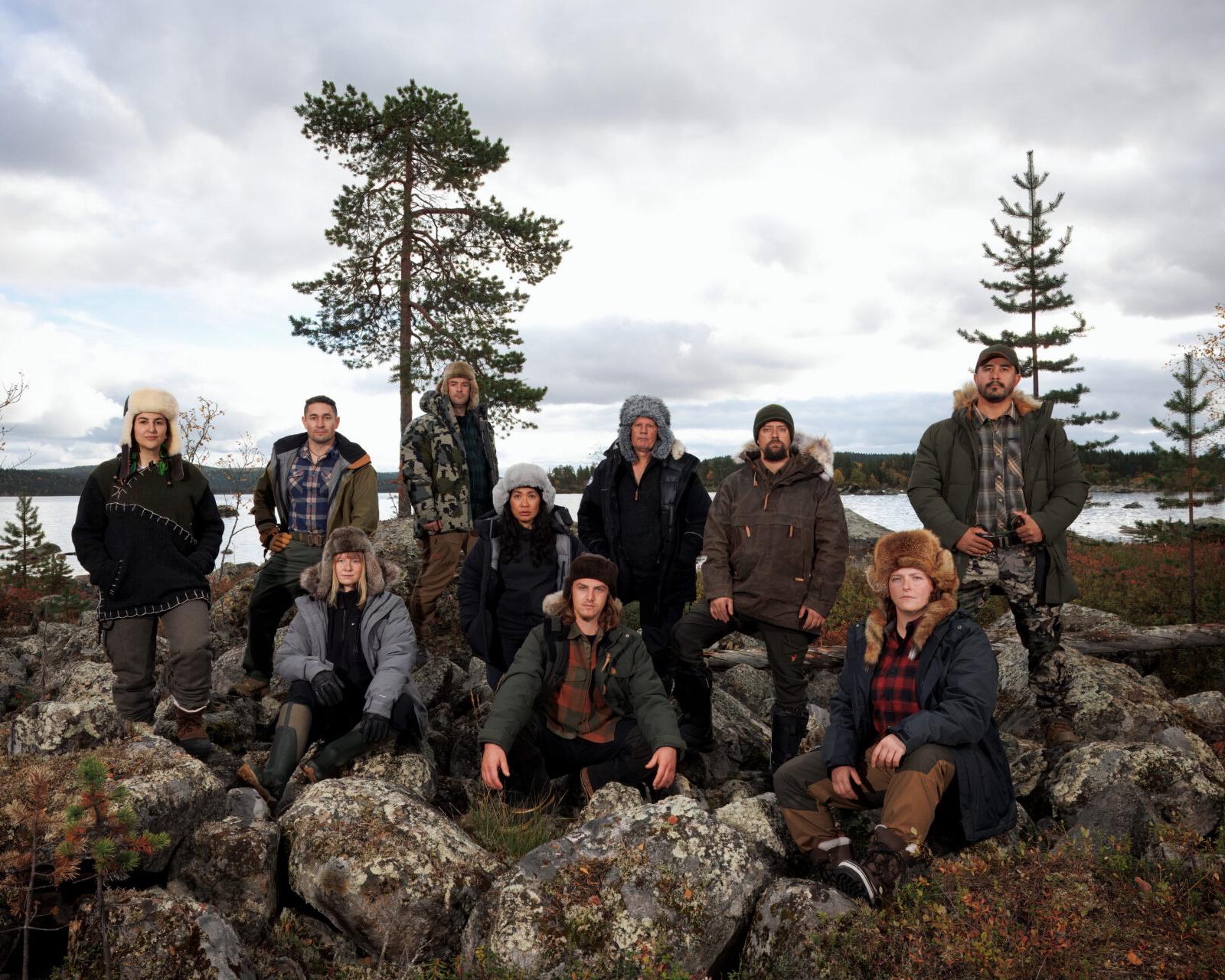
Sydney writer Emily Mulligan has published an opinion piece in The Guardian examining the reality television series Alone Australia. Mulligan characterises the programme as her "idea of torture," citing the extreme isolation, cold, and survival challenges faced by participants, such as consuming raw eels. She contrasts the contestants' willingness to endure these hardships for a $250,000 prize with her own reliance on modern comforts.
The article notes the wholesome nature of the contestants' emotional breakdowns and their motivations, such as making their families proud. Mulligan observes a broader disconnect between modern society and basic survival skills, highlighting how foraging and essential knowledge have become fringe behaviours.
Mulligan describes the show as her "idea of torture," citing the extreme isolation, cold, and survival challenges such as eating raw eels. She contrasts the contestants' willingness to endure these conditions for the $250,000 prize with her own preference for modern comforts.
The article highlights the wholesome nature of the contestants' breakdowns and their motivations, such as making their families proud, while noting the disconnect between modern society and basic survival skills.
Mulligan reflects on the physical and psychological toll of the series, noting that most contestants have a difficult time. She references a recent incident where a contestant walked away from his camp in the Arctic and could not be found for hours, expressing hope that he is now in a warm location with plumbing.
The writer questions whether our ancestors would have wanted their survival methods broadcast on television, especially when modern conveniences like zip taps exist. She points out the irony of watching people dig for worms or boil palm fronds as entertainment, when such activities were once essential for daily living.
Mulligan concludes that while she would rather drink eel-infested lake water than participate, there is something charming about the everyday people who volunteer. Their reasons, often to make their families proud or prove something to themselves, stand in stark contrast to the harsh reality of the environment they have chosen to enter.