Guardian modelling suggests proportional voting would prevent UK majority governments
Incoming Prime Minister Andy Burnham advocates for electoral reform, but experts warn of referendum hurdles following the 2011 alternative vote rejection.
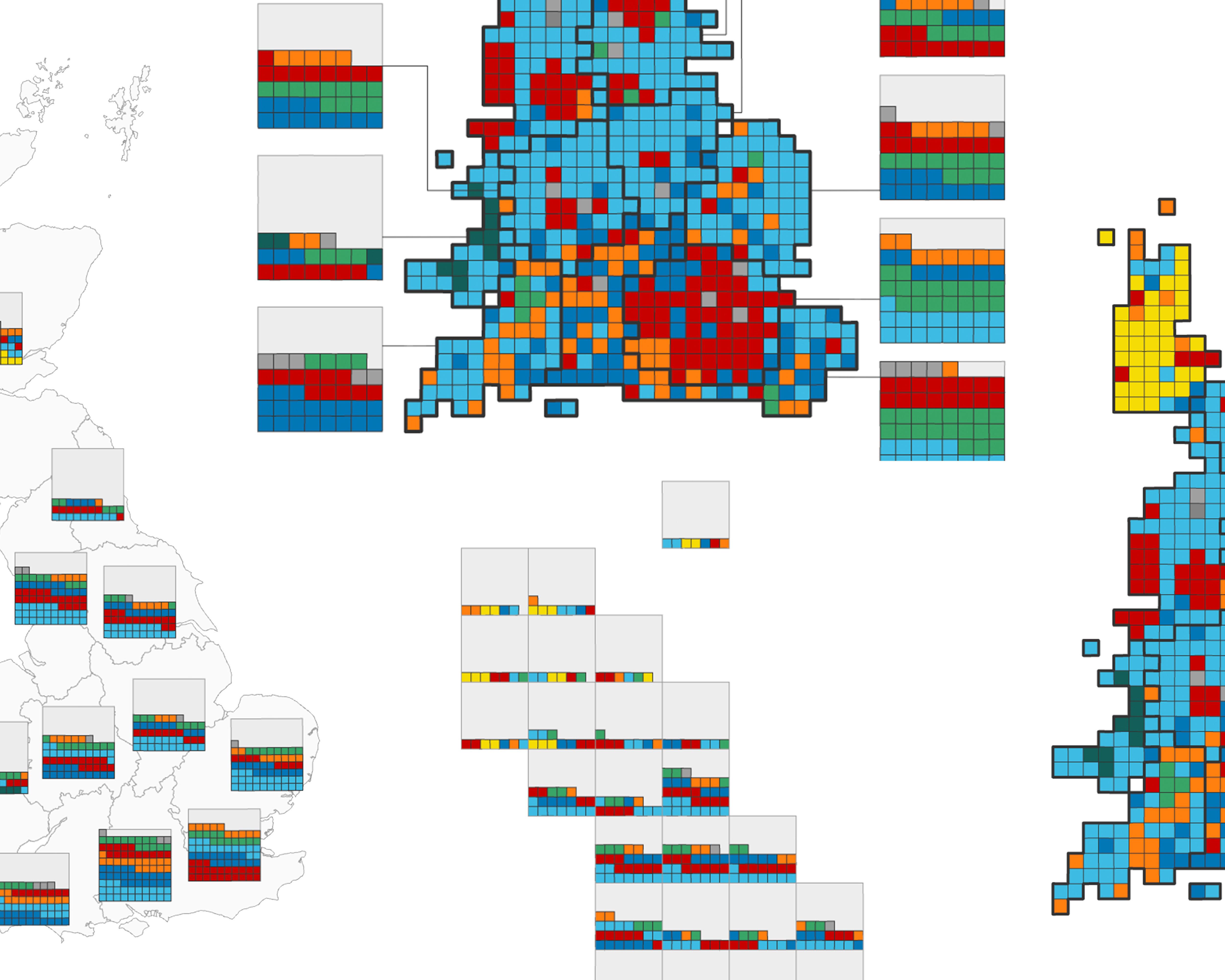
Exclusive polling modelling commissioned by The Guardian and conducted by More in Common projects that the United Kingdom would likely experience hung parliaments under any proportional voting system, fundamentally altering the balance of power compared to the current first-past-the-post method. The analysis, based on an average of the last 10 polls, indicates that while Reform UK could secure 46 per cent of seats under the existing system, proportional models would significantly reduce their share to between 27 and 33 per cent, preventing any single party from achieving a majority.
The research, which utilised recent polling data showing Reform UK leading with 26 per cent of the vote, modelled three distinct proportional systems: regional party list, single transferable vote, and the additional member system. Under first-past-the-post, Reform UK is projected to win 46 per cent of seats from 28 per cent of the vote, leaving them 30 seats short of a majority but potentially capable of forming a coalition with the Conservatives. In contrast, the proportional systems would distribute seats more evenly, potentially enabling a progressive coalition or a Reform-Conservative alliance, while increasing representation for smaller parties such as the Greens and the Liberal Democrats.
Incoming Prime Minister Andy Burnham has publicly expressed support for proportional representation, arguing that the current system perpetuates a political culture he describes as a "doom loop." Burnham stated in May 2026 that he is committed to electoral reform, a position shared by the Liberal Democrats, the Greens, the SNP, and Plaid Cymru. However, the path to implementation faces significant constitutional hurdles, with experts warning that any change would likely require a public referendum, citing the precedent of the 2011 alternative vote referendum which was decisively rejected by voters.
Anouschka Rajah, Research Manager at More in Common, highlighted the dramatic shifts in regional representation that proportional systems would entail. She noted that Reform UK’s dominance in the north-east of England, estimated at 85 per cent of seats under first-past-the-post, would drop to between 30 and 51 per cent under proportional models. Conversely, the Greens would establish a presence in London, moving from zero seats under the current system to at least four, while Labour would avoid a potential wipeout in Wales.
The modelling underscores the fragmentation of the British political landscape, where five parties are currently clustered closely in the polls. While first-past-the-post amplifies small shifts in vote share into large swings in parliamentary representation, proportional systems aim to align seat totals more closely with voter intent. Despite the potential for more representative outcomes, the Electoral Reform Society’s chief executive, Darren Hughes, acknowledged that voters may be reluctant to replace a familiar system, suggesting that rebuilding trust in politics through electoral reform remains a complex challenge.