Guardian analysis links historical public housing investments to current tax reforms
Historical review shows how Labor-led initiatives in the 1940s boosted home ownership, while subsequent policy shifts reduced public stock, offering context for the federal government’s recent fiscal measures.
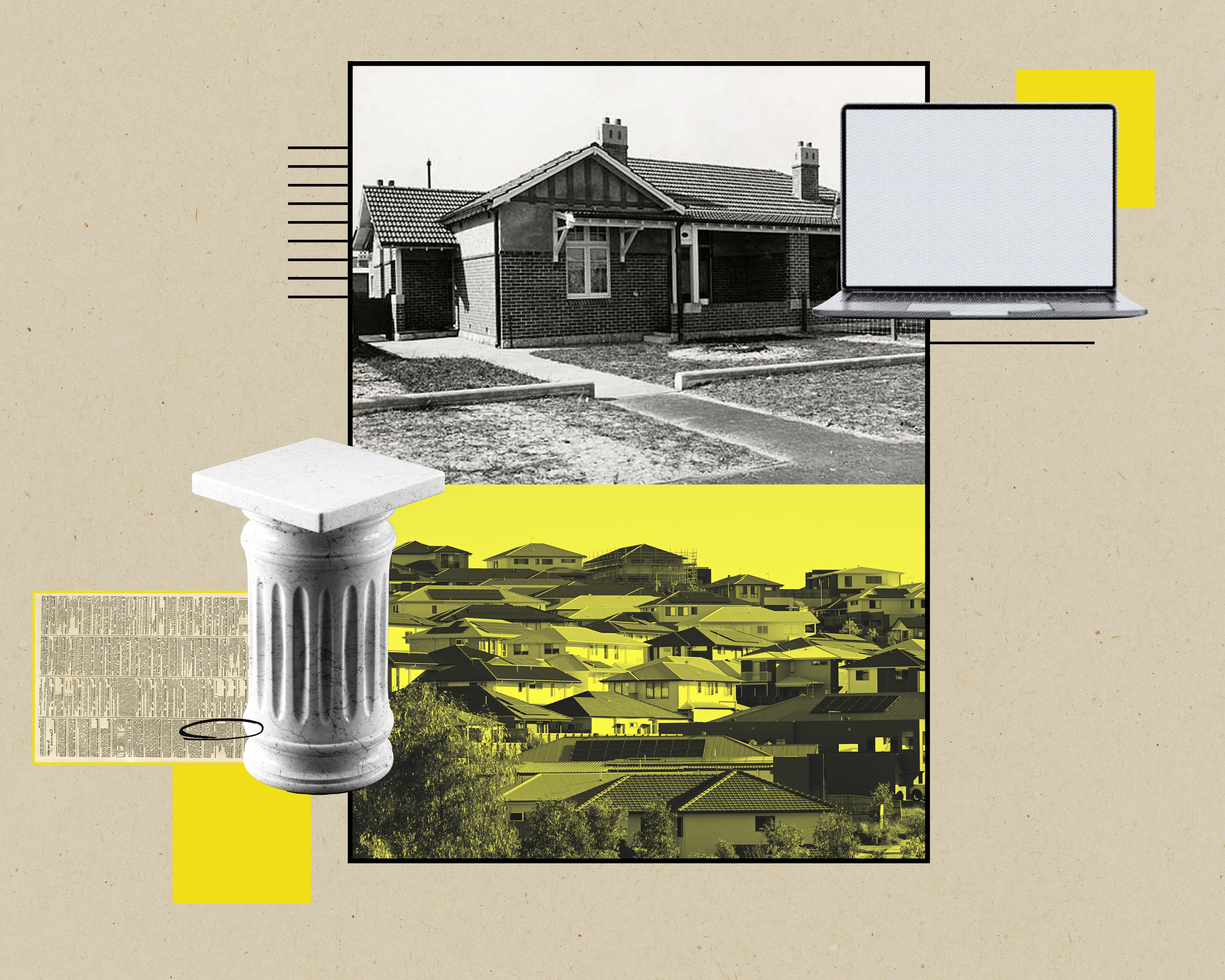
An opinion piece by Anne O’Brien, published in The Guardian on 21 July 2026, examines Australia’s history of public housing investment to contextualise current government efforts. The article argues that past interventions, particularly by Labor governments in the early 20th century and the 1940s, recognised the social and economic value of housing, leading to increased home ownership and reduced rental pressure. It notes that while these investments were hard-won and faced resistance, they established housing as a right rather than a profit field. The piece highlights the decline in public housing stock from the 1950s onwards and cites recent policies, including the Rudd government’s 2007 initiative and the 2026 federal tax reforms, as continuing examples of fiscal intervention to address housing equity.
The article references the federal government’s “first major tax reform in nearly 30 years” as a significant achievement suggesting a turning point in the housing crisis. It details the 1940s Commonwealth Housing Commission’s declaration that housing should be “a right” and “cease to be a field of investment yielding high profits,” which contributed to home ownership rates rising from 53% in 1947 to 73% in 1966. The text notes that between 1958 and 1973, the proportion of new housing that was public fell from 17.8% to 7.7% under the Menzies government, which viewed home ownership as an alternative to public rental rather than a complement.
The Rudd government’s 2007 housing policy is cited as part of the global financial crisis stimulus package, which enabled thousands to access secure housing and was later redeployed during the pandemic. This historical trajectory is framed as a story of public investment for economic growth and citizen needs, contrasting with the “doctrinaire” approaches often seen in other policy areas. The piece suggests that understanding the complexity and purpose of these past interventions helps expand the options currently viewed as politically feasible.
Early 20th-century efforts, such as the construction of public housing in Sydney’s Rocks district and Daceyville, were driven by practical needs such as commerce and post-plague redevelopment, as well as political pressure from displaced residents. These initiatives, though contentious and met with citizen protest, demonstrated how democratic processes could yield contingent outcomes in high-stakes policy areas. The article notes that while some builds were supported by advocates of the garden suburb, others faced dissent from those who viewed inner-city housing as a source of social decay.
The decline in public housing stock from the 1950s onwards left growing waiting lists, a trend that continued until subsequent governments recognised the disparity between low incomes and market rents. The 2007 policy and the recent tax reforms are presented as evidence that fiscal intervention remains a viable tool for addressing housing equity. The article concludes that past investments, despite their limitations, made access to housing more equitable by recognising its social and economic value, a principle that continues to underpin current policy debates.