Grid Transforms into Intelligence Infrastructure as Demand Surges
With the U.S. Energy Information Administration forecasting the strongest four-year demand run since 2000, PJ Popovic of Rhythm Energy argues the grid must add an intelligence layer to manage flexible distributed resources.
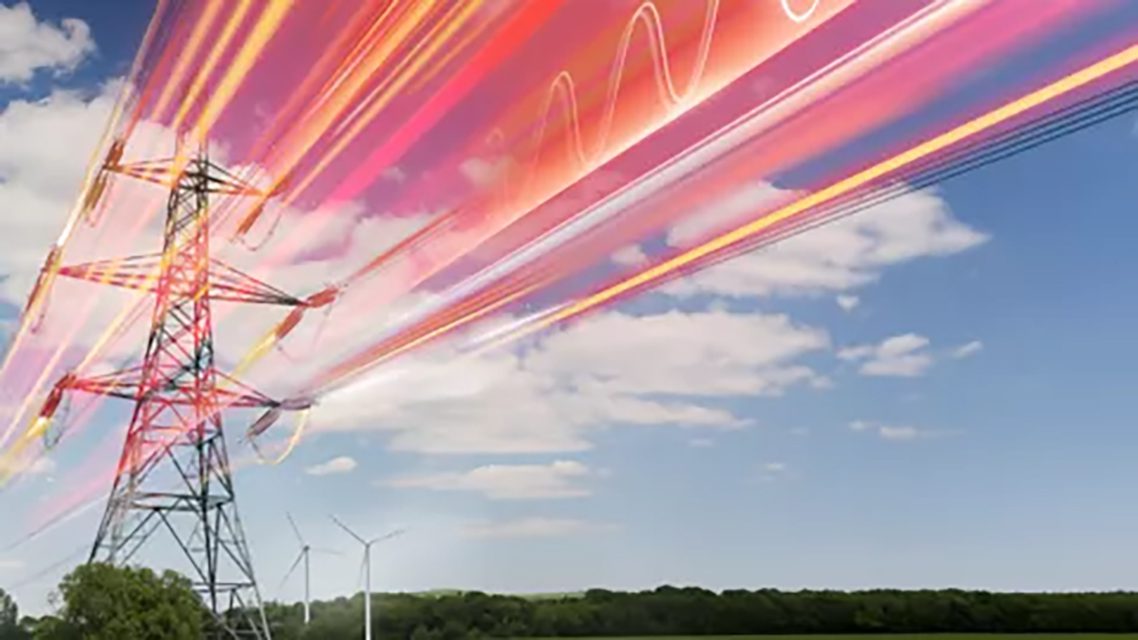
The electricity grid is undergoing a structural shift from a passive energy delivery system into an active infrastructure for intelligence. This transformation is driven by the convergence of rising demand from artificial intelligence data centres, electric vehicles, and distributed energy resources. According to PJ Popovic, chief executive at Rhythm Energy, the grid now serves two new roles: powering intelligence and coordinating millions of controllable devices such as smart thermostats, batteries, and heat pumps.
This evolution represents an addition to the grid rather than a simple transition. Data centre demand is always-on and requires high-density power, while distributed devices can respond to grid conditions in real time. Neither behaves like the passive loads the grid was originally designed for, such as motors and heaters. The challenge is no longer just about how much generation is built, but how much intelligence is attached to the existing load.
The urgency for this shift is underscored by data from the U.S. Energy Information Administration, which forecasts that U.S. electricity use will continue to climb through 2027. This growth marks the strongest four-year demand run since 2000 and the first time since 2007 that demand has risen for four consecutive years. Traditional infrastructure expansion is facing delays due to supply chain constraints, permitting issues, and interconnection bottlenecks, prompting a focus on software-led coordination and demand-side flexibility.
To manage this load, the grid must coordinate millions of flexible devices as virtual power plants. This approach utilises software to orchestrate demand-side flexibility, addressing delays in traditional infrastructure expansion. Consumers and utilities must actively participate in grid coordination, using software to orchestrate flexibility rather than relying solely on new generation and transmission infrastructure.
For virtual power plants to scale, markets need to compensate flexible demand on equal footing with generation. This requires clear forecasting for real-time and day-ahead markets, rules allowing aggregated behind-the-meter assets to bid like capacity, and performance-based compensation. Standardised guardrails, including measurement and verification protocols and cybersecurity requirements, are essential to ensure customer trust and competitive participation.
General Motors has recently expanded into energy services, leveraging its electric vehicle fleet to stabilise the grid. The automaker announced a firmware update enabling current vehicle-to-home customers to send energy back to the grid, citing a base of over 250,000 bidirectional-capable electric vehicles. This move highlights the growing role of distributed assets in grid stability.
The grid that powered the industrial age delivered electricity to machines. The grid that will power the intelligent economy will need to coordinate millions of devices. Virtual power plants provide the intelligence layer that makes this possible, making the grid more affordable, reliable, and resilient.