Greece revives asylum reviews for 1,200 Syrians and Afghans amid EU migration overhaul
New enforcement measures include imprisonment and fines, as Athens aligns with hardline EU return policies and signals religious preferences for future migrant workers.
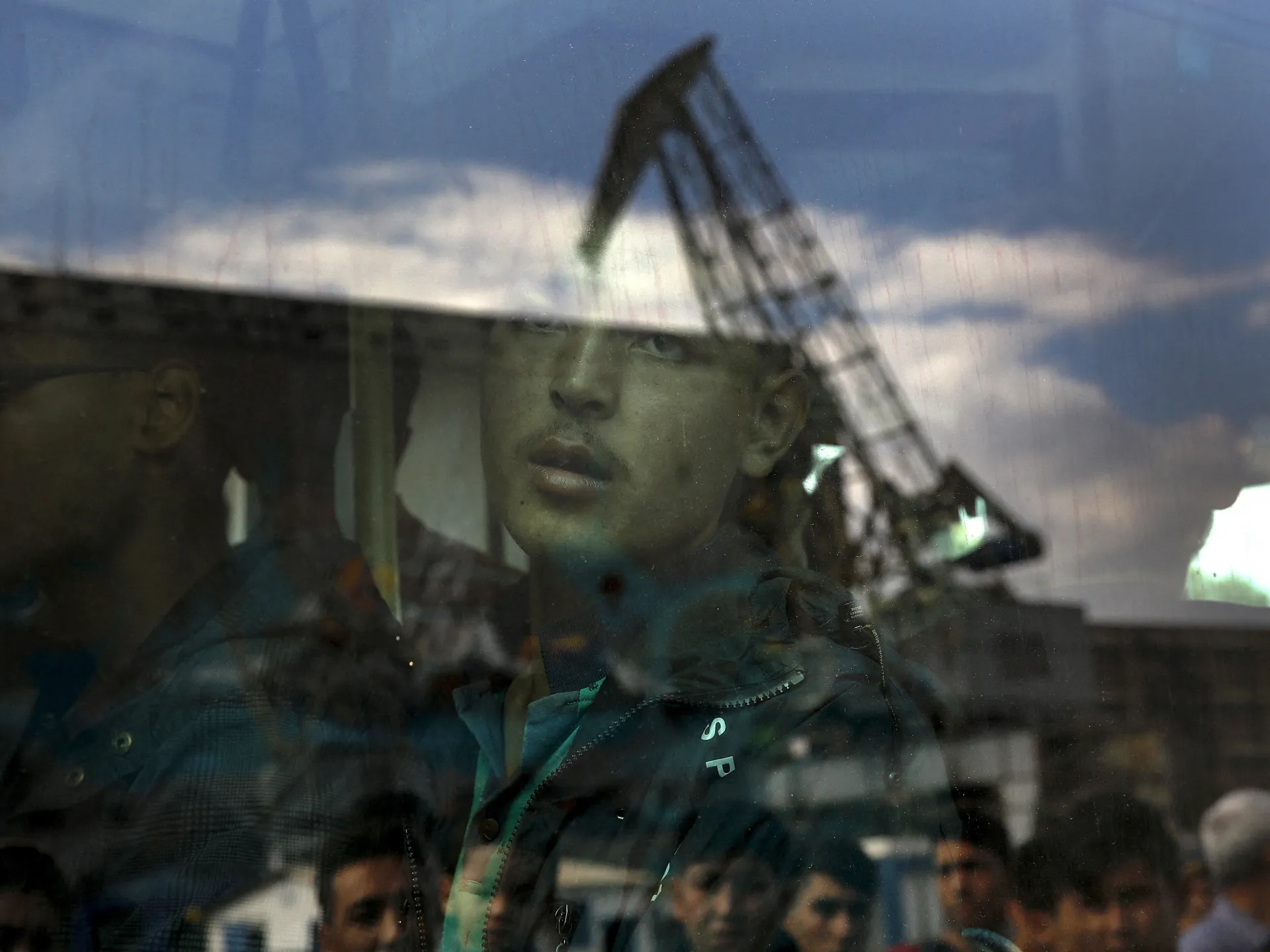
Greece has initiated the reopening of asylum cases for approximately 1,200 Syrian and Afghan nationals, a move designed to facilitate their return to countries where the government asserts civil conflicts have concluded. Migration Minister Thanos Plevris ordered the review of temporary protection statuses in February, arguing that the cessation of hostilities in Syria and Afghanistan removes the basis for international protection. Notices requiring individuals to restate their reasons for remaining in Greece are currently being distributed, with reports indicating these are primarily directed at male applicants.
The policy shift introduces stringent enforcement mechanisms, including potential imprisonment and fines of up to 5,000 euros for those who refuse deportation. Plevris described the new framework as the strictest returns policy in the European Union, empowering authorities to utilise ankle monitors and confine non-compliant individuals in closed camps for two to five years. This hardline stance is part of a broader regulatory tightening by the governing New Democracy party, which also passed legislation in February allowing for the delisting and defunding of aid organisations if their staff are charged with facilitating the smuggling of asylum seekers.
Minister Plevris has explicitly linked the migration strategy to religious and cultural criteria, stating during a parliamentary committee hearing that Greece does not share common values with what he termed "hardcore Islam". He indicated a preference for non-Muslim migrant workers, suggesting future recruitment from countries such as Georgia, the Philippines, and Armenia. This religious dimension aligns with previous measures, including a three-month suspension of asylum applications for mainly Muslim asylum seekers arriving from Libya last year.
Legal representatives for the affected nationals have challenged the safety assessments, noting that renewed clashes in Syria and the political instability under the Taliban in Afghanistan persist. Lawyers for individuals such as Bashir and Jihad, who have established lives and families in Greece, argue that the criteria for declaring these countries safe are flawed. They highlight that many applicants, including former supporters of the Assad regime or those with established professional lives, face significant risks upon return, yet remain subject to the state’s revocation of their protected status.
The Greek government’s actions coincide with the impending implementation of the European Union’s Asylum and Migration Pact next month, which mandates that member states manage their own border and returns policies. Experts note that while Europe struggles with the logistics of executing returns at scale, Greece is accelerating its approach to manage its existing population of 938,000 legally resident migrants. As the EU front-line state prepares for future flows, the government is prioritising rapid deportations to mitigate the political and administrative burden of hosting one of the highest densities of asylum recipients in Europe.