Grand Slam Track athletes paid, Johnson confirms after bankruptcy
Michael Johnson states contracted runners have received funds, clarifying personal credit card charges were for travel logistics and a $2 million loan, not secret salary payments.
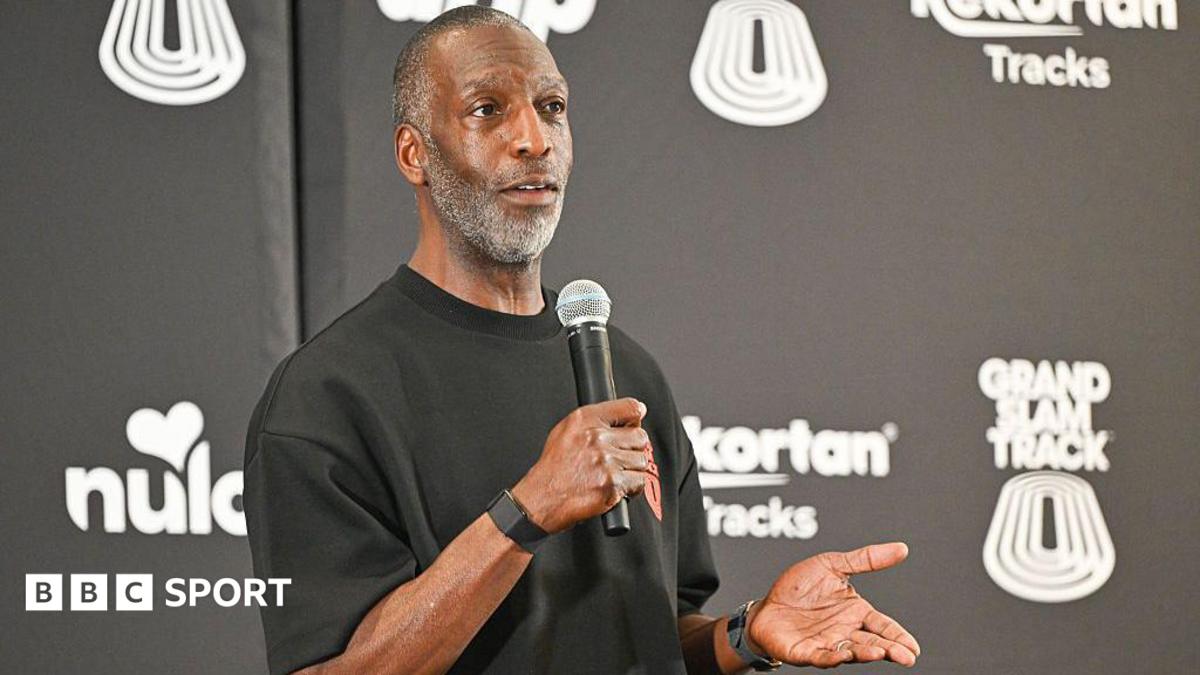
Four-time Olympic champion Michael Johnson has confirmed that contracted athletes from the bankrupt Grand Slam Track (GST) league have now been paid. This marks the first public statement from Johnson since the athletics venture collapsed in December 2025, following the withdrawal of investor capital and the cancellation of its final event in Los Angeles.
Speaking to The Telegraph, Johnson addressed allegations that he had secretly paid himself $500,000 prior to the league’s insolvency. He stated that the funds were reimbursements for personal credit card expenses incurred to cover travel and accommodation for 96 athletes and 170 companions, as well as a $2 million loan he provided to the company. Johnson confirmed he had forgone his own salary and intended to repay the $500,000 to the bankrupt entity.
The league, which promised lucrative prize money and salaries in its inaugural season, filed for voluntary bankruptcy in the US in December 2025. Several high-profile athletes were owed payments exceeding £100,000, including British former world 1500m champion Josh Kerr and 2024 Olympic 400m silver medallist Matthew Hudson-Smith. The Association of Athletics Managers had previously stated in January that GST had debts exceeding $30 million.
Johnson described the allegations as the "most hurtful thing" and the "exact opposite of what was reported." He explained that the GST credit card was maxed out due to cash-flow issues, necessitating the use of his personal card for logistics in Miami and Philadelphia. He insisted he would be reimbursed for these costs, which were part of the broader financial support he provided to ensure athletes were cared for.
The former sprinter, who has been a BBC pundit since 2001, has not worked for the broadcaster since the Paris 2024 Olympics as he focused his attention on GST. He admitted to suffering from sleeplessness and questioning his own integrity and motivation during the crisis, noting that the accusations weighed heavily on him and his family.