Grace Cummings’ Bloodhorse! marks a raw turn towards self-acceptance
Recorded in Topanga with producer Jonathan Wilson, the new record explores themes of gaslighting and betrayal, reflecting Cummings’ shift from mirroring others to embracing her own nature.
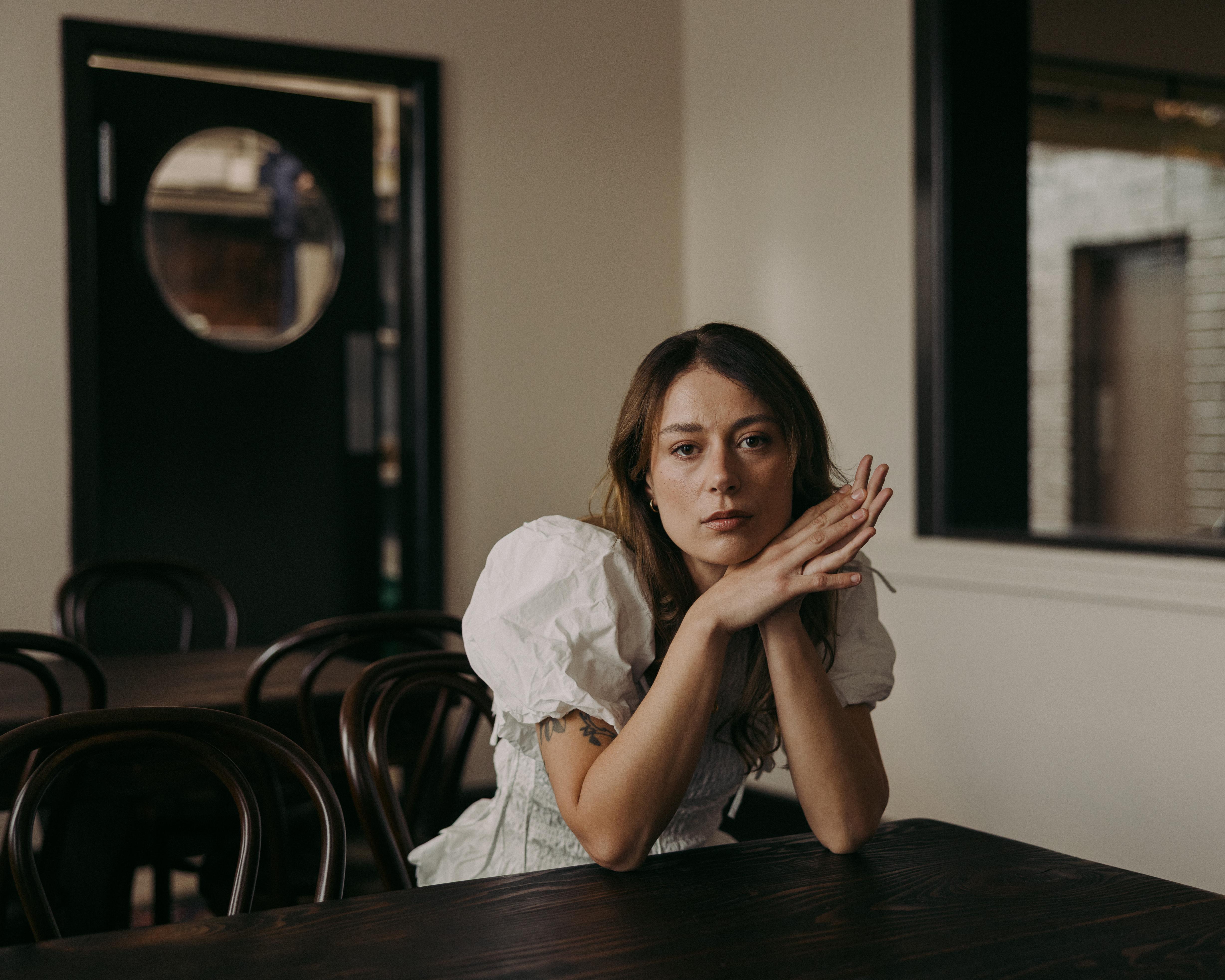
Australian singer-songwriter Grace Cummings has released Bloodhorse!, her fourth studio album, recorded in Topanga with producer Jonathan Wilson. The record arrives as a significant pivot in Cummings’ career, moving away from the external validation she previously sought to a deeper exploration of identity, gaslighting, and betrayal. The album’s title refers to a thoroughbred temperament described as a "nervous wreck," a metaphor Cummings uses to describe her own difficulty in quieting down and her lifelong struggle with feeling too sensitive or "too much."
Cummings, whose powerful voice has drawn comparisons to Nina Simone, Nico, and John Cale, frames the album through the lens of her recent realisation that she is autistic. She describes a past tendency to act as a "bowerbird" in relationships, borrowing opinions and values to mirror others’ behaviour and please them. With Bloodhorse!, she aims to live authentically, stating that the peace found in music has been a "legitimate lifesaver" after years of "incredible pain and change."
The album’s first single, My God, features a percussive urgency born from physical necessity; Cummings recorded the track while suffering from pneumonia, which forced her to experiment with breath and vocalisation. The accompanying music video, shot at The Lawrence Rodeo in New South Wales, visualises the "bloodlust" of online hatred and the feeling of watching something awful unfold. The rodeo setting serves as a physical manifestation of the song’s critique of strangers directing hatred at one another.
Themes of manipulation are further explored in the track FAKE, where Cummings omits the lyric "if you would just be a good girl" in favour of a glottal stop. In the visual accompaniment, she is depicted choking on viscous black blood, a stark representation of the line’s offensive nature. Cummings describes the listening experience as feeling "dragged under water," aligning with her broader artistic goal of purging emotion without acting, creating a raw, seance-like atmosphere in her performances.
Cummings, who works as a disability care worker and has never paid herself a wage as a musician, uses the platform to highlight the undervaluation of the arts in Australia. She notes that the industry often exploits people on the spectrum who feel compelled to work for free. Following the release, Cummings and her band are scheduled to tour Australia, the US, and Europe in the coming months, bringing this deeply personal and politically charged record to international audiences.