GoPro’s first interchangeable lens camera targets creators willing to trade convenience for flexibility
The Mission 1 Pro ILS, priced at $699, introduces Micro Four Thirds compatibility to the GoPro ecosystem, offering significant creative control but requiring manual focus and sacrificing waterproofing.
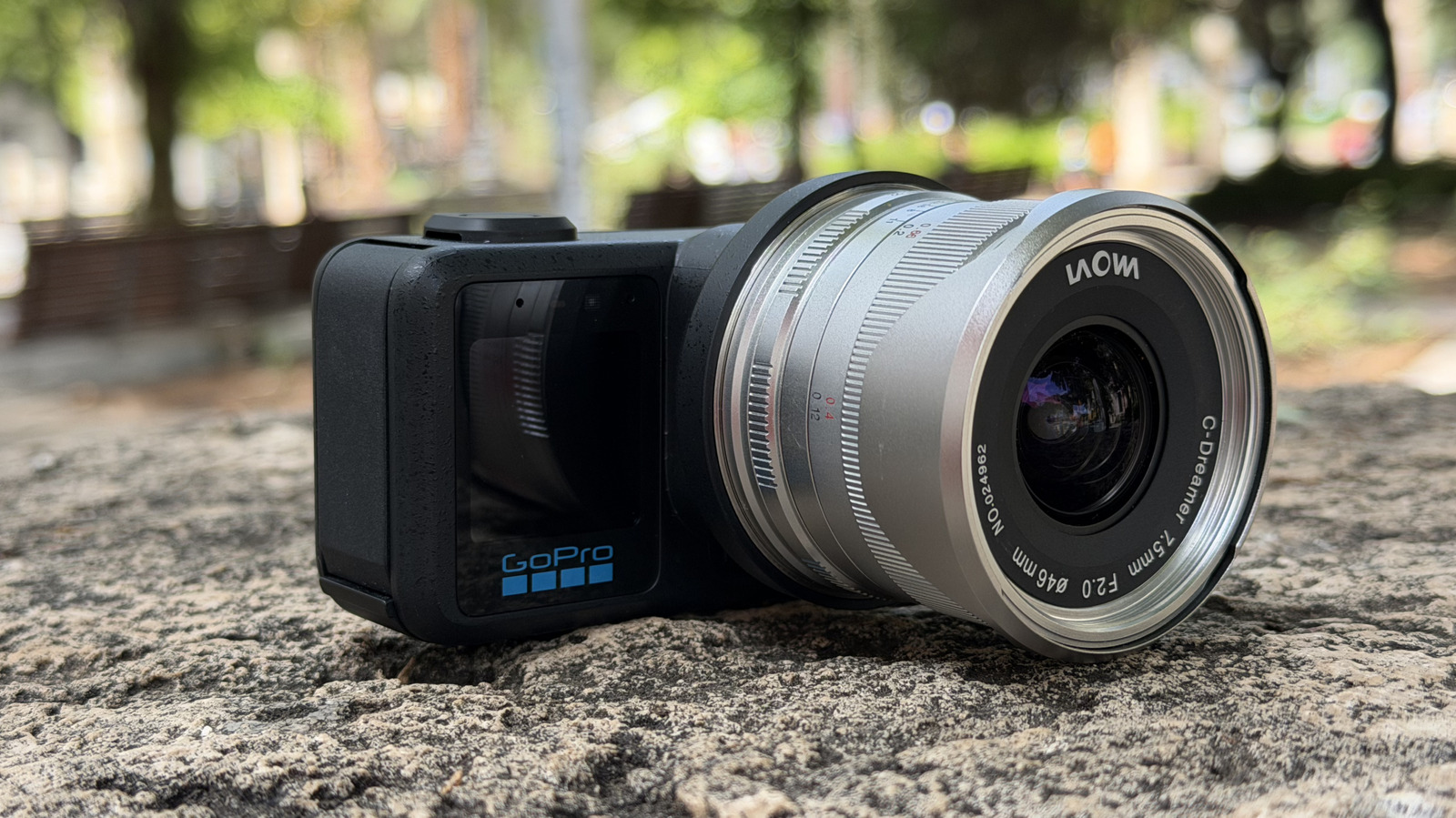
GoPro has launched the Mission 1 Pro ILS, marking the company’s first foray into interchangeable lens systems. Priced at $699, the device utilises a Micro Four Thirds (MFT) mount, compatible with over 300 lenses, while retaining the core specifications of the standard Mission 1 Pro. The camera features a 1-inch sensor, 8K/60 video capability, and a 10-second, 960 fps burst mode, positioning it as a hybrid between a traditional action camera and a compact mirrorless system.
The primary trade-off for this expanded optical flexibility is the removal of autofocus and waterproofing. Users must manually manage focus, aperture, and exposure, a significant shift for those accustomed to the simplicity of the Hero line. The body is slightly larger than the standard Mission 1 Pro, adding approximately one inch of depth and half an inch of height to accommodate the lens mount. While the camera supports the vast ecosystem of GoPro mounts, the lack of electronic connections means focus-by-wire lenses may not function, making manual lenses essential for optimal use.
To assist with the manual focus requirement, GoPro has integrated Focus Peaking and digital zoom tools at 4x and 8x magnification. The company also provides the Quik app for larger previews and a dedicated Mission Monitor app that allows users to use their smartphone as a wired or wireless display. These tools, including Zebra lines to highlight over-exposed areas, aim to mitigate the challenges of focusing on the camera’s 2.59-inch OLED rear display, particularly when using wide-aperture lenses with shallow depth of field.
Testing with compatible lenses, such as the Laowa 7.5mm and 7artisans 25mm, revealed a drastic improvement in image quality compared to the standard Mission 1 Pro. The 2.7x crop factor means a 7.5mm lens behaves similarly to a 20mm equivalent focal length, while a 25mm lens offers a tighter 70mm equivalent view. While the camera retains GoPro’s signature features like Hyperlapse and super slow-motion, the ability to shoot in 10-bit GP-Log 2 at maximum bitrate allows for professional-grade colour grading and dynamic range.
However, the shift to manual operation impacts battery life. While the camera can achieve similar three-plus hours of recording in 4K under standard settings, high-bitrate recording, active monitoring, and frequent focus adjustments reduce endurance to approximately two hours of constant use in hot weather. The camera’s 2,150 mAh Enduro 2 battery remains unchanged from the standard model, but the increased processing demands of the ILS configuration place a greater strain on power reserves.
The Mission 1 Pro ILS does not directly compete with dedicated mirrorless cameras like the Sony ZV-E10, which offers superior autofocus, nor with other action cameras that retain waterproofing. Instead, it targets a niche audience of creators, documentarians, and product photographers who prioritise portability and ruggedness over automated convenience. By offering a 50-megapixel sensor in a small, durable body, GoPro is attempting to capture users who require cinematic flexibility without the bulk of traditional cinema cameras.
According to Engadget, the ILS represents a risky but innovative step for GoPro, which has relied on its Hero line for over a decade. While the camera has a steep learning curve, it offers a unique combination of action-camera durability and mirrorless versatility. Whether this new category can sustain a dedicated following remains to be seen, but the ILS provides a tangible option for creators seeking a more adaptable tool in an increasingly competitive market.