Google Pixel 11 Pro Fold review: A polished but pricey iteration
The new foldable offers stronger water resistance and magnetic charging, but a higher price tag and competitive rivals make it a difficult sell.
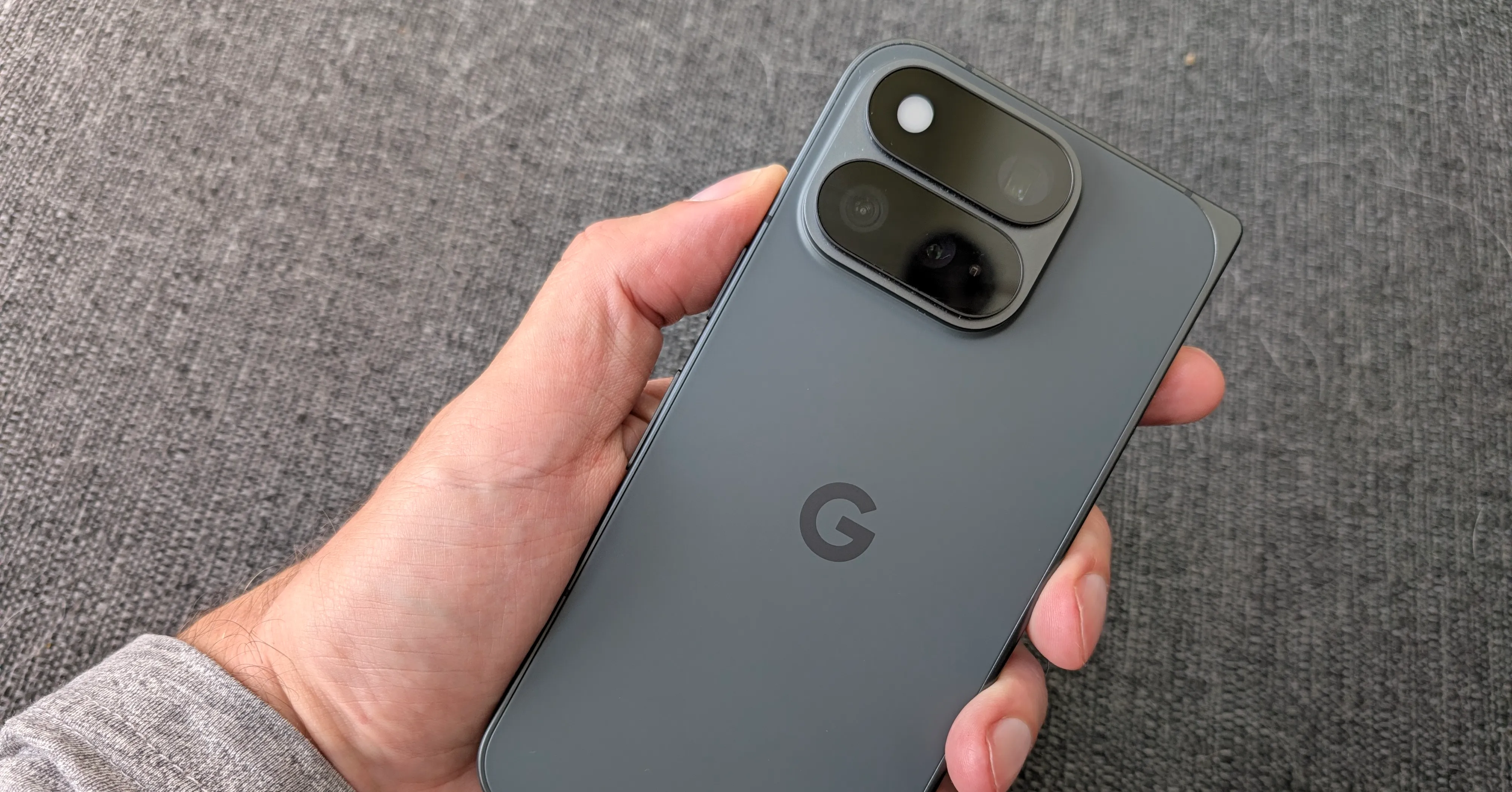
Google’s latest entry into the foldable market, the Pixel 11 Pro Fold, arrives with a price increase of $100, bringing the starting cost to $1,899. According to a review published by WIRED, the device represents an iterative update rather than a revolutionary leap, offering modest improvements in performance and camera capabilities while introducing key hardware features that have been absent in previous models.
The most notable additions are an IP68 rating for water and dust resistance and support for Qi2 25W magnetic wireless charging. The IP68 standard distinguishes the device from competitors such as the Samsung Galaxy Z Fold8, which carries an IP48 rating, meaning the Google device is dust-tight while the Samsung alternative is only protected against coarse dust. The inclusion of Qi2 charging is also significant, as many competitors have yet to adopt the standard even in their non-folding flagships.
Despite these upgrades, the device struggles to justify its premium status against its own lineup. The hardware specifications are closer to the standard Pixel 11, which is priced at $899, than to the higher-end Pixel 11 Pro and Pro XL models. The Fold features a 48-megapixel main camera and a 10.8-megapixel telephoto lens, but lacks the superior sensor arrays found in Google’s other Pro devices. Furthermore, the battery capacity has decreased to 4,806 mAh from 5,015 mAh in the previous generation, with Google suggesting a 24-hour battery life compared to over 30 hours for other Pixel 11 models.
Physical design remains a point of contention, with the Pixel 11 Pro Fold weighing 239 grams and measuring 10.1 mm in thickness. This makes it heavier and thicker than the Samsung Galaxy Z Fold8 and the Honor Magic V6. While the software experience is praised, particularly for multitasking capabilities and new AI features like "Bubbles" for floating chat profiles, the hardware limitations and competitive pricing landscape pose challenges.
The competitive environment is intensifying, with the Samsung Galaxy Z Fold8 priced at $1,900 and the Fold8 Ultra at $2,100. Additionally, persistent rumours regarding the imminent arrival of a folding iPhone may influence consumer purchasing decisions. For buyers, the Pixel 11 Pro Fold offers a refined experience with strong software integration, but the combination of a price hike, a smaller battery, and robust competition makes it a tough sell in the current market.