Google I/O 2026: Gemini AI integration sparks user fatigue ahead of conference
As Google prepares to unveil new tools, reports of persistent interface intrusions and broader industry tensions highlight the risks of forced adoption.
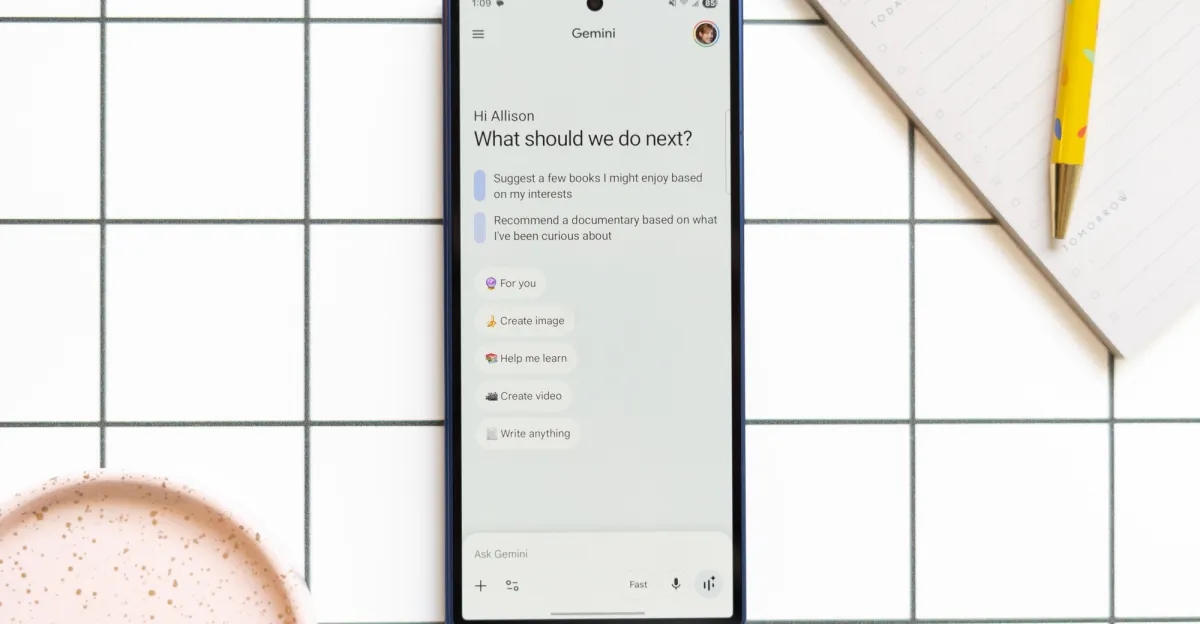
Ahead of the Google I/O 2026 conference, concerns are mounting regarding the company’s aggressive expansion of Gemini AI features across Google Workspace and Chrome applications. Critics argue that the relentless integration of AI prompts risks replicating the user fatigue and backlash previously experienced by Microsoft with its Copilot strategy. While Google plans to announce new tools at the event, observers note that persistent interruptions in applications such as Docs and Gmail are irritating users and potentially harming the developer community.
The friction centres on interface elements that many users find intrusive. Reports highlight a persistent sparkle icon in Google Docs that triggers a toolbar with suggested prompts upon hovering, a feature some users have disabled due to annoyance. Similar complaints have emerged regarding a Gemini shortcut appearing in the macOS menu bar, with users questioning whether they were tricked into enabling the feature. This pattern of integration mirrors Microsoft’s approach of embedding Copilot shortcuts across Windows 11, which led to widespread irritation and a subsequent partial retreat from aggressive rollout tactics.
Beyond interface design, broader industry dynamics are shaping the reception of these tools. Recent studies indicate that younger demographics are increasingly disillusioned with AI, particularly when usage is forced or nagged. This tension is exacerbated by the current climate of software engineering layoffs, where companies have cited improved AI coding tools as a reason for reducing headcount. Critics suggest that AI assistance offers little comfort to displaced workers amid these reductions.
Despite the backlash, some users find utility in the technology for specific tasks. Personal usage reports indicate that Gemini has been reliable for coding chore-management applications and generating AI overviews for low-stakes queries, such as gardening or cooking. However, even proponents acknowledge that the constant presence of AI features can become overwhelming, with some users expressing a preference for traditional search methods over chat-based interactions.
The controversy also extends to Google’s broader infrastructure and market position. The company is simultaneously expanding its physical infrastructure with the construction of massive data centres, a move that has drawn public scrutiny. Additionally, AI overviews in Google Search have faced criticism for potentially harming the open web by reducing traffic to source sites. As Google prepares to unveil new features, the company faces pressure to balance innovation with user experience and developer relations.
