Golliver grades NBA draft: Dybantsa anchors Wizards, Blazers absent
While the Washington Wizards secured AJ Dybantsa with the first overall pick, the Portland Trail Blazers were the sole team without a selection, having traded their first-round pick five years prior.
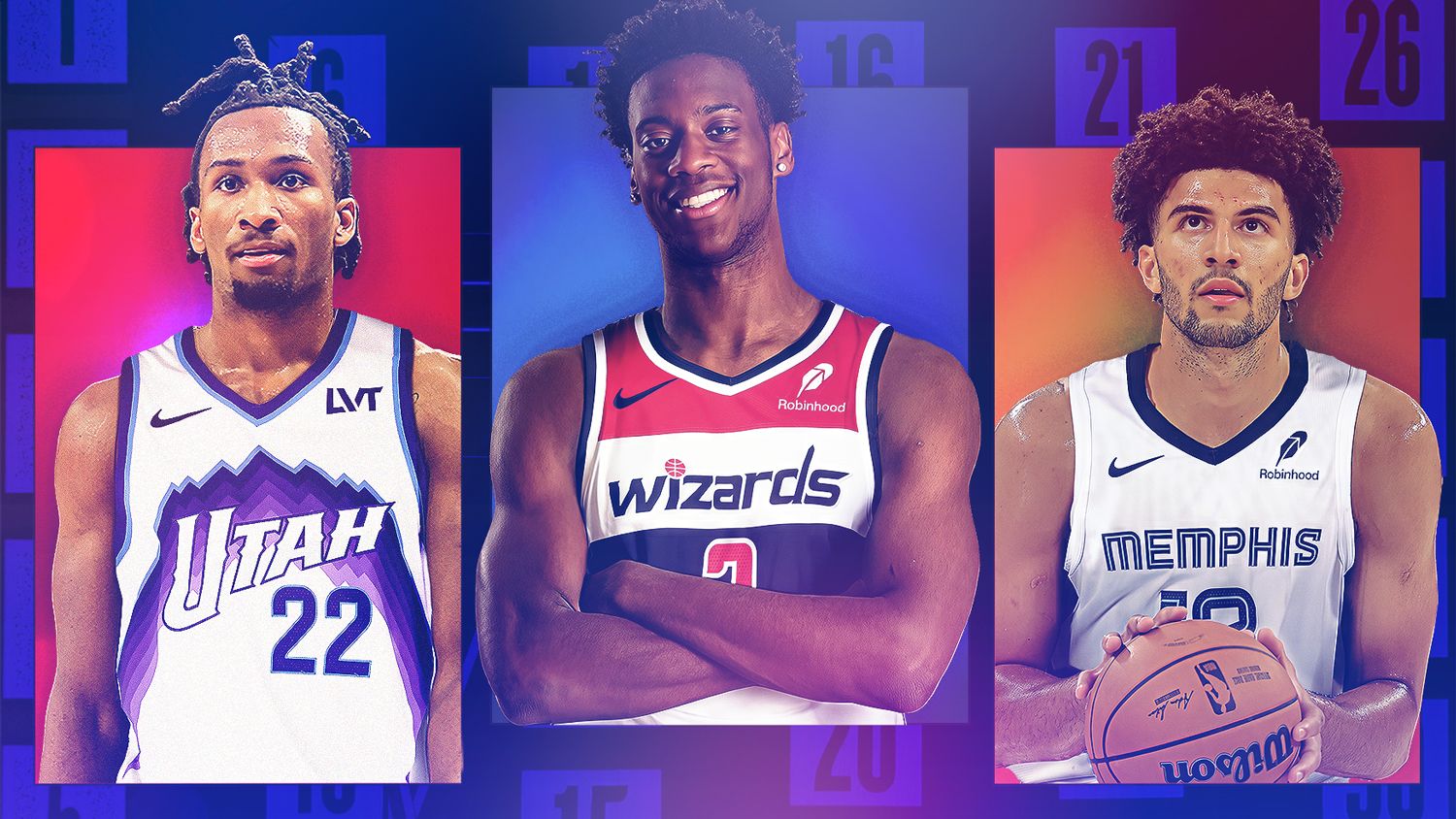
ESPN analyst Ben Golliver has published grades for all 30 NBA teams following the 2026 NBA Draft, which was characterised by significant star power at the top and minimal early trade activity, with none of the top 12 picks changing hands. The Washington Wizards selected AJ Dybantsa first overall, while the Atlanta Hawks, Utah Jazz, Memphis Grizzlies, and Chicago Bulls secured potential franchise players in the lottery. Notable selections included Kingston Flemings to the Hawks, Chris Cenac Jr. to the Celtics, and Cameron Boozer to the Grizzlies. The Portland Trail Blazers were the only team without a pick, having traded their first-round selection five years prior. The grades assess each team’s strategy, addressing specific needs such as backcourt depth for the Pistons and frontcourt support for the Thunder and Spurs.
The Washington Wizards opted for the consensus choice with Dybantsa, a decision Golliver notes will be debated for years. The BYU forward is viewed as a dynamic wing scorer capable of transforming an offense that ranked 29th last season. Golliver suggests that Dybantsa’s development is the organisation’s top priority, raising questions about whether the Wizards might trade Anthony Davis to ensure the rookie has sufficient room to explore his offensive game.
In Memphis, the Grizzlies pivoted away from previous off-court issues by selecting the polished Cameron Boozer third overall. Golliver predicts Boozer could have the best career of any player in his class, citing his skills as a scorer, orchestrator, and rebounder. The selection plugs a hole created by the departure of Jaren Jackson Jr., and the Grizzlies’ executive Zach Kleiman also utilised traded picks to secure Isaiah Stewart and Karim Lopez, adding experience and depth to a young frontcourt.
The Atlanta Hawks managed to land Kingston Flemings, a freshman point guard from Houston, despite a run of backcourt players going off the board before their first pick. Golliver highlights that Atlanta has quietly assembled a guard corps with complementary skill sets, allowing Flemings to develop on his own timetable. The Hawks also selected Zuby Ejiofor, who brings length and defensive toughness to a frontcourt that needed more depth.
Other notable strategic moves included the Boston Celtics acquiring Chris Cenac Jr., a versatile big man who fills a glaring positional need for a thin frontcourt. The Detroit Pistons selected Ebuka Okorie to address obvious needs for secondary playmakers, while the Oklahoma City Thunder used first-round picks on Aday Mara and Bennett Stirtz to address frontcourt size and inconsistent outside shooting. The Spurs also overhauled their frontcourt around Victor Wembanyama, selecting defensive game-wrecker Jayden Quaintance and back-up centre Tarris Reed Jr.
The Portland Trail Blazers were the only NBA team who did not make a pick in this year's draft, a situation Golliver describes as failing to show up for school. Meanwhile, the Utah Jazz landed Lauri Markkanen’s potential successor in the form of guard Donovan Peterson, who Golliver argues is more than a consolation prize if they had missed out on Dybantsa. Peterson’s arrival could shape a new identity for the Jazz, focusing on pure firepower alongside existing talent.
The draft grades also highlight the Chicago Bulls’ selection of Caleb Wilson, described as an inspired addition given the team’s recent mediocrity. Golliver notes that Wilson’s athleticism and swagger could shake the Windy City out of its extended slumber, particularly when paired with Matas Buzelis. However, questions remain about the team’s ability to generate space given the shooting profiles of other new acquisitions.
Overall, Golliver’s analysis suggests that while the top of the draft featured immense star power, the middle and late rounds were defined by teams addressing specific structural needs rather than seeking shocking revelations. The lack of early trade activity allowed franchises to build based on their existing roster compositions, with significant focus placed on backcourt depth and frontcourt support across the league.