Goldman Sachs forecasts surprise October Fed rate hike
The Wall Street bank has abruptly revised its outlook, predicting a 25 basis point increase at the Federal Reserve’s next meeting as inflation pressures from the Iran War persist.
Goldman Sachs has shifted its monetary policy forecast, now expecting the Federal Reserve to raise interest rates by a quarter-percentage point at its next meeting on 27–28 October. This abrupt pivot follows the central bank’s unanimous decision on 16 September to lift the benchmark Federal Funds Rate to a range of 3.75% to 4.0%, marking the first increase since January 2023.
The move was driven by persistent price pressures fuelled by rising energy costs linked to the Iran War and related geopolitical shocks. Goldman Sachs Chief Economist David Mericle noted that the September meeting proved more hawkish than anticipated, with 16 of 18 participating policymakers projecting at least one further increase before the end of the year.
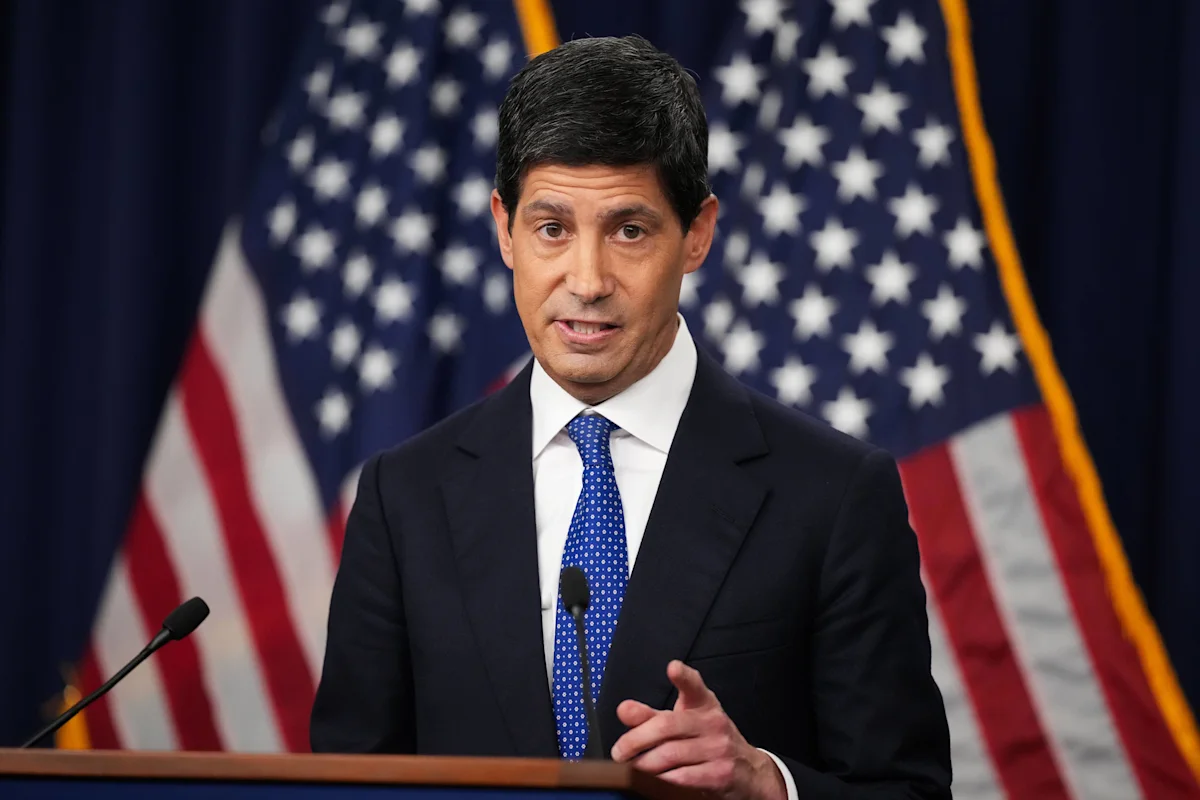
Mericle highlighted that the median neutral rate dot rose from 3.06% to 3.25%, while the median funds rate projection remained elevated through 2029. He also pointed to Fed Chairman Kevin Warsh, who described the recent hike as having "removed a dose of accommodation" during the FOMC press conference. Warsh, who served as a Fed governor from 2006 to 2011, reaffirmed a commitment to taming inflation at a speech in Jackson Hole last month.
Goldman maintains its terminal rate forecast at 3.25% to 3.5% by 2027. To achieve this, the bank has added to its expected rate cuts in September and December 2027, including a third 25 basis point cut in March 2028. While a December hike is not in the bank’s base case, Mericle stated that additional hikes remain possible if inflation does not ease.
Market instruments currently reflect the uncertainty surrounding the next move. The CME Group FedWatch Tool prices in a 53.1% probability of an October hike and an 87.5% likelihood of at least one additional increase by 9 December. The September rate hike has already sent ripples through the financial system, applying immediate pressure to short-term borrowing such as variable-rate credit cards and student loans.
Indirectly, the increase impacts fixed-rate mortgage rates, which rely on Treasury yields, as well as corporate debt and capital investment. The Fed’s decision comes despite President Donald Trump’s demand for an interest rate of 1% or lower and his previous threats to cut off trade with countries running surpluses with the United States if rates were not cut.