Golden Week travel congestion peaks on Japanese expressways as holiday enters second phase
Live updates from NHK confirm traffic jams are already forming on the highway network as the major annual holiday period reaches its most intense stage.
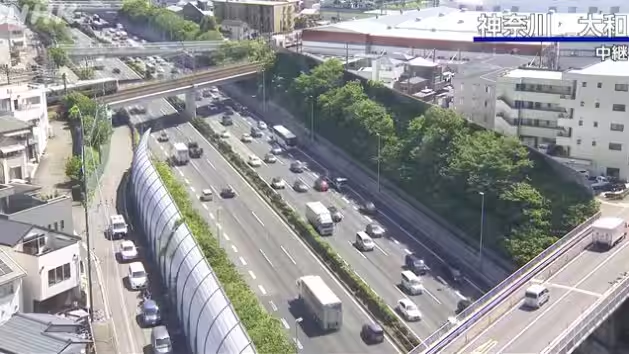
The second half of Japan's Golden Week holiday commenced on 2 May 2026, marking the beginning of the peak travel period for the nation's major annual break. Following the conclusion of the first phase on 1 May, millions of commuters have resumed their journeys to rural hometowns and leisure destinations, placing immense pressure on the country's transport infrastructure.
Transport authorities anticipate that congestion will reach its maximum intensity during this window. As of 10:48 on 2 May, live reporting confirms that traffic jams have already occurred on Japanese expressways, with the situation described as an active peak in the holiday's traffic flow. The surge in movement is driven by the typical travel patterns associated with this period, which involve high volumes of people travelling to visit family or tourist sites.
The severity of the congestion is currently fluid, subject to immediate updates rather than static facts. While the specific duration and extent of the delays on the highway network are not yet fully quantified, the presence of significant queues indicates that the transport system is under strain. Officials note that the situation may evolve rapidly throughout the day as the volume of travellers continues to shift.
In addition to road congestion, other transport sectors face challenges during this period. Live updates indicate that strong winds are expected in the Tohoku region on 2 May, creating potential for train delays and service suspensions on the Tohoku Shinkansen. This weather-related disruption adds to the complexity of the travel landscape, though the specific impact on the highway congestion remains a separate variable in the current reports.
For those seeking real-time information on the developing situation, live traffic reporting is available via the NHK ONE News and Disaster Prevention apps. These digital platforms provide the primary source for ongoing updates regarding the holiday travel conditions across the country. The information remains dynamic, reflecting the fluid nature of the congestion as it develops across the expressway network.