Gold retreats from $4,100 as investors weigh US labour data against geopolitical risk
Stronger-than-expected jobless claims and steady European Central Bank rates increase the opportunity cost of holding the precious metal, capping near-term upside despite Middle East tensions.
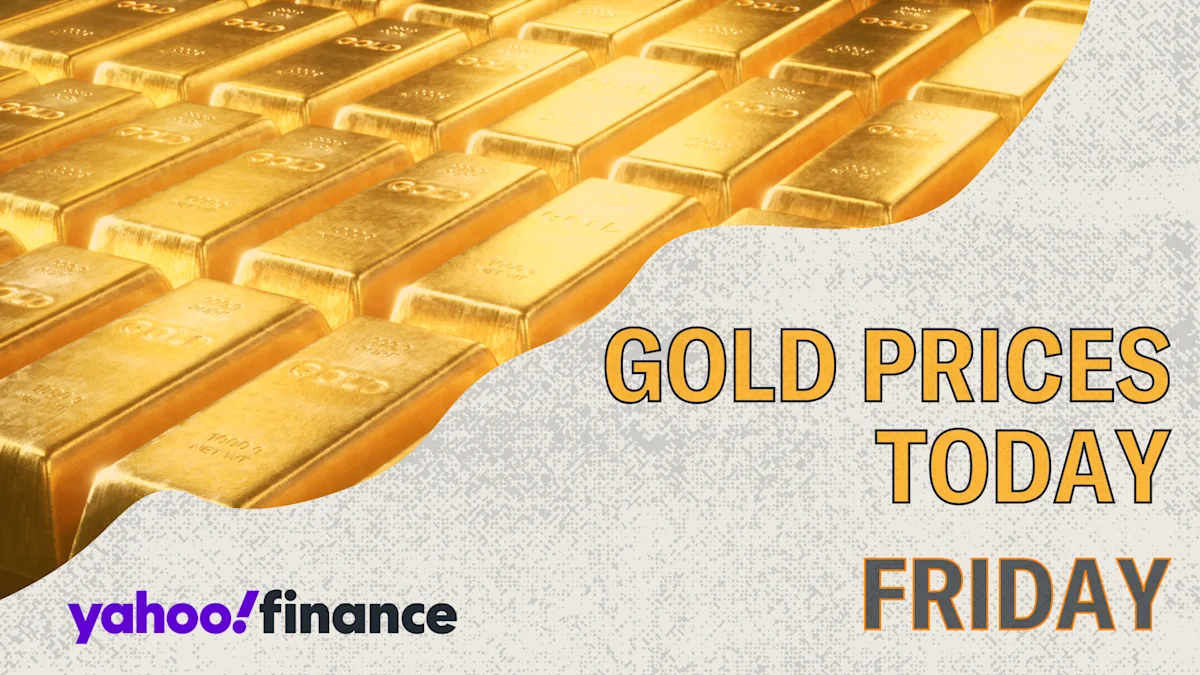
Gold August futures opened at $4,053.40 per troy ounce on Friday, July 24, 2026, marking a marginal 0.1% increase from the previous close. The price traded higher to $4,057 by 8:07 a.m. ET, following a brief surge above the $4,100 level on Thursday. The pullback from that intraday high suggests market participants are reassessing the metal’s trajectory as they digest fresh economic indicators and geopolitical developments.
Investors are closely monitoring US economic data to gauge interest-rate risks, with particular attention on the labour market. Weekly jobless claims data reported 187,000 new claims, significantly lower than the median forecast of 212,000. This stronger-than-expected labour market data raises the possibility that the US Federal Reserve may maintain higher interest rates later in the year if inflation remains above its 2% long-term target. Higher rates typically increase the opportunity cost of holding non-yielding assets like gold, which exerts downward pressure on prices.
On the policy front, the European Central Bank held interest rates steady on Thursday. Market consensus anticipates that the US Federal Reserve will adopt a similar stance when its policy-making committee meets next week. The expectation of a pause in rate hikes provides a degree of stability, yet the underlying strength of the US economy continues to complicate the outlook for precious metals.
Geopolitical uncertainty remains a key counterweight to interest-rate concerns. Investors are assessing the impact of the Iran war and potential global trade disruptions stemming from the Middle East conflict. While such tensions often drive safe-haven demand, the current price action indicates that macroeconomic fundamentals, particularly the potential for sustained higher rates, are currently dominating market sentiment.
The long-term performance of gold continues to draw significant attention from institutional and retail investors alike. As of January 29, 2026, gold had recorded a one-year gain of 95.6%. Despite this substantial appreciation, expert opinion on optimal portfolio allocation remains divided, ranging from zero percent to 20%. Debates centre on whether the metal serves as a prudent hedge against inflation and geopolitical unrest or if it represents an inefficient use of capital compared to growth-oriented assets.