GM and Ford Accelerate Strategic Retreat from Chinese Auto Market
General Motors and Ford Motor Company announce divergent but aligned pullbacks from China, citing tariff pressures, declining brand relevance, and the rise of domestic rivals BYD and Geely.
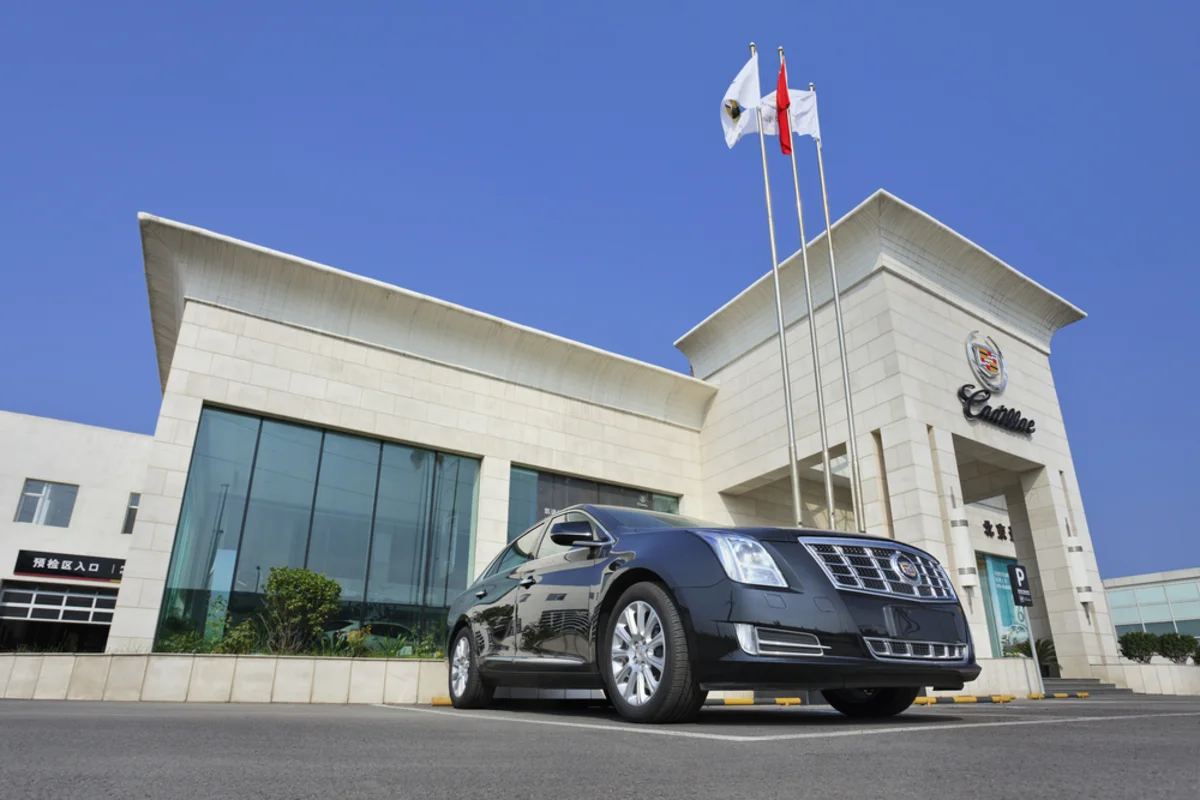
General Motors Co and Ford Motor Company have announced coordinated strategic reductions in their Chinese automotive operations, underscoring a significant contraction of American manufacturing and retail presence in the region. The moves reflect a broader decline in foreign automakers' market share in China, which has fallen from 53 per cent to approximately 33 per cent over the past two years as domestic rivals such as BYD and Geely gain dominance.
General Motors plans to cease Chevrolet sales in China after 21 years, following a 98.8 per cent decline in sales from a peak of over 767,000 units in 2014 to fewer than 9,000 units last year. The company is shifting its focus to its Buick and Cadillac brands, with Buick finding success through its new Electra electric vehicle series. GM has extended its SAIC joint venture until 2047 and plans to produce at least 30 new energy vehicles domestically by 2030, while reshoring Envision production.
Ford Motor Company announced on August 13 that it will stop producing Lincoln vehicles in China for the US market by 2030. The decision targets the Lincoln Nautilus, the brand's best-selling model manufactured at the Changan Ford joint venture in Hangzhou since 2024. Ford CEO Jim Farley cited the Trump administration's trade policies and a 52.5 per cent tariff on China-built vehicles as primary drivers, alongside brand identity considerations.
US sales of the Lincoln Nautilus are down 5.7 per cent year-over-year through July, compared to a 12.6 per cent decline for the Lincoln brand overall. The tariff burden has made the economics of building in China for the US increasingly difficult to justify. Both automakers are arriving at similar conclusions from different angles: the profitability of maintaining Chinese retail channels and cross-border manufacturing is diminishing.
Institutional holdings in General Motors fell from 81 funds in the fourth quarter to 77 funds in the first quarter, while Ford saw hedge fund ownership drop from 52 to 50 funds. Short interest remains low at 2.29 per cent for GM and 2.20 per cent for Ford. China's domestic auto market has recorded nine consecutive months of falling sales, despite a boom in exports by Chinese automakers, further squeezing American manufacturers in both domestic and international arenas.