Gloria Steinem’s Style Made Feminist Politics Impossible to Ignore
From tinted aviator glasses to activist pins, Steinem’s wardrobe became part of a public language about women’s rights, agency and power.
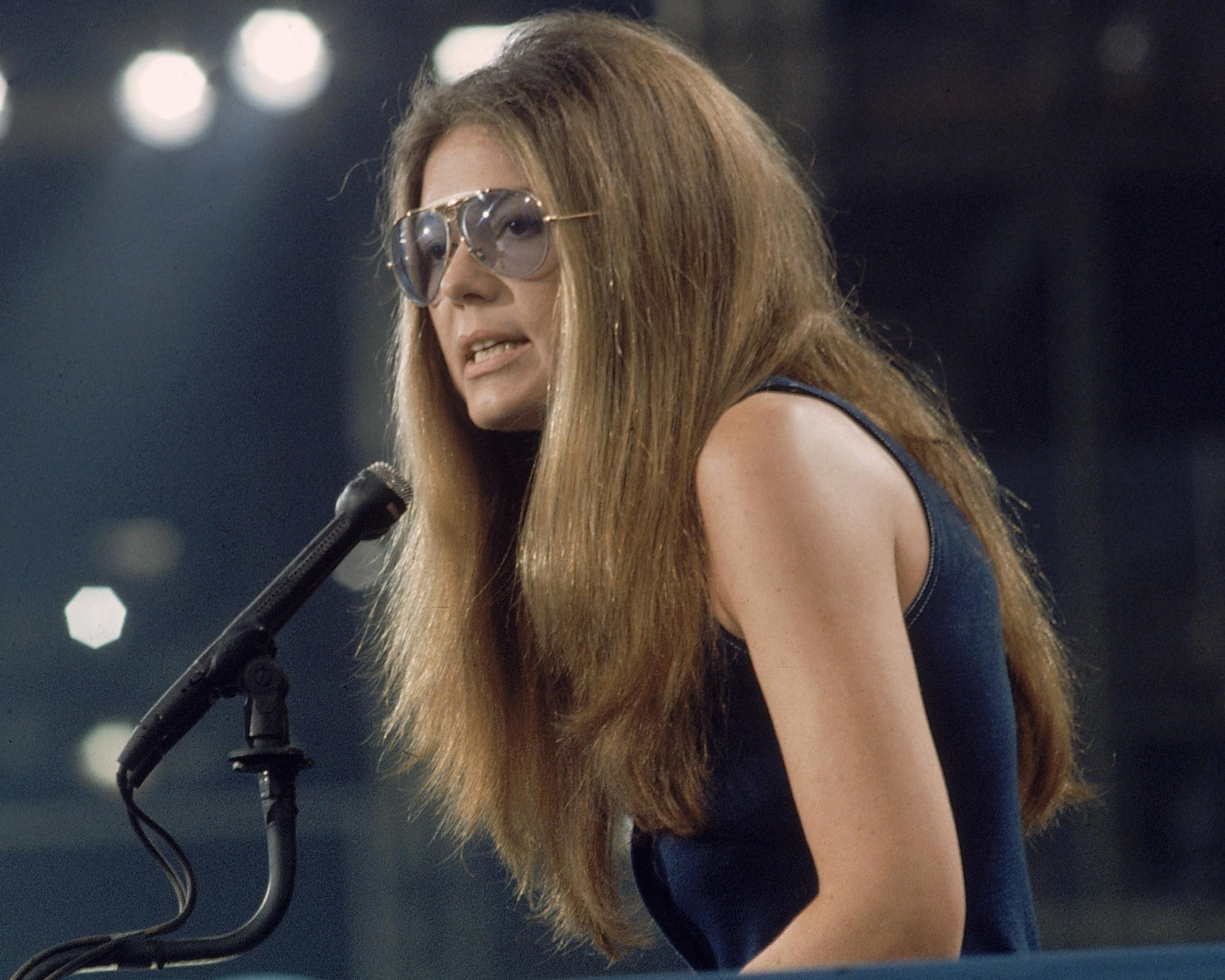
Gloria Steinem’s fashion was never merely a matter of appearance. As The Guardian Fashion argues, her tinted aviator glasses, centre-parted hair, bell-bottoms, polo necks and low-slung belts became recognisable parts of a feminist public image.
The glasses became especially associated with Steinem after her 1971 Newsweek cover appearance beside the headline “The New Woman”. Bought in the late 1960s because standard women’s frames felt too small, the oversized men’s aviators also gave her a way to manage the anxiety of public speaking.
Steinem’s image emerged during the women’s liberation movement, when mainstream media often stereotyped feminists as unattractive or radical. Her bohemian-tinged wardrobe was both of its time and relatable: practical enough for the work of organising Ms magazine, which she co-founded in 1971, while challenging the idea that serious women should disappear into the background.
The Guardian’s analysis connects that visibility to Steinem’s political messaging. Once she had attracted attention at a rally or on television, her appearance could give way to uncompromising arguments about reproductive rights and systemic sexism. Clothing, in this reading, was a form of agency — part of a woman’s right to choose how she presented herself.
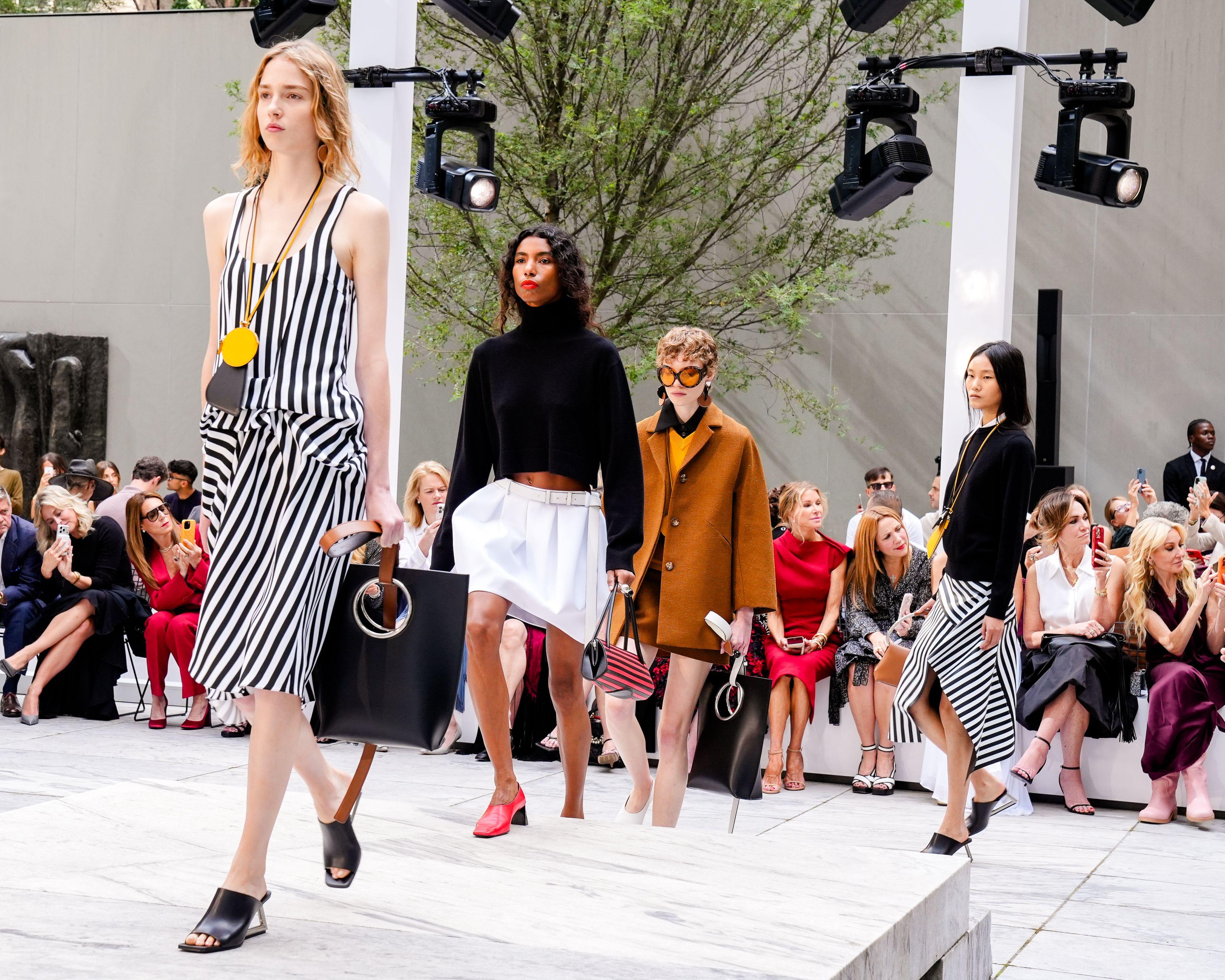
Her influence extended beyond politics. Designers including Roland Mouret and Michael Kors placed her image on mood boards, while Steinem occasionally wore Kors pieces. Her fringed jackets and bohemian blouses also retain a recognisable relationship to contemporary fashion.
Earlier this year, Steinem auctioned 40 personal belongings, including belts, jackets and activist-pinned pieces, to raise money for her foundation. Her death at 92 was announced on Thursday, leaving behind a wardrobe that The Guardian presents as inseparable from the public history of her feminism.