Global Sumud Flotilla Resumes Voyage to Gaza Following Violent Interception in International Waters
At least 30 participants were injured during the naval engagement, with two activists detained and charged with terrorism before undertaking hunger strikes; organisers state the mission continues to pressure for a ceasefire despite allegations of torture and sexual assault.
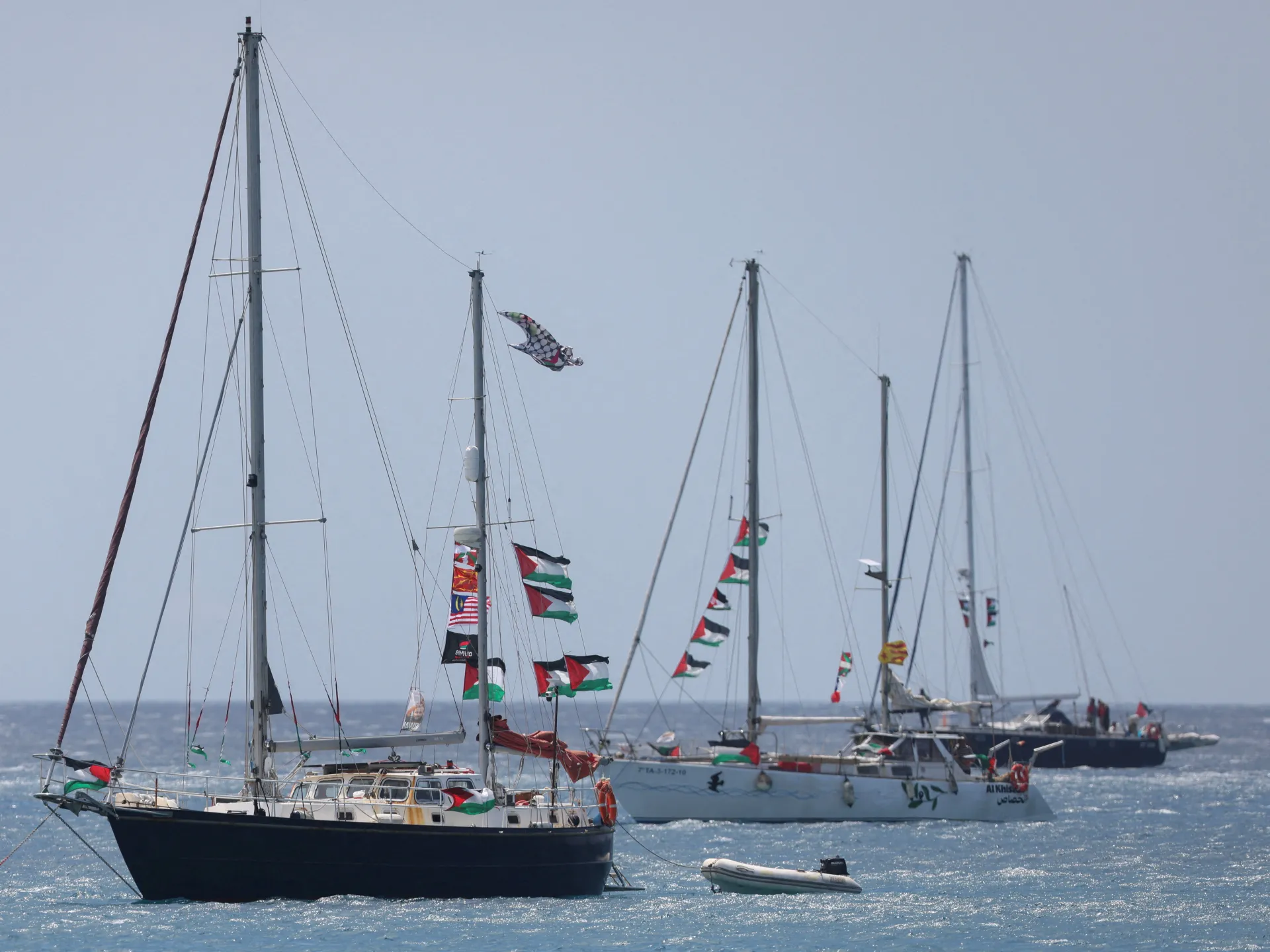
The Global Sumud Flotilla has resumed its journey towards Gaza following a violent interception by the Israeli navy in international waters. The remaining vessels are currently en route to the Turkish port of Marmaris to regroup, with organisers stating the mission will continue in defiance of Israel to maintain pressure for a ceasefire and adequate humanitarian aid. This decision comes despite the recent violence and significant legal challenges faced by the fleet.
The interception, which occurred approximately 600 nautical miles from the Israeli coast, resulted in injuries to at least 30 participants. Two activists, Saif Abu Keshek and Thiago Ávila, were forcibly taken to Israel where they faced terrorism charges and allegations of torture while in detention. Both men undertook hunger strikes in protest until their release was announced, while at least four other participants have come forward to report incidents of sexual assault.
Organisers argue that the mission serves as a litmus test for Western complicity in the conflict and challenges Israeli extraterritorial claims. They cite previous flotilla successes in influencing international debate, noting that a similar mission in October contributed to mounting pressure that led to a ceasefire announcement, although they note the subsequent failure to deliver adequate aid.
The incident has sparked intense debate regarding the violation of international maritime laws and the role of the Greek coastguard. Questions remain over whether the coastguard should have responded to distress signals issued within its search and rescue zone or barred the Israeli naval vessel from leaving the Greek port of Ierapetra, Crete, given reports of abuse against the activists.
Furthermore, the flotilla is now navigating a contested maritime space involving the unresolved Greek-Turkish dispute over Aegean jurisdiction. This region features overlapping claims to airspace and territorial waters that have remained unresolved since the 1970s, complicating the legal status of the interception zone relative to search-and-rescue responsibilities.
As the fleet sails eastwards, the event has raised broader geopolitical questions about sovereignty conventions and the freedom of the seas. Organisers maintain that the mission is far from performative, aiming to delegitimise tactics they describe as genocidal and warmongering while forcing a re-evaluation of complicity from states to citizens.