Confirmed Hantavirus Cases Rise to Ten as MV Hondius Evacuation Concludes
French and American nationals test positive following the final phase of evacuations from the vessel anchored off Tenerife.
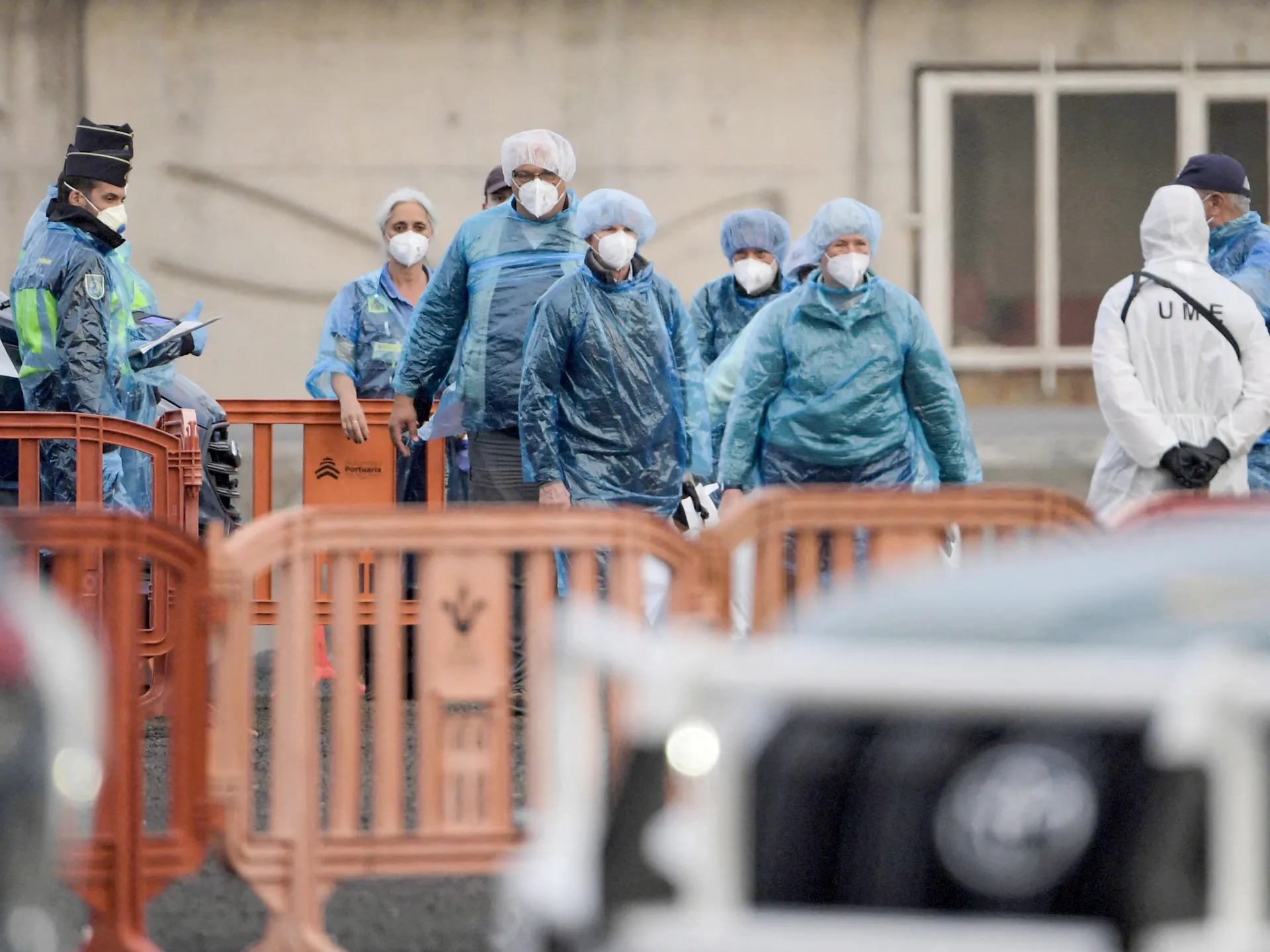
Two additional passengers, one French and one American, have tested positive for hantavirus following their evacuation from the MV Hondius cruise ship in the Canary Islands. These new cases bring the total number of confirmed infections to ten, marking a significant development in the ongoing investigation into the deadly outbreak aboard the vessel.
The French Health Minister, Stéphanie Rist, confirmed the diagnosis for the French passenger on Monday, noting that her condition is deteriorating. In contrast, the US Department of Health and Human Services reported that the American passenger tested mildly positive. Both individuals were travelling in biocontainment units on their respective repatriation flights, a precautionary measure taken out of an abundance of caution.
The repatriation operation is now concluding with flights scheduled to Australia, the Netherlands, and Spain. A flight to Australia is set to evacuate six passengers from Tenerife, while another flight to the Netherlands will transport eighteen passengers, including those from other nations that did not organise their own repatriation efforts.
Global health officials have confirmed two deaths and one probable death resulting from the outbreak. The World Health Organization has recommended a strict 42-day quarantine for all passengers to monitor for symptoms, which can appear between one and eight weeks after exposure.
While the fatality rate for the Andes strain of hantavirus can reach 40 to 50 percent, particularly among the elderly, international experts emphasise that the risk to the general public remains extremely low. Robin May, chief scientific officer at the United Kingdom Health Security Agency, stated that the virus is far less contagious than COVID-19.
Investigations into the source of the outbreak are ongoing, with authorities continuing to monitor passengers who disembarked before the crisis was identified. There are currently no vaccines or specific treatments available for the disease, which is typically spread by rodents but has demonstrated rare human-to-human transmission in this instance.