Global Review: Ukraine Strikes Signal Shift as Venezuela Navigates Post-Maduro Transition
From the largest drone attack on Moscow since 2022 to cultural clashes at Cannes, global headlines reflect a rapidly shifting geopolitical landscape.
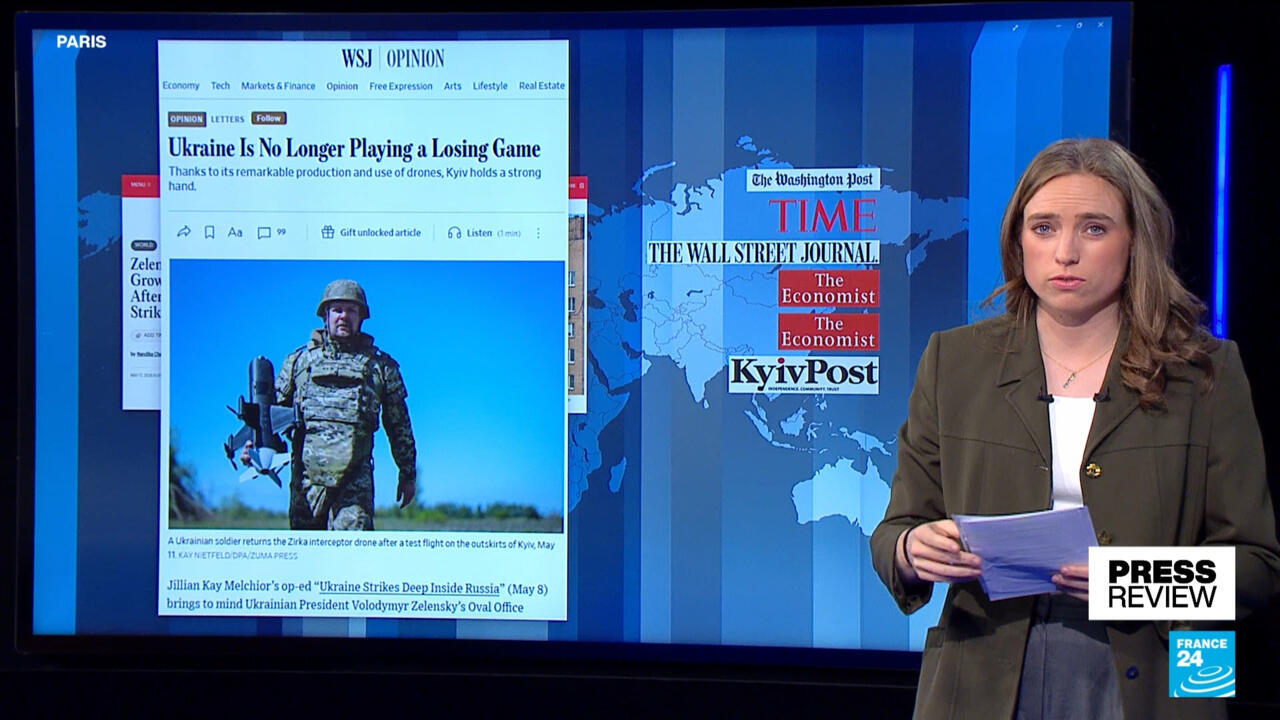
International media outlets are converging on the view that Ukraine’s recent military operations may represent a strategic inflection point in the conflict with Russia. France 24’s press review for 18 May 2026 highlights widespread coverage of the weekend’s drone strikes on Moscow, described by The Washington Post as the largest and most deadly attack on the capital since 2022.
The operational scope of these strikes appears to have expanded significantly. Ukrainian President Volodymyr Zelensky stated that long-range capabilities now permit forces to target locations up to 500 kilometres from the border. Time Magazine suggests this capability shift is altering the strategic reality on the ground, a sentiment echoed by an opinion piece in The Wall Street Journal which argued that Kyiv is no longer playing a losing game.
Military analysts are noting tangible shifts in territorial control. The Economist reported that Russian forces have suffered their first net loss of territory since October 2023. This development has led some observers, including the Kyiv Post, to suggest that Russian President Vladimir Putin may be facing increasing pressure to consider peace negotiations.
In South America, the political landscape following the ousting of Nicolas Maduro is drawing intense scrutiny. The Guardian reported that Venezuelans have largely lost their fear in the post-Maduro era, yet this optimism is tempered by confusion and concern regarding the continued influence of the former dictator’s allies within the Trump administration.
Many locals remain sceptical about the motivations of their northern neighbour, with concerns persisting that the United States prioritises access to Venezuela’s resources over the welfare of its people. This complex dynamic underscores the challenges of establishing a stable political order in the region’s post-authoritarian transition.
Cultural and corporate tensions are also dominating headlines in France. At the Cannes Film Festival, Canal+ has threatened to blacklist more than 600 actors, writers, and artists who opposed right-wing billionaire Vincent Bolloré’s takeover of the French film industry. The move has sparked a fierce debate about media independence and corporate power.
Libération characterised the situation as a fascist takeover of the collective imagination, while Politico highlighted a broader crusade by far-right politicians against French cinema. These developments reflect deeper anxieties about the consolidation of media influence and its impact on cultural expression.
Finally, shifting social behaviours are capturing attention in the United Kingdom. The Times reported on emerging drinking trends among Generation Z, noting a move towards new consumption habits among the demographic. This cultural observation provides a contrast to the heavy geopolitical and corporate dramas dominating the rest of the news cycle.
The convergence of these stories in France 24’s review illustrates a week defined by military escalation, political uncertainty, and cultural resistance. From the front lines of Eastern Europe to the boardrooms of Paris, the global narrative is being reshaped by decisive actions and deep-seated institutional tensions.